


French Style Ceiling Lamp
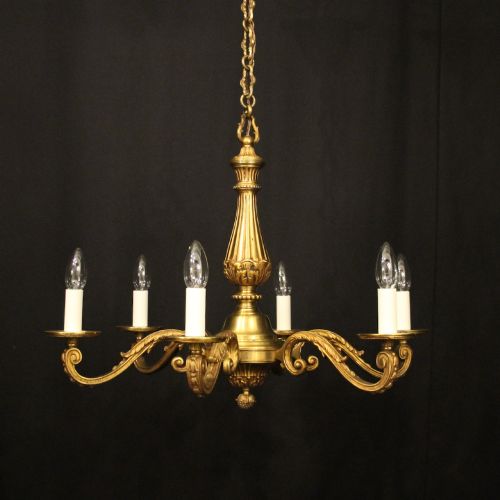
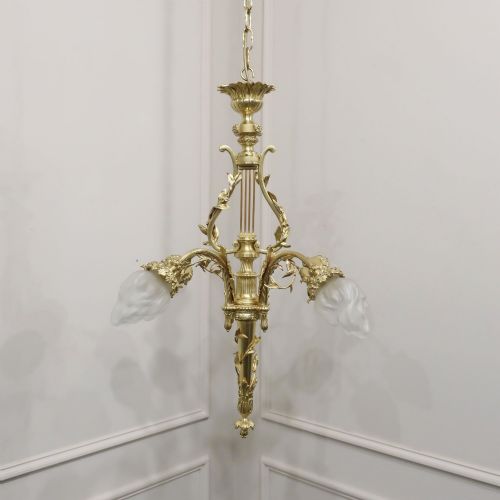
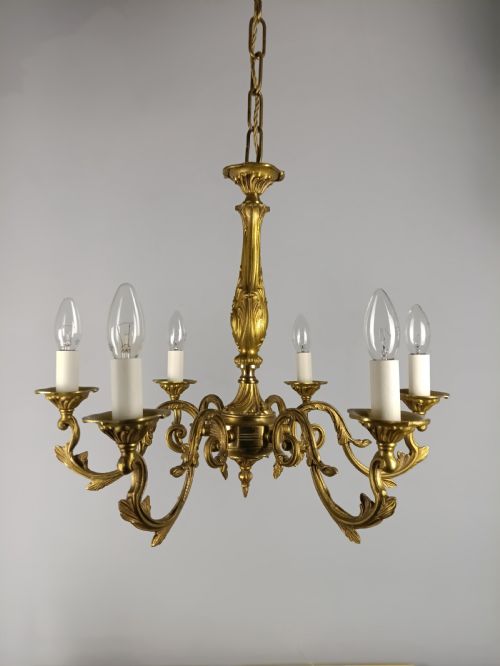
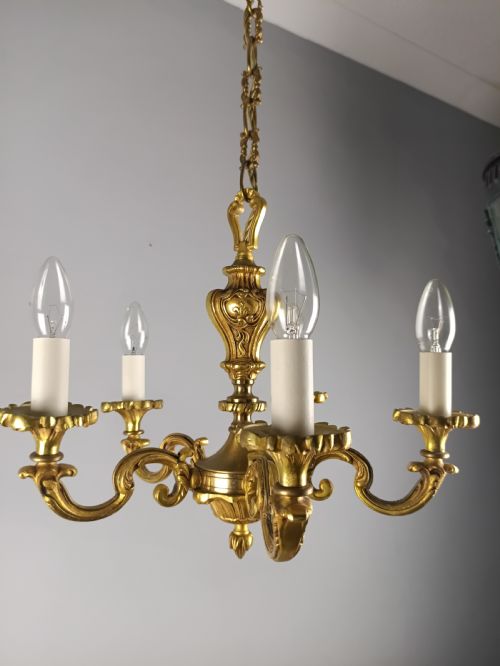
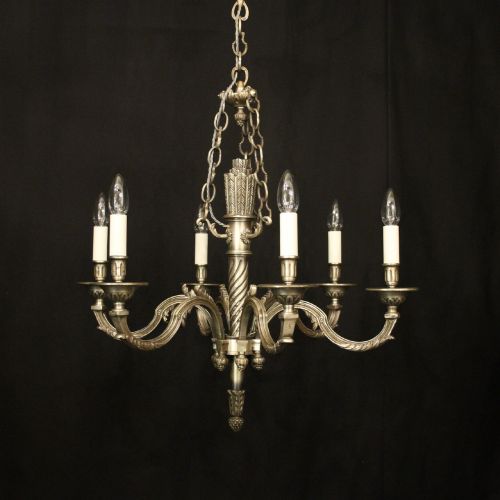
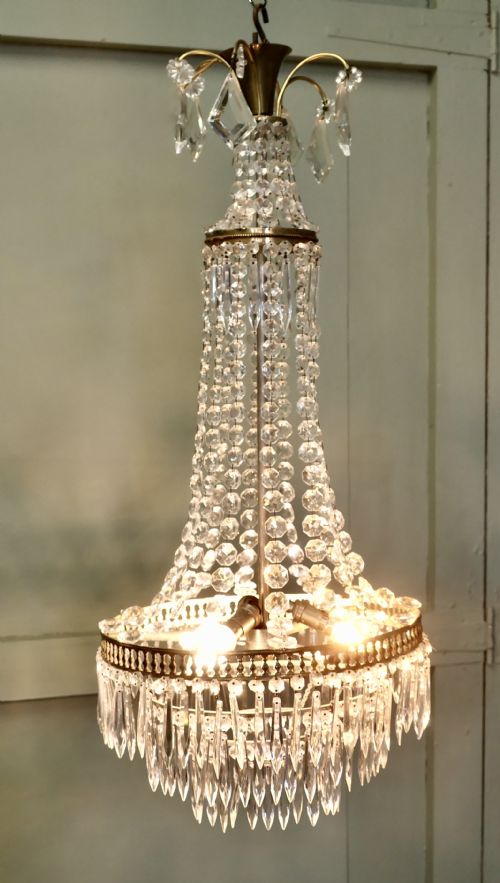
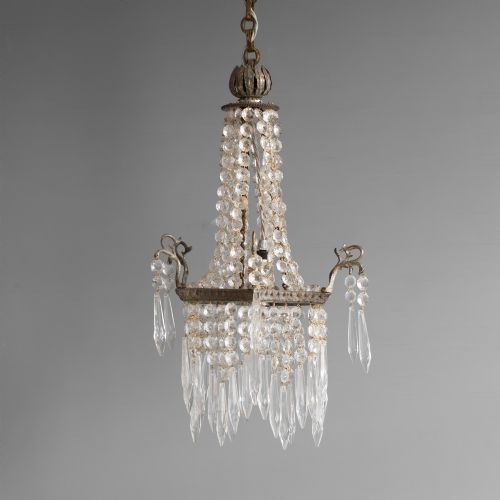
A french style ceiling lamp brings ornamental bronze work and glittering crystal into a room.

French Style Ceiling Lamp
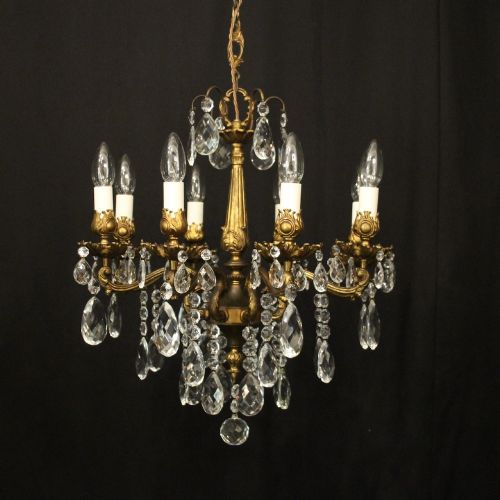
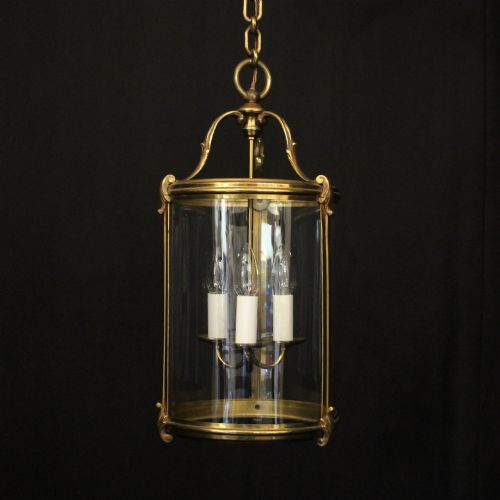
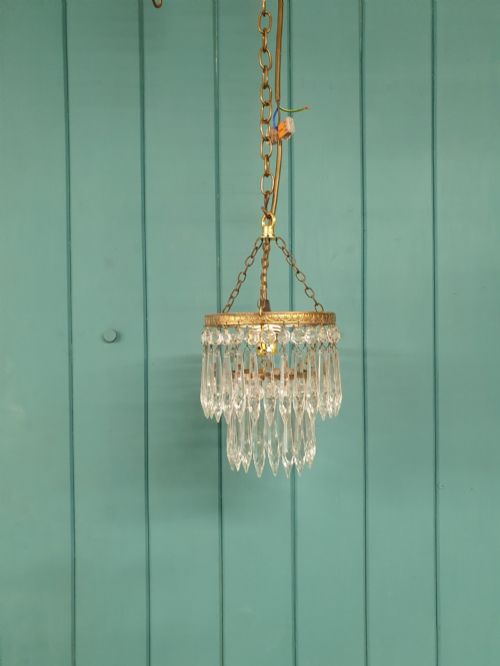
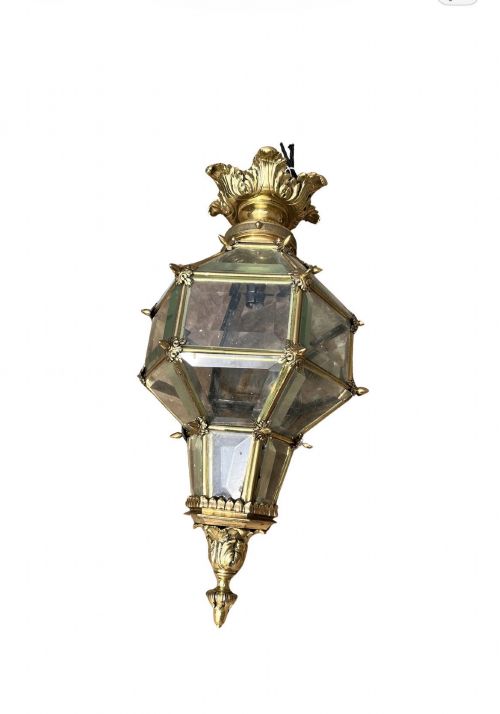
A french style ceiling lamp covers various lighting forms designed to hang from above, including multi-light chandeliers, hall lanterns and pendant lights. Buyers looking for this phrase want decorative overhead illumination that reflects historical continental aesthetics from the nineteenth and early twentieth centuries.
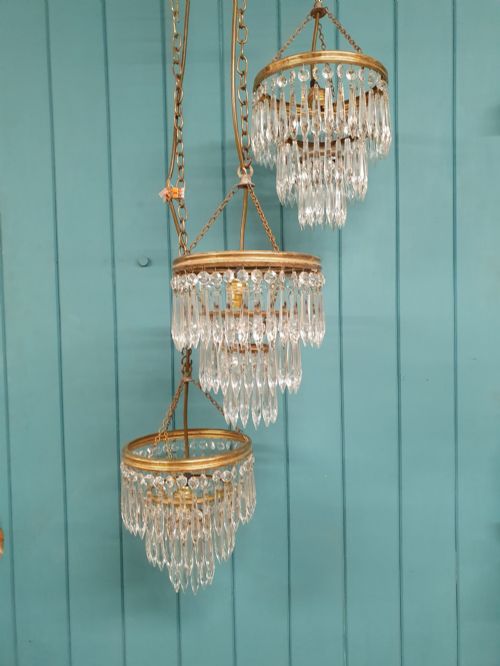
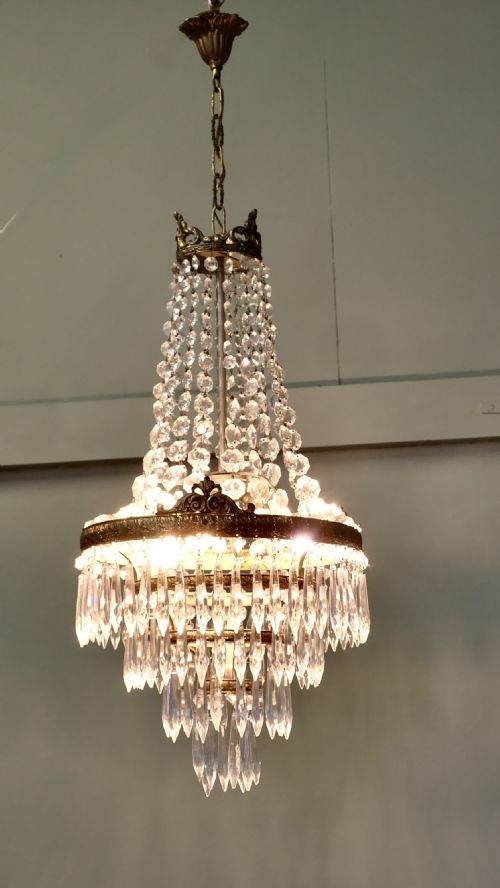
The selections here span periods from the Victorian era and Edwardian years through to the 1930s. Common structural formats include tent and waterfall configurations, basket chandeliers, convex hall lanterns and spike designs.
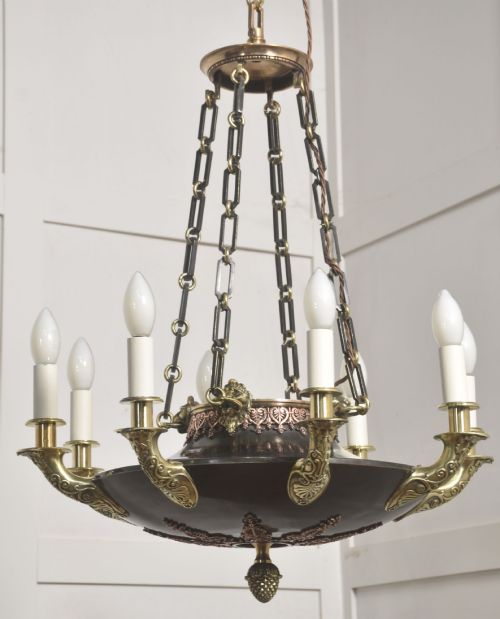
Originating styles encompass French Chateau, French Empire, French Neoclassical, French Rococo and Empire Revival. The most frequent versions met on this page are multi-light chandeliers and lanterns finished in gilded metal.
How they were made
Construction relies heavily on metals such as brass, copper, gilt bronze, gilded brass and giltwood to form the structural framework and arms. These metal components are often cast or wrought into ornate decorative shapes before receiving gilding or surface finishing.
Glass and crystal elements form the secondary material base, incorporating cut glass, opaline glass and crystal drops or beads. Artisans assembled these transparent components into tents, waterfalls, beads and pendants to refract light across the room.
Materials recorded across current items include brass, cut glass, gilt bronze and opaline glass.
What varies in quality
Quality separates objects by the precision of the metal casting and the clarity of the crystal elements. Finer pieces demonstrate crisp detail in bronze or brass mounts and heavier, well-cut crystal drops that catch the light cleanly.
Construction methods also distinguish standard examples from superior items, particularly in the integration of frames and the security of wire or pin connections holding glass elements. Heavier gauge brass and properly weighted bronze provide structural stability lacking in lighter alternatives.
Perry And Co
The French Style Ceiling Lamp Glossary
- Chandelier
- A branched hanging light fixture designed to hold multiple lamps or candles. These fixtures typically suspend from the ceiling by a chain or rod.
- Gilt bronze
- Bronze metal covered with a thin layer of gold or gold-coloured leaf. This technique provides the rich metallic sheen seen on many continental light fixtures.
- Cut glass
- Glass shaped and patterned by abrasive wheel cutting to create faceted surfaces. It enhances the sparkle of overhead lighting by multiplying reflection points.
- Tent and waterfall
- A chandelier configuration where strings of crystal beads form an upper tent shape above a lower cascading tier. This arrangement distributes glass elements across a wide volume.
- Toleware
- Painted or enamelled sheet metal items produced in various colours. This material introduces polychrome decoration to specific antique lighting designs.
French Style Ceiling Lamp: Frequently Asked Questions
What rooms suit a french style ceiling lamp?
Hanging lights with crystal drops and gilded bronze frame work well in entrance halls, dining rooms and drawing rooms with sufficient ceiling height. Their reflective surfaces brighten darker spaces by bouncing available light around the room.
Smaller spike chandeliers or hall lanterns fit neatly into corridors or cloakrooms where space is more limited. Matching the scale of the room to the drop length maintains visual balance.
How do I clean a crystal chandelier?
Maintenance involves wiping individual crystal drops and glass pieces with a dilute solution of distilled water and mild isopropyl alcohol. A soft lint-free cloth prevents scratching the antique glass surfaces during cleaning.
Removing the drops is rarely necessary if you work carefully around the metal frame. Dusting the fixture regularly prevents grime build-up on the gilt brass and bronze elements.
How do I date a brass and glass light?
Dating relies on examining the construction methods of the metal frame, the fixings used on the crystal drops and the wiring channels. Edwardian and 1930s pieces often exhibit specific casting signatures and wiring configurations characteristic of their decade.
Stylistic cues such as Empire Revival or French Neoclassical motifs offer broader historical context. Comparing the forms against dated examples helps narrow down the production era.