




French Style Cabinet on Stand
A French style cabinet on stand brings continental elegance into a room, offering elevated display and storage space through refined joinery and decorative mounts.
French Style Cabinet on Stand
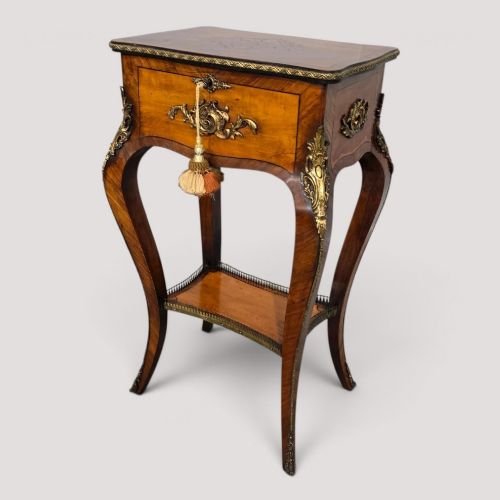
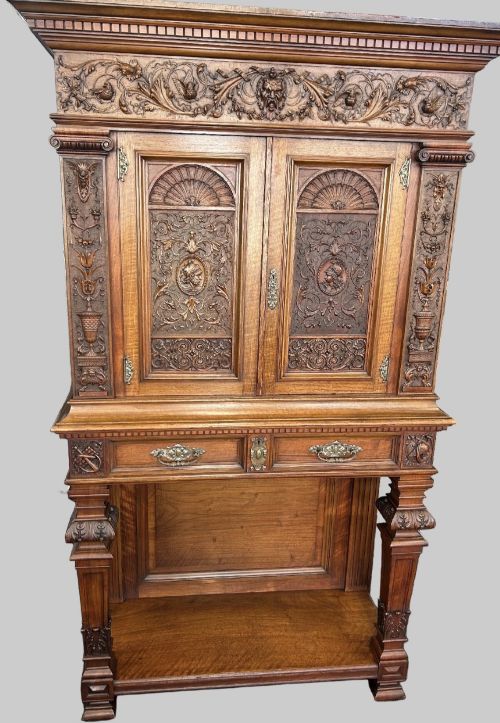
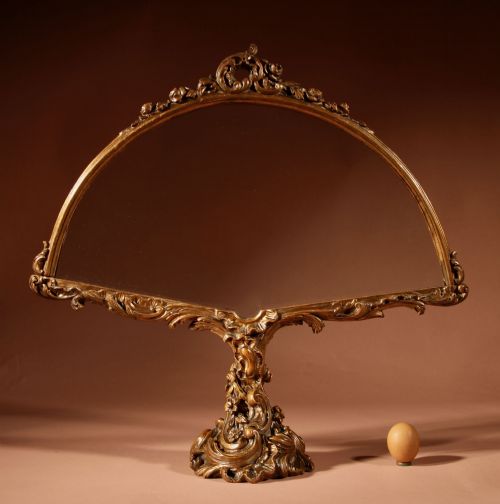
A French style cabinet on stand unites a raised storage compartment or display vitrine with a supporting frame, appearing across the nineteenth and early twentieth centuries. These pieces draw on historical French aesthetics, including Rococo Revival and Louis XV designs, adapted by makers working in periods ranging from the Victorian era to the 1920s.
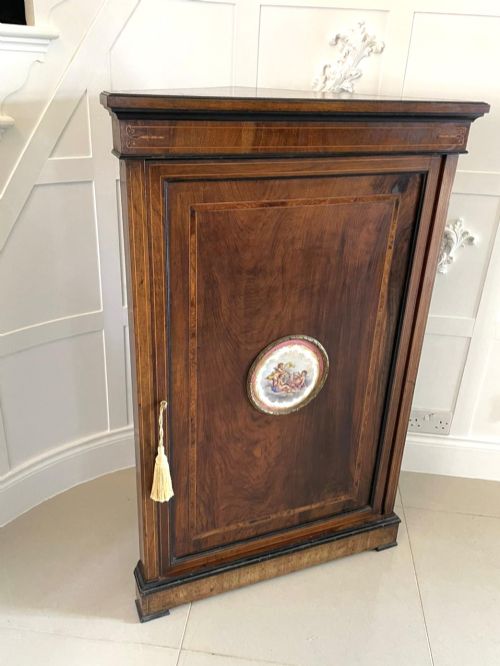
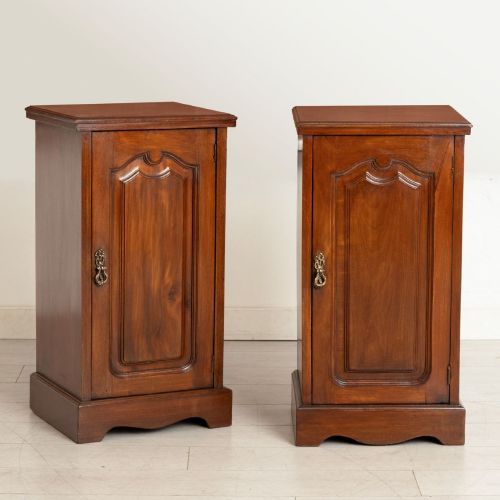
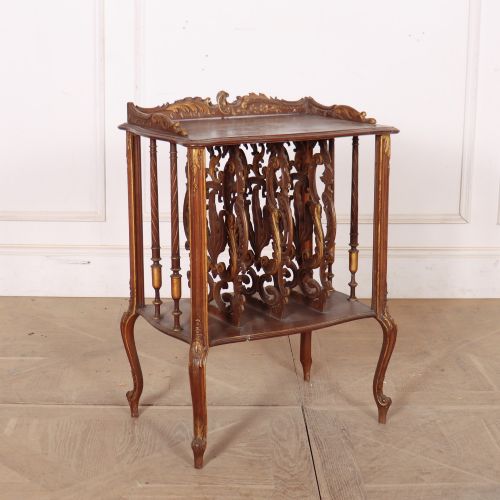
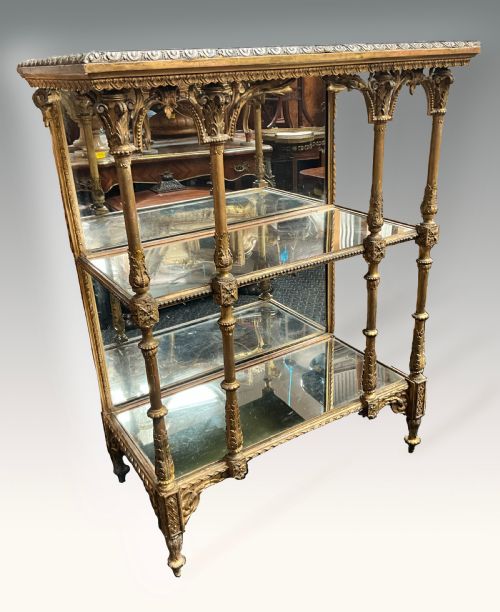
The form encompasses bedside cabinets, display cabinets, and etageres that elevate contents above floor level. Buyers encounter variations such as glazed vitrines, open shelves, and cupboards mounted on slender legs or sturdy stands, reflecting diverse domestic functions.
Origins span continental workshops and British makers influenced by French cabinet-making traditions. The selection combines formal display furniture with practical bedside and occasional pieces.
How they were made
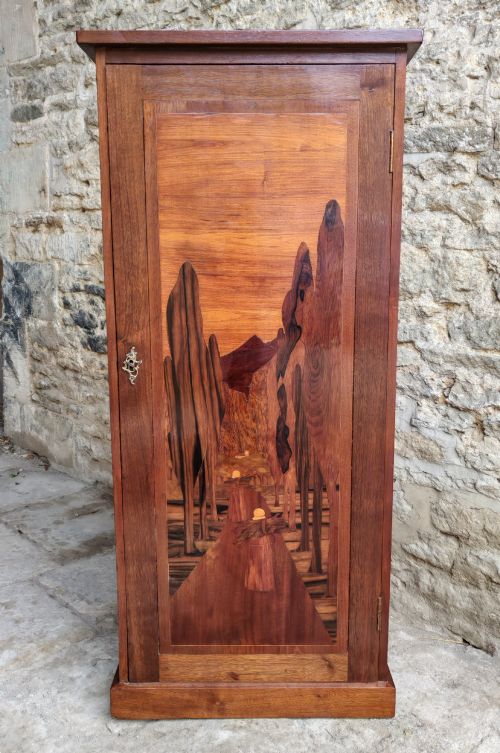
Construction relies on quality timber carcasses of mahogany, walnut, kingwood, and amboyna, often enhanced by intricate marquetry and fine wood veneers. Frames incorporate structural supports of oak and giltwood alongside applied brass and ormolu mounts that accent corners and legs.
Surface detailing involves painted finishes, parcel-gilding, and gesso work, paired with inset marble tops and glazed panels. Cabinetmakers utilised traditional joinery techniques to secure elevated stands to upper compartments, ensuring stability for heavy glass and stone elements.
French Style Cabinet on Stand Retail Price Guide 2026
Typical asking prices for french style cabinet on stand among the pieces listed under this phrase on Sellingantiques today, from the lower quarter to the upper quarter. They describe what is for sale here now, not the wider market.
Listings feature items from the eighteenth, nineteenth, and early twentieth centuries, incorporating mahogany, walnut, marble, and ormolu.
What varies in quality
The standard of a French style cabinet on stand rests on the crispness of its carved ornamentation and the precision of its marquetry inlays. Superior examples display hand-chiselled ormolu mounts and seamless veneer matching across curved and flat surfaces alike.
Structural integrity differentiates standard workshop output from exceptional pieces, particularly in the joinery connecting the cabinet body to its stand. Finer execution shows in balanced proportions, unwarped timber panels, and high-grade marble or glass inserts.
Gabriel Viardot·Zweiner
The French Style Cabinet on Stand Glossary
- Ormolu
- Gilded bronze mounts cast and chased with decorative motifs, frequently applied to the corners and legs of French furniture. These metallic details enhance the visual richness of the timber surface.
- Etagere
- A set of open shelves designed for displaying small decorative objects or books. This tiered furniture form became popular during the nineteenth century for boudoirs and salons.
- Marquetry
- The art of applying small pieces of veneer to a structure to form decorative patterns and pictures. Craftsmen use various coloured woods to achieve tonal depth.
- Vitrine
- A glass-fronted cabinet intended for the display of curiosities and fine porcelain. The glazed panels protect contents while offering visibility from multiple angles.
- Vernis Martin
- A type of simulated Japanese lacquer developed in France, known for its translucent and polished finish. It appears on elite cabinets and decorative screens.
French Style Cabinet on Stand: Frequently Asked Questions
What is a cabinet on stand?
A cabinet on stand is a distinct furniture form consisting of an enclosed storage section or display box elevated upon a separate supporting frame or legs. This design lifts the primary compartment to a more accessible height and lightens the visual weight of the piece within a room.
Historically, these units served to showcase precious objects or store valuable linens and documents. The elevated format protects contents from damp floors and allows for decorative treatment beneath the main body.
How were these cabinets used?
These pieces functioned across various domestic spaces, from grand drawing rooms displaying porcelain to private boudoirs holding jewellery and letters. Bedside versions kept night-time essentials close at hand while adding decorative presence to sleeping quarters.
In reception rooms, glazed vitrines and etageres held collections of small curiosities and books. Their decorative surfaces and elevated frames allowed them to act as focal points without dominating the floor area.
Where should I place one?
A cabinet on stand suits placement against a focal wall in a living room, hallway, or bedroom where its decorative mounts and timber grain can be appreciated. Their elevated profile works well in spaces needing vertical interest without heavy floor-standing bulk.
Avoid positioning these pieces in direct sunlight or near heat sources to protect sensitive wood veneers, gilt surfaces, and antique glass. Stable room temperatures preserve the structural integrity of the joinery connecting the cabinet to its stand.
How do I identify periods?
Dating relies on stylistic markers, timber choices, and construction methods that shift from the ornate carvings of the mid-nineteenth century to the lighter lines of the Edwardian era and 1920s. Victorian pieces often feature heavy marquetry and rich mahogany, while later items might display Japonisme influences or simpler painted finishes.
Examining the interior secondary woods and the style of the cast brass or ormolu mounts provides further clues to the date of manufacture. Makers working in the French taste during the late nineteenth century frequently adapted Louis XV and Rococo revival motifs.