
French Style Brass Pendant
These French style brass pendant fixtures bring warmth and decorative lighting to a room through traditional metalwork and glass.
French Style Brass Pendant
A french style brass pendant search brings up hanging light fixtures, chandeliers, and lanterns originating from or styled after French designs. These pieces often feature brass, gilt bronze, and crystal elements dating from the nineteenth century through the early twentieth century.
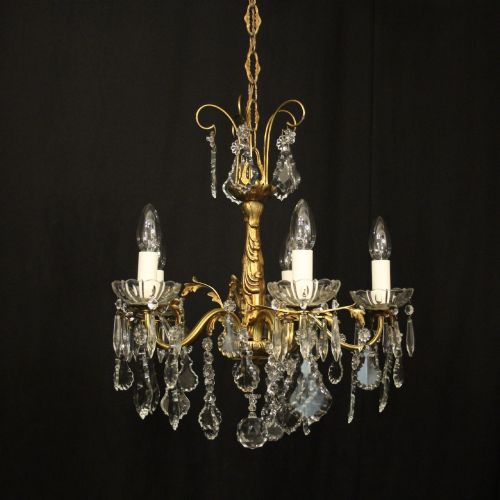
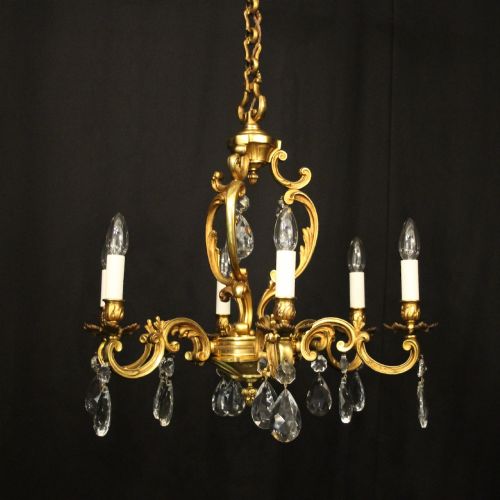
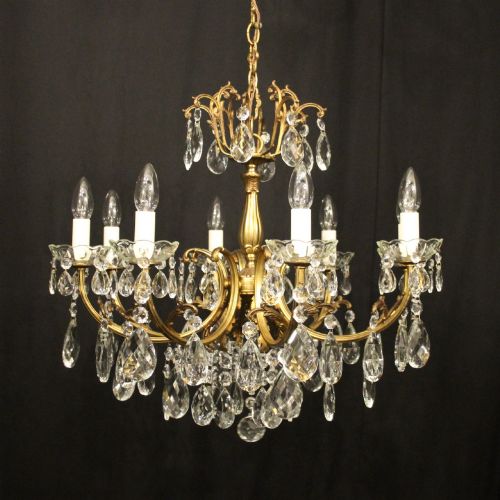
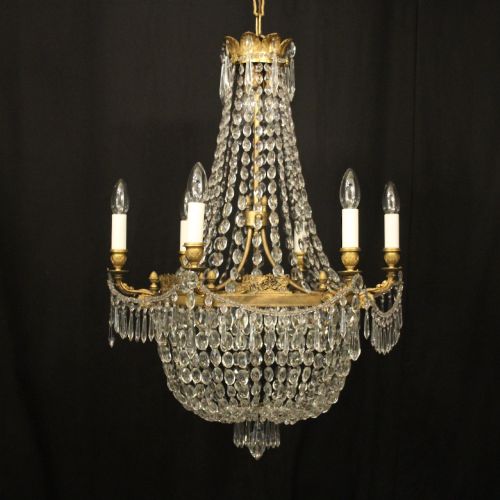
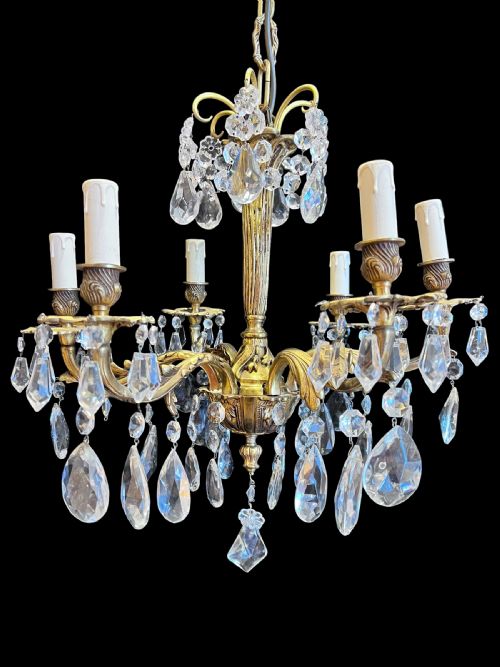
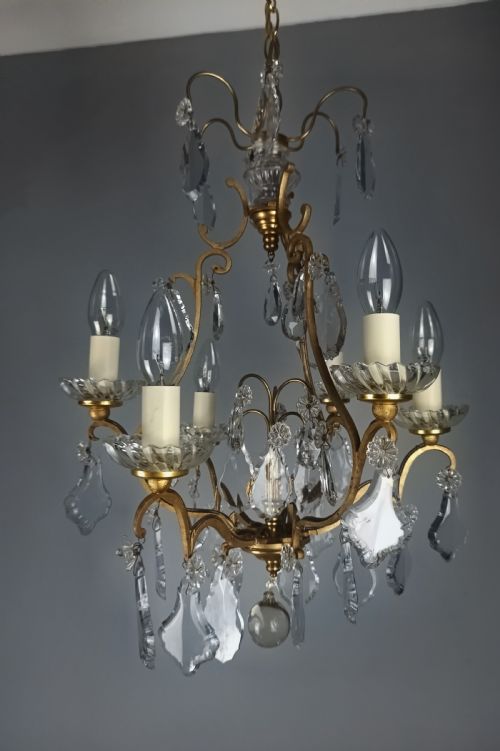
The selection on this page predominantly includes multi-light chandeliers and hall lanterns built in styles such as Empire, Rococo, and Neoclassical. Buyers encounter works utilising polished or gilded metal frames combined with cut glass and crystal lustres.
Materials and construction
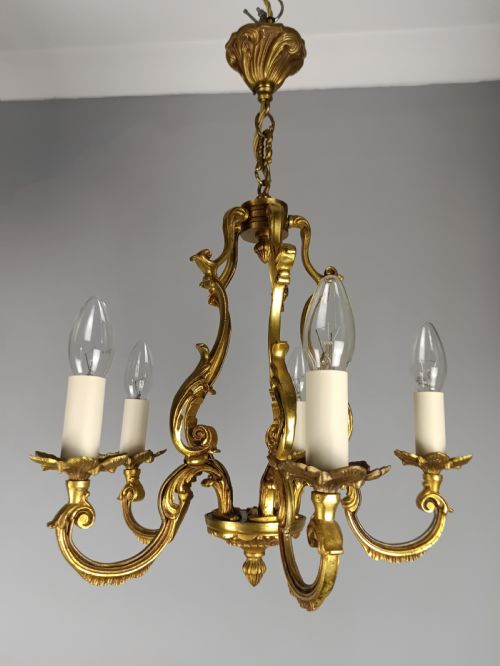
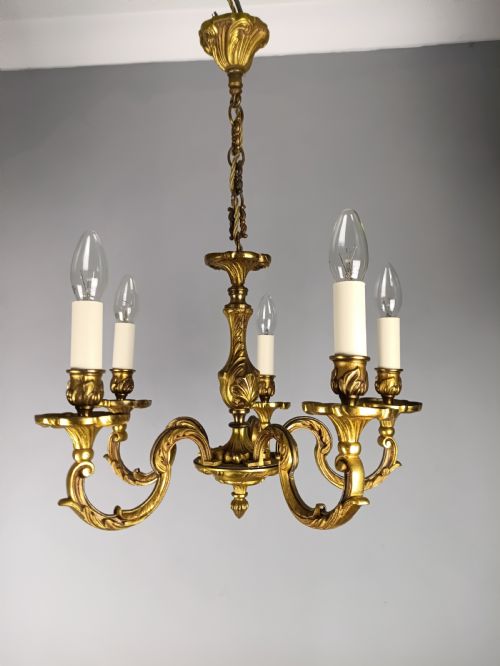
Workshops utilised cast brass, bronze, and gilt metal to form the structural frames and arms of these hanging fixtures. Metalworkers applied gilding or silvering to the bronze and brass surfaces to achieve reflective decorative finishes.
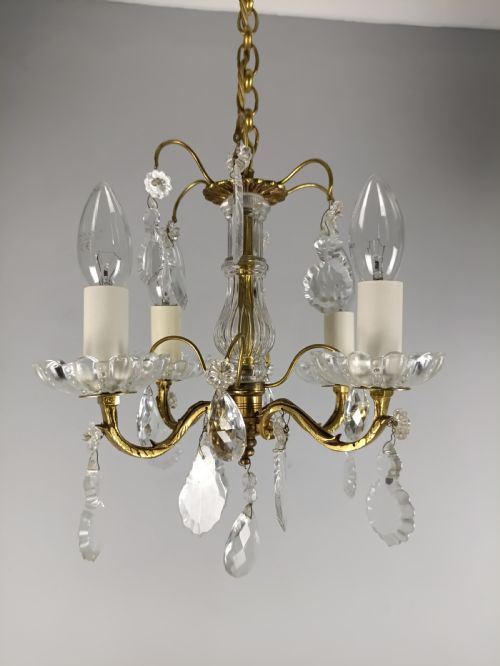
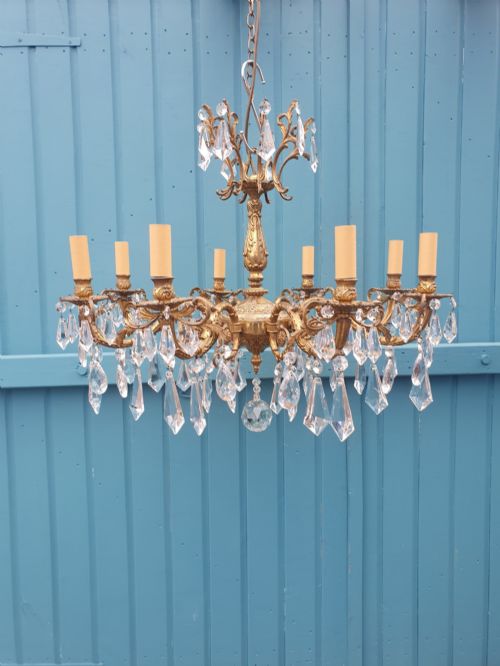
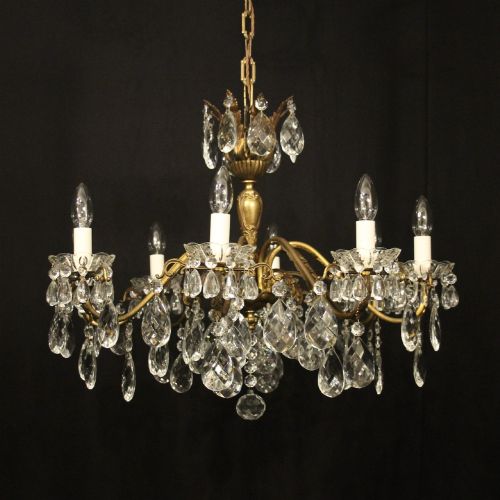
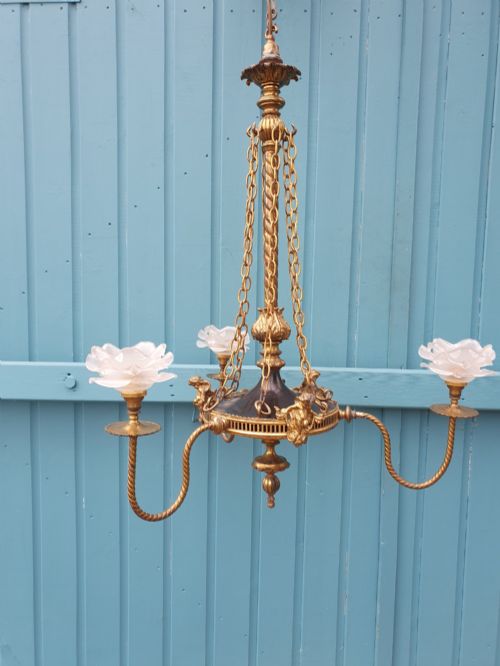
Casting and chasing techniques allowed artisans to shape intricate foliage, cherubs, and classical motifs into the metal. Cut glass and crystal drops, beads, and pendeloques were wired onto the frames by hand to refract the light.
Listings span the nineteenth century, Edwardian era, and nineteen-twenties, using brass, gilt bronze, crystal, and alabaster.
Evaluating craftsmanship
The refinement of the cast metal ornamentation distinguishes superior examples from simpler production. Crispness in the chasing of leaves, scrolls, and figures indicates skilled handwork by the founding workshop.
The integration and quality of the crystal elements also set pieces apart, with hand-cut glass prisms providing sharper light refraction than pressed alternatives. Heavier gauge brass and solid bronze frames offer structural integrity lacking in lighter constructions.
G.E.C
The French Style Brass Pendant Glossary
- Gilt Bronze
- Bronze metal coated with a thin layer of gold or gold-coloured alloy. This finish provides a warm, reflective surface that resists tarnishing.
- Crystal Lustre
- A cut glass pendant or drop hung from a chandelier to refract light. These elements catch and multiply the illumination from the bulbs or candles.
- Tent and Waterfall
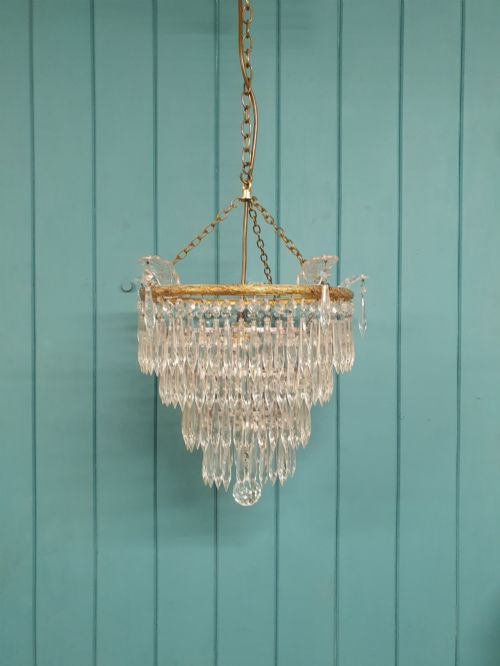
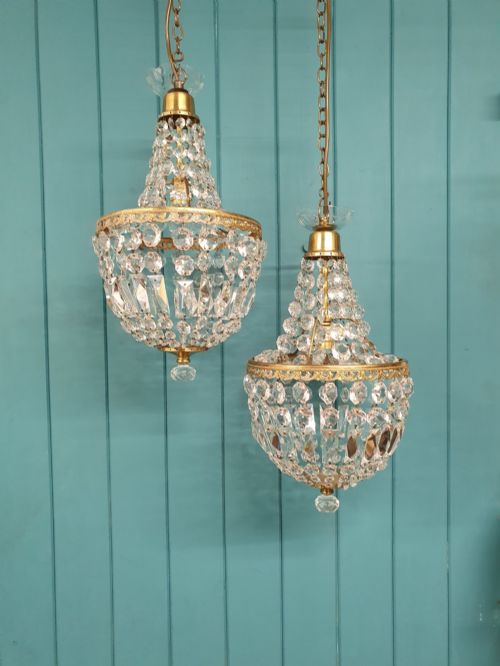
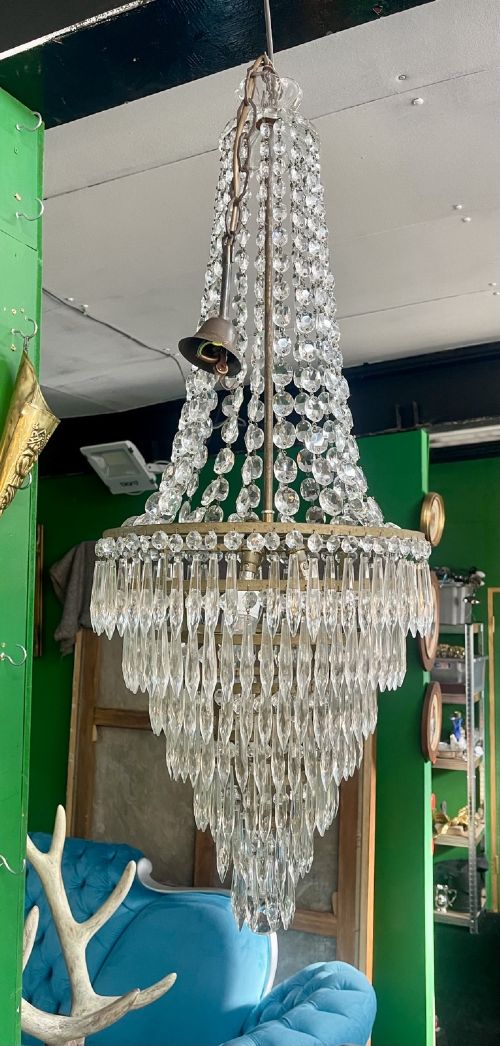
- A chandelier arrangement where strings of beads form an upper cone above a cascading lower tier of crystal drops. This style creates a dense curtain of sparkling glass.
- Hall Lantern
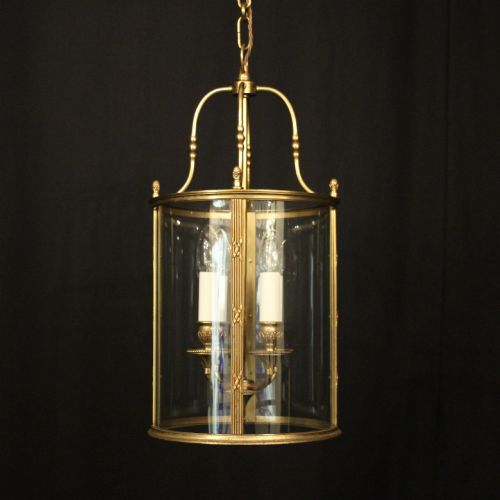
- An enclosed ceiling-hung light fixture designed for entryways and corridors. They typically feature glazed glass panels set within a brass or bronze framework.
- Neoclassical
- A design style drawing on classical Greek and Roman motifs such as urns, lyres, and symmetrical garlands. It emphasises restraint, proportion, and architectural clarity.
French Style Brass Pendant: Frequently Asked Questions
What rooms suit a brass lantern?
Hanging lanterns work well in entrance halls, corridors, and high-ceilinged landings where vertical space allows them to hang freely. Their enclosed design protects the interior light source from drafts.
Smaller single-light lanterns fit narrower vestibules, while multi-light versions illuminate larger stairwells and reception areas.
How do I date an antique chandelier?
Dating relies on examining the casting techniques, wiring methods, and stylistic details of the frame. Nineteenth-century examples often display hand-chased ornamentation and heavy bronze or brass construction.
Twentieth-century pieces from the nineteen-twenties and thirties frequently incorporate cleaner geometric lines or lighter stamped metal components alongside traditional revival styles.
What is a waterfall chandelier?
A waterfall chandelier uses dense tiers of cascading glass crystals to obscure the central frame and scatter light widely. The design creates a shimmering visual effect reminiscent of flowing water.
These fixtures often pair a tent-like upper section of beads with a lower basin or ring supporting numerous hanging prisms.
How are gilt bronze and brass different?
Brass is an alloy of copper and zinc with a naturally bright golden appearance, whereas bronze is an alloy of copper and tin. Gilt bronze involves applying a gold finish to a bronze casting to enhance its lustre.
Both materials were widely utilised in French lighting, often developing patinas over decades of exposure to air and light.