



French Style Bergere
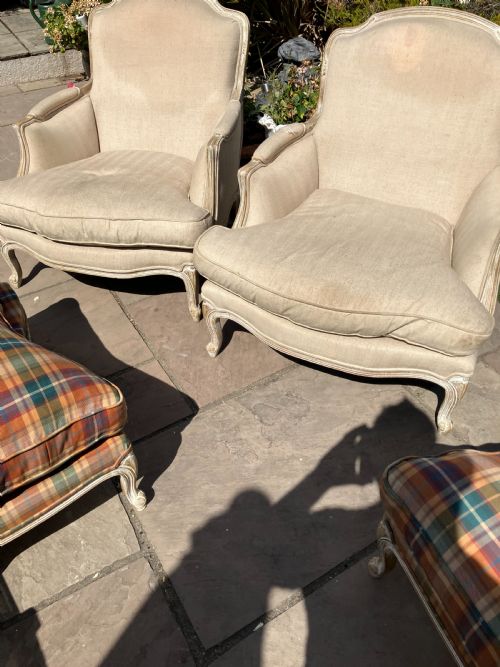
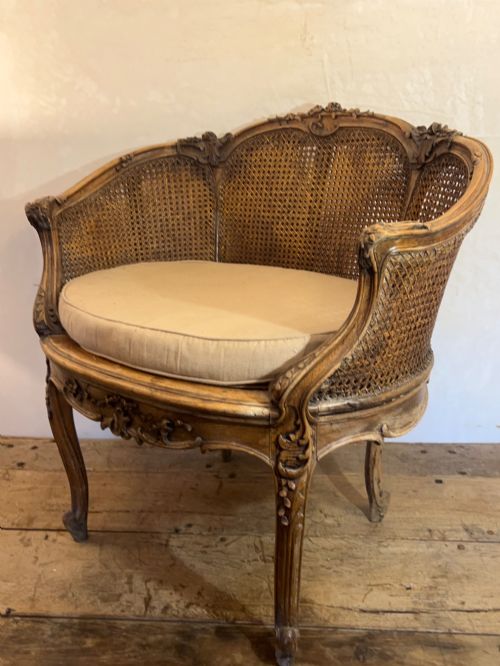
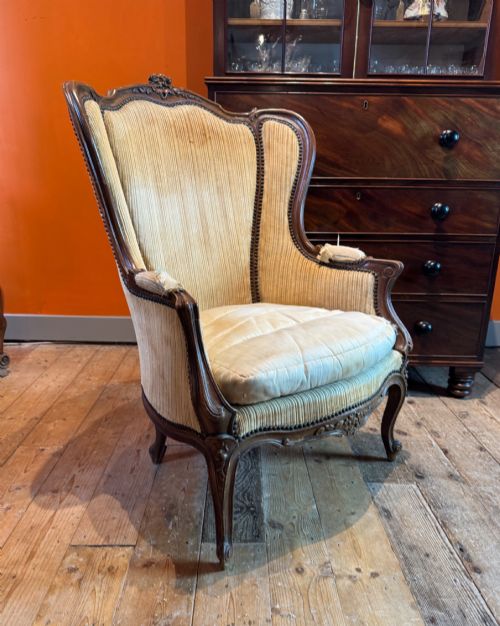
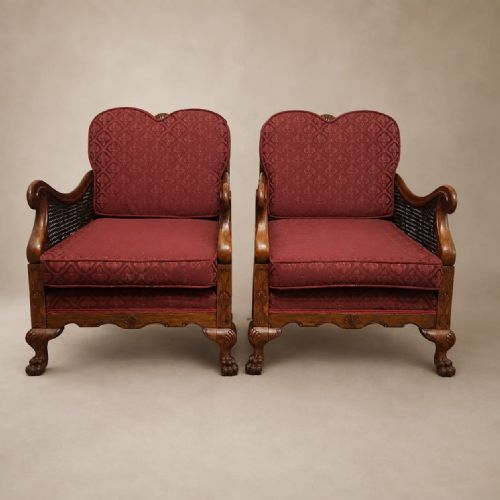
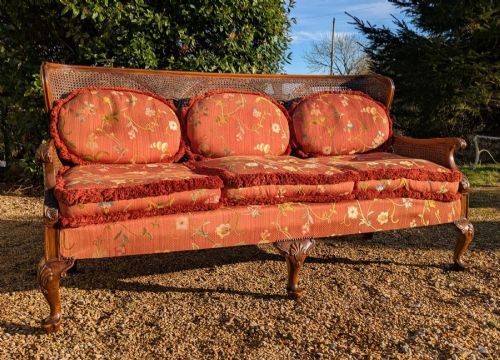
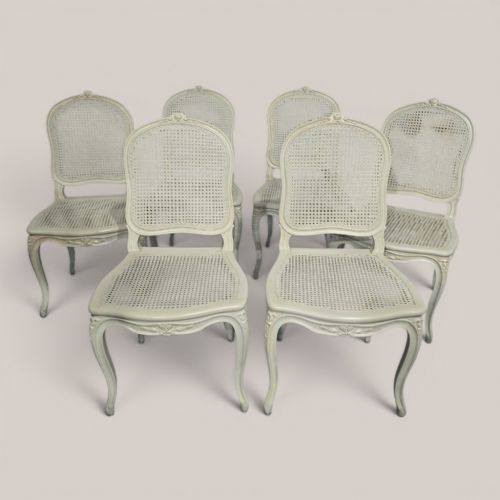
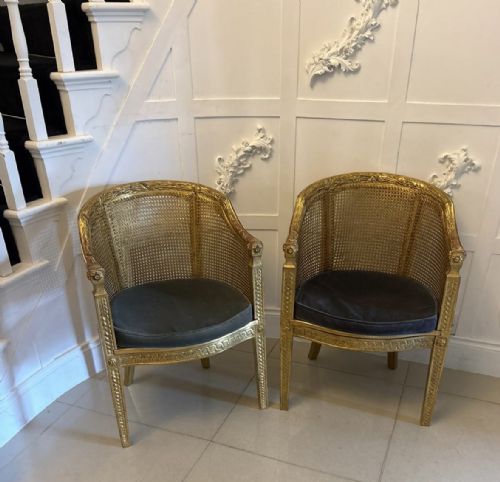
When a search for french style bergere brings you here, you enter a world of upholstered seating defined by enclosed cane work and historic revival forms.
How they were made
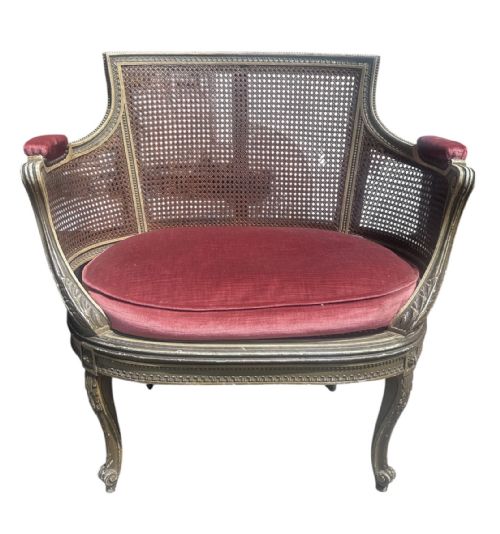
Makers constructed these frames from hardwoods such as walnut, beech, and oak, often shaping the timber with intricate hand-carved motifs before applying layers of paint, parcel-gilt, or clear polish. The distinctive enclosing panels relied on meticulous weaving of natural cane or split cane into tight patterns along the back and sides.
Upholstery formed an integral part of the construction, utilising drop-in seat cushions filled with feathers or hair, paired with supportive spring foundations. Silk fabrics, velvet, and leather completed the covering, secured to the frame with rows of decorative tacks.
What varies in quality
The distinction between ordinary and exceptional pieces rests primarily upon the crispness of the timber carving and the integrity of the structural joinery. Hand-carved walnut frames with deep, dimensional relief command greater appreciation than softer machine-milled alternatives.
Condition of the cane work marks another clear division, where evenly tensioned, unbroken weaving indicates superior craftsmanship. Original painted or gilded surfaces that retain their authentic patination rather than modern repainting hold significantly more aesthetic authority.
Some miniature examples were built specifically as child-sized bergere chairs, offering the exact same cane work in miniature.
The French Style Bergere Glossary
- Bergere
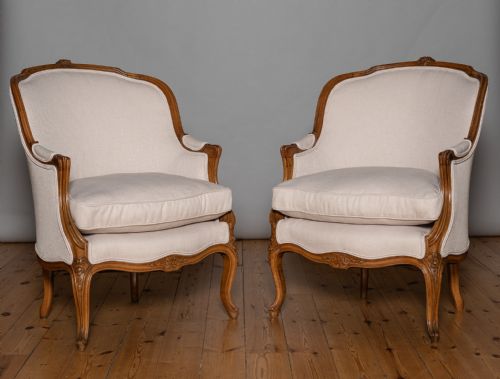
- An enclosed upholstered armchair with a wooden or painted frame and cane sides or back. This form originated in France during the eighteenth century.
- Cane
- Strips of rattan material woven into patterned panels for chair backs and sides. It provides lightweight rigidity and texture.
- Giltwood
- Timber coated with a thin layer of gold leaf or metallic gilt. It creates a bright, reflective finish popular in formal salon furniture.
- Duchesse brisee
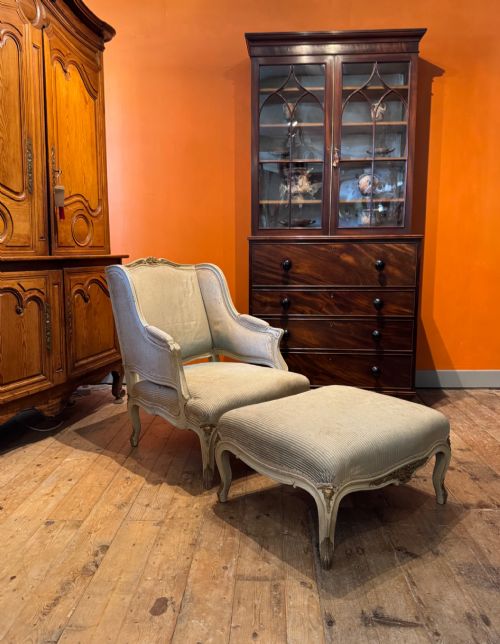
- A multi-part daybed or chaise longue comprising an armchair accompanied by an extension stool or matching foot section. It allows the user to recline fully.
- Corbeille
- A chair or seat featuring a rounded, basket-like curving backrest that envelops the occupant. The term derives from the French word for basket.
French Style Bergere: Frequently Asked Questions
What is a bergere chair?
A bergere is a traditional French armchair featuring an enclosed upholstered or caned back and sides with a low seat. They were designed for relaxed lounging in eighteenth-century salons.
Modern buyers encounter these pieces largely through nineteenth- and twentieth-century revival versions made from walnut, beech, or giltwood.
How do I tell Louis XV from Louis XVI style?
Louis XV style chairs exhibit flowing, organic curves, cabriole legs, and asymmetrical ornamentation. They favor fluid, serpentine lines across the frame.
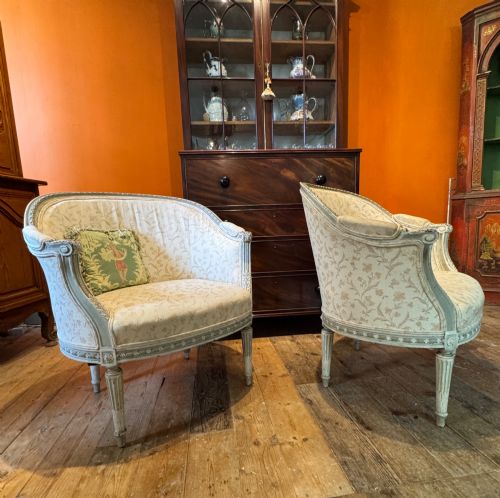
Louis XVI style shifts toward geometric straight lines, fluted tapered legs, and neoclassical symmetry with rectangular or oval backrests.
Are these chairs comfortable?
These armchairs were built for relaxation, featuring deep seats and supportive enclosed sides. Many examples incorporate feather cushions or sprung upholstery for added comfort.
Their generous proportions make them suitable as reading chairs or conversational seating in living spaces.
What is original paint?
Original paint refers to the historic decorative surface applied when the piece was first manufactured, rather than a modern recoating. It often shows natural wear and patination.
Collectors value original painted and gilded surfaces because they preserve the true character and age of the furniture.