




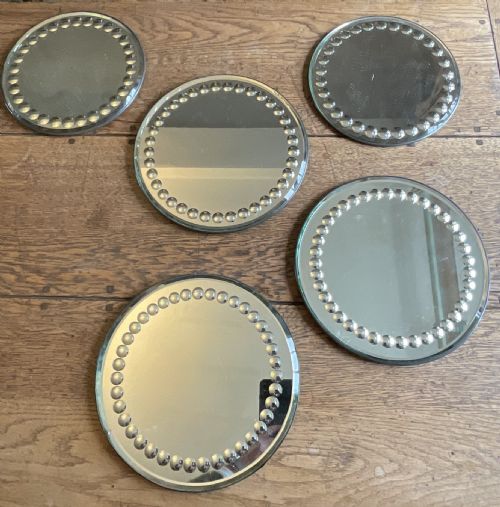
French Silvered Mirror
A french silvered mirror brings an unmistakable layer of reflective light and classical continental proportion into a room.
French Silvered Mirror
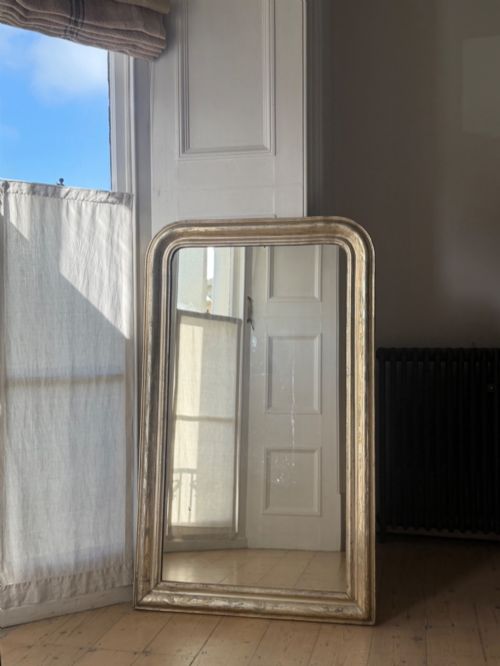
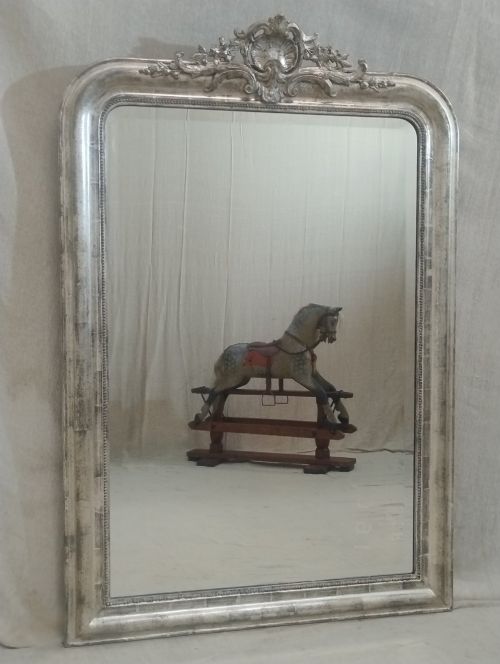
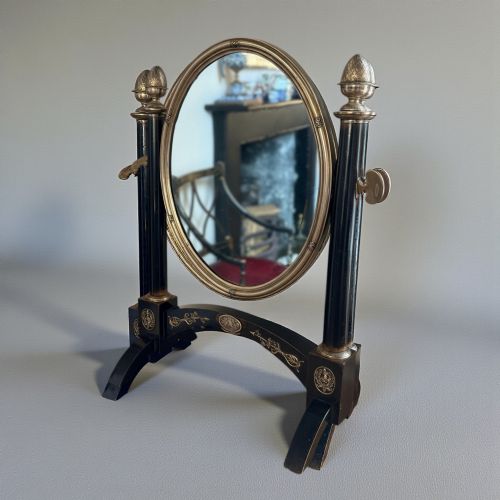
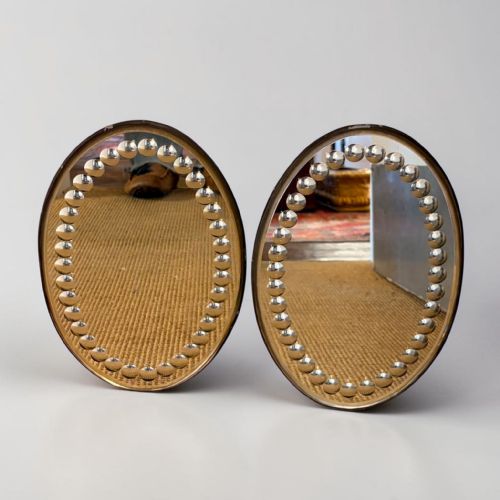
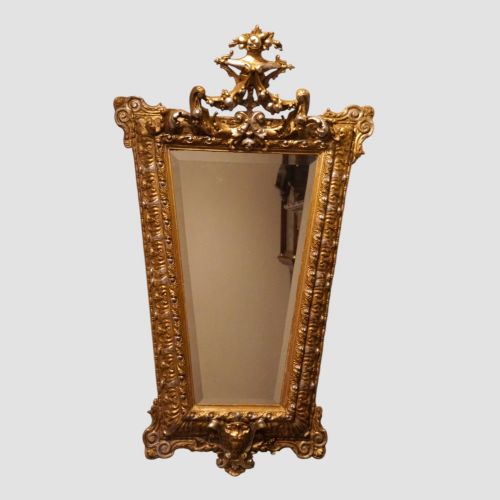
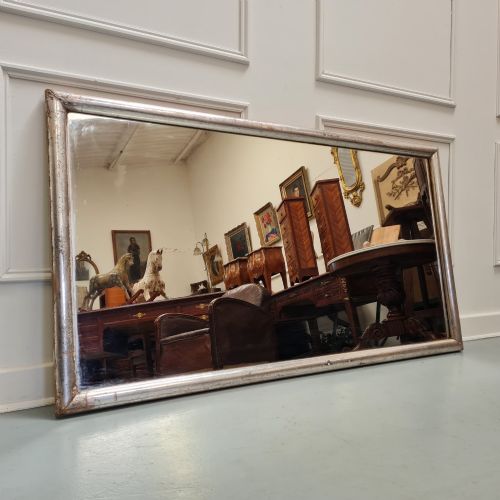
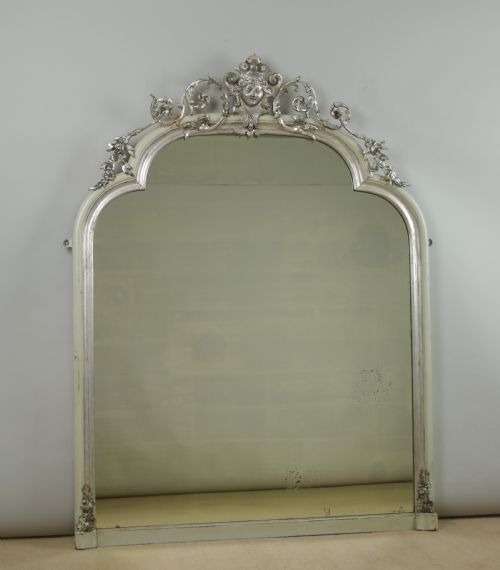
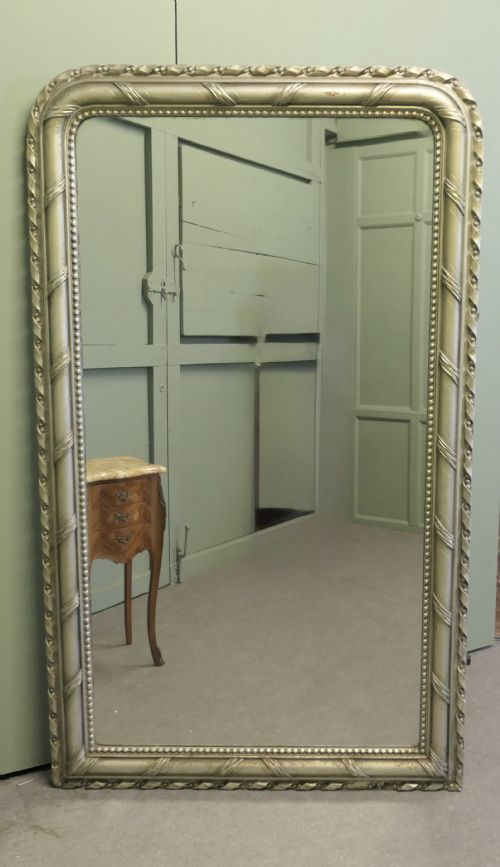
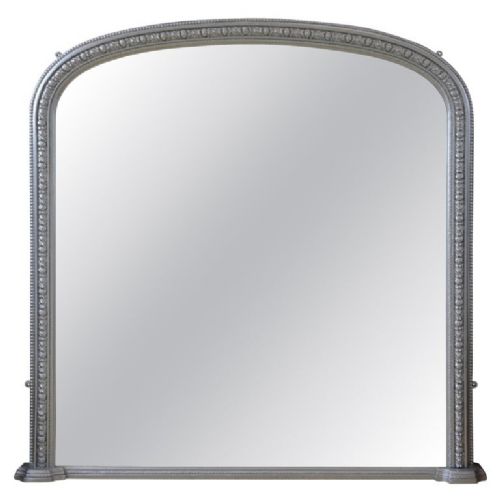
When searching for a french silvered mirror, buyers encounter a diverse range of antique and period looking-glasses originating from workshops across France. These pieces primarily span the nineteenth century, taking the form of grand overmantels, tall wall mirrors, and smaller bistro or vanity designs.
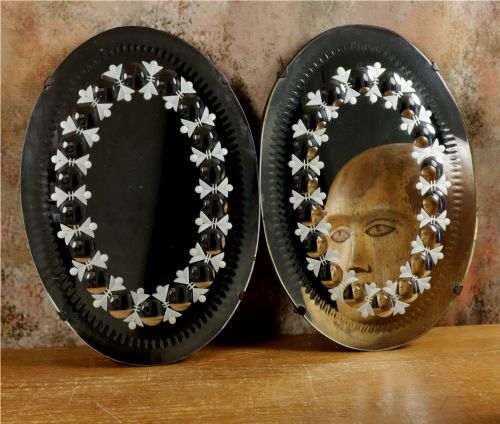
The inventory on this page demonstrates that the nineteenth-century examples often display traditional architectural frames with arched tops. Alongside these traditional forms, twentieth-century Art Deco interpretations offer clean geometric lines and etched glass details.
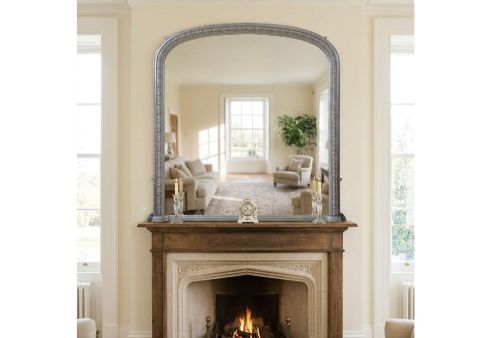
Overmantel mirrors dominate the selection, designed historically to sit above a mantelpiece and anchor the decorative scheme of a salon or drawing room. Buyers also find occasional variations such as plateau mirrors for tabletops and specialised dressing mirrors.
How they were made
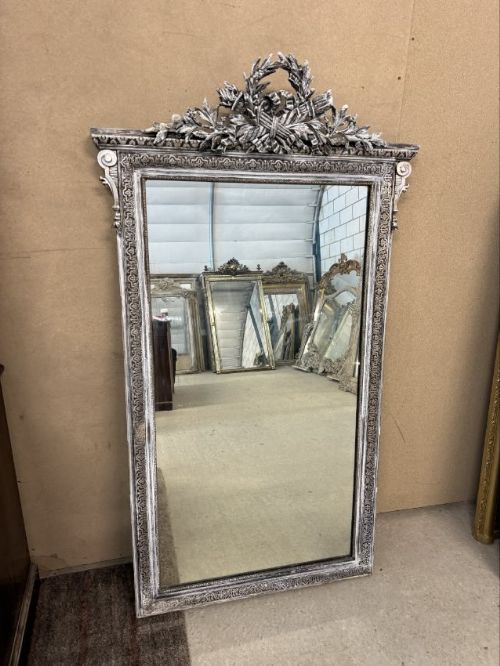
Traditional frames were constructed using carved wood and applied gesso to build up intricate surface ornamentation before finishing. Artisans then applied silver leaf, silver gilt, or liquid silver deposits to achieve the signature metallic sheen.
Later twentieth-century examples incorporated modern industrial methods, utilising chrome plating, brass, and cut plate glass suited to Art Deco and functional bathroom or vanity pieces.
French Silvered Mirror Retail Price Guide 2026
Typical asking prices for french silvered mirror among the pieces listed under this phrase on Sellingantiques today, from the lower quarter to the upper quarter. They describe what is for sale here now, not the wider market.
Listings feature both nineteenth-century carved wood overmantels and twentieth-century Art Deco chrome vanity mirrors.
What varies in quality
The standard of carving and the application of the gesso groundwork dictate the structural depth and definition of the frame ornamentation. Finer nineteenth-century pieces display crisp, hand-carved wooden details beneath the silver leaf rather than heavy, uniform moulded compositions.
The preservation of the original mercury or silvered glass plate contributes significantly to the character and authenticity of the piece. Look-glasses that retain their original distressed plate with natural foxing and oxidation command greater appreciation than later replacements.
Jean Gille·Brot
The French Silvered Mirror Glossary
- Gesso
- A plaster-like mixture applied to wood frames to create a smooth surface for carving and gilding. This material allows artisans to sculpt intricate relief decorations before applying silver leaf.
- Louis Philippe
- A mid-nineteenth-century French architectural style characterised by simple, elegant lines, often featuring rounded upper corners or a gentle arch. These mirrors balance understated grace with generous proportions.
- Overmantel
- A large mirror specifically proportioned to hang on the wall directly above a fireplace mantel. They typically feature wide wooden frames designed to reflect light across the entire room.
- Silver Leaf
- Extremely thin sheets of beaten silver applied to a prepared frame surface using an adhesive size. This technique creates a luminous, reflective metallic finish distinct from modern paint.
- Sorcerer Mirror
- A convex mirror designed to distort reflections and capture a wide-angle view of the interior space. These unusual pieces were popular as decorative novelties on tables and walls.
French Silvered Mirror: Frequently Asked Questions
How do I date a french silvered mirror?
Dating relies on examining the construction of the wooden frame, the composition of the gesso, and the backboards. Nineteenth-century examples frequently utilise hand-cut joinery and heavy carved wood under the silver leaf.
Twentieth-century pieces tend to show smoother machine milling, chrome plating, or distinct Art Deco geometric etching. Inspecting the silvering on the glass plate also offers clues regarding the period of production.
Where should I hang an overmantel mirror?
An overmantel mirror traditionally rests securely above a fireplace mantel to draw the eye upward and amplify natural light. Fixing it directly to the wall at the correct height ensures it anchors the surrounding furniture.
Ensuring proper wall fixings is essential due to the substantial weight of large nineteenth-century carved wood and gesso frames.
What is a sorcerer mirror used for?
Sorcerer mirrors feature a convex glass plate that reflects a panoramic view of the room in miniature. Historically used as decorative conversation pieces on sideboards or tabletops, they add a curious optical element to an interior.
These pieces are distinct from standard wall-hanging looking-glasses due to their spherical shape.
How do I clean an antique silvered glass?
Cleaning antique silvered glass requires a gentle touch to preserve the delicate original backing and aged patina. Using a soft, dry microfiber cloth removes dust without risking moisture damage to the edges.
Harsh chemical cleaners should be avoided entirely, as they can strip away fragile silver leaf or damage historical foxing on the glass.