

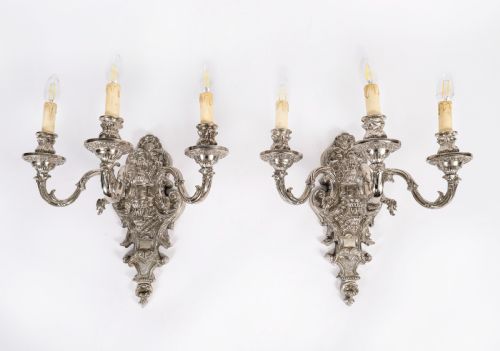


French Silver Sconces Pair
French silver sconces pair options bring authentic continental illumination to a room, offering reflective metal surfaces and classical styling.

French Silver Sconces Pair
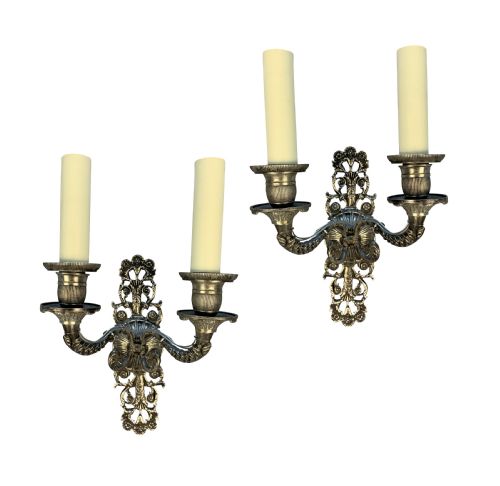
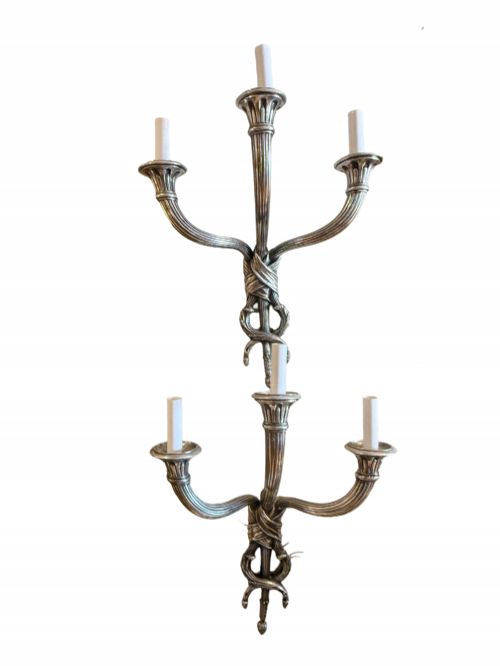
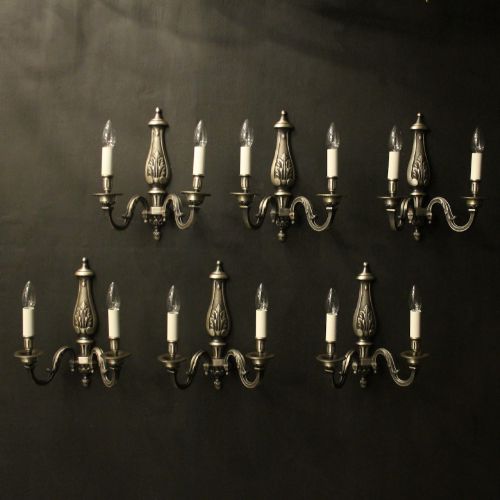
A french silver sconces pair comprises matching wall-mounted lighting fixtures created in various continental designs, frequently taking the form of twin-arm wall lights or single candle sconces. Buyers searching for this phrase encounter wall lighting executed in silver plate, silvered bronze, gilt metal, and silver gilt.
The objects span several distinct periods and revivals, ranging from Victorian interpretations and late nineteenth-century iterations to early twentieth-century pieces produced around nineteen hundred up to nineteen thirty. Common stylistic influences include French Empire, Louis XV, French Rococo Revival, and Art Nouveau.
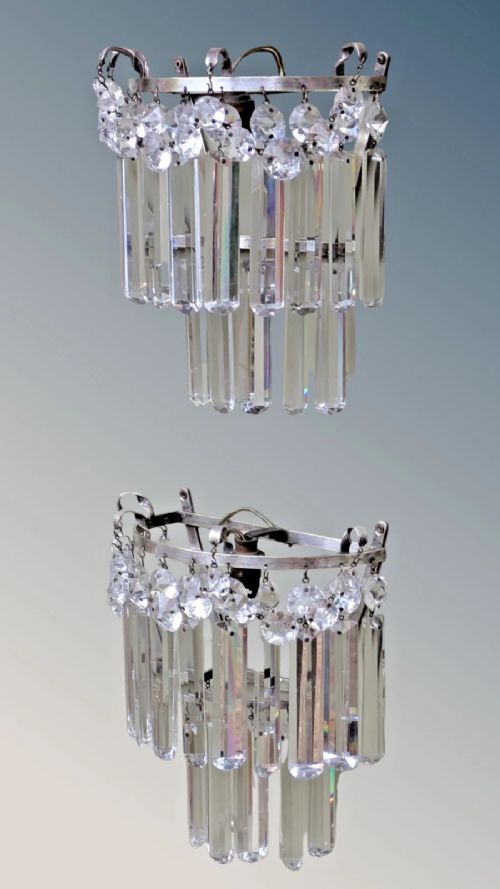
Most examples function as decorative wall lights designed to hold candles or electric fittings, often enhanced with cut crystal drops or glass elements. The selection relies heavily on cast metal foundations finished with silver or gilt treatments rather than solid silver throughout.
Materials and construction methods
Makers utilised cast metal, bronze, and base metals as the structural foundation for these wall lights, applying silver plating, silver leaf, or silver gilding to achieve a reflective metallic sheen. Skilled artisans shaped the metal into scrollwork arms, cherub figures, and classical ornamentation characteristic of French chateau and neoclassical aesthetics.
Glass and cut crystal components frequently accompany the metalwork, suspended from the sconces to refract candlelight or artificial illumination. The combination of silvered bronze or plated surfaces with crystal drops creates the characteristic sparkle associated with these continental wall fixtures.
Gilded cherubs frequently peer down from early twentieth-century arms, watching over the room with mischievous continental charm.
Assessing quality in wall lighting
Quality in a french silver sconces pair rests primarily on the crispness of the metal casting and the depth of the silver gilt or silvered bronze finish. Finer examples display sharp detailing in sculptural elements such as cherubs, acanthus leaves, and rococo scrolls, while lesser pieces show softer contours and simpler press-formed components.
The integration of materials also dictates overall merit, particularly the clarity of the cut crystal drops and the structural integrity of the twin arms. Heavier cast bronze frames carrying substantial silver plating represent a higher grade of craftsmanship compared to lightweight base metal alternatives.
The French Silver Sconces Pair Glossary
- Silver Plate
- A thin layer of silver bonded to a base metal core. This technique allowed manufacturers to produce decorative wall lights with the appearance of solid silver at a lower cost.
- Silver Gilt
- Silver applied to a metal surface and subsequently gilded or treated to produce a warm metallic tone. It appears frequently on early twentieth-century French wall lights.
- Sconce
- A wall-mounted lighting fixture designed to hold candles or lamps. In historical contexts, these fixtures often featured reflective metal backplates to amplify the illumination.
- Louis XV Style
- An ornate design aesthetic characterised by asymmetrical scrollwork, naturalistic plant motifs, and curved lines. This style heavily influenced nineteenth and twentieth-century French wall sconces.
- Cut Crystal
- Glass that has been shaped and faceted by grinding to enhance its reflective properties. Pieces featuring cut crystal drops catch and scatter light across the wall.
French Silver Sconces Pair: Frequently Asked Questions
How do I wire antique wall sconces?
Many antique wall sconces originally held candles and require professional conversion to accept modern electrical wiring. An electrician can run discreet wiring through the backplate or arms without compromising the original metalwork.
Positioning the sconces at eye level or flanking a mirror ensures optimal visual balance and effective light distribution within a room.
What periods do these sconces date from?
The available pieces span from the late nineteenth century through to the nineteen thirties, encompassing Victorian items and early twentieth-century revivals. Makers frequently drew inspiration from earlier French design vocabularies like Louis XV and the Empire period.
Examining the casting methods, screw types, and metal composition helps determine the approximate decade of manufacture for each pair.
Are these sconces made of solid silver?
Most examples are constructed from base metals, bronze, or cast metal that has undergone silver plating, silver gilding, or silver leaf application. Solid silver was rarely used for large structural wall lights due to weight and cost considerations.
Silvered bronze and silver-plated brass provide the necessary durability to support twin arms and crystal drops safely on a wall.
How should I clean silvered bronze sconces?
Dust the metal surfaces gently with a soft, dry cloth to prevent the accumulation of grime. Avoid abrasive silver polishes, as harsh scrubbing can wear away thin layers of silver plating or gilt finishes.
Crystal drops can be removed carefully and washed in warm soapy water before being dried thoroughly and reattached to the arms.