



French Sewing
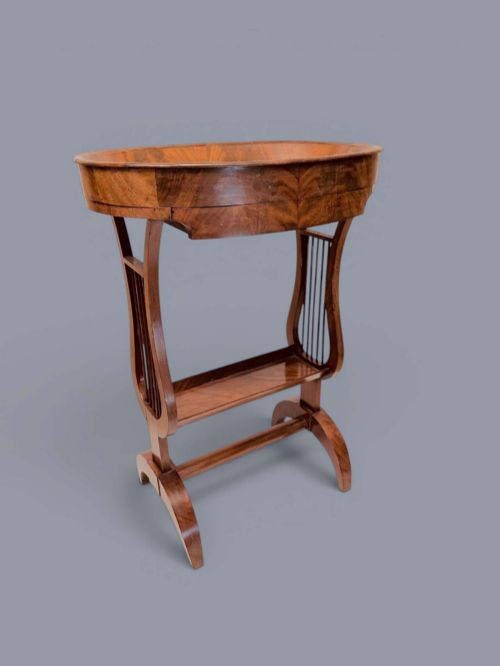
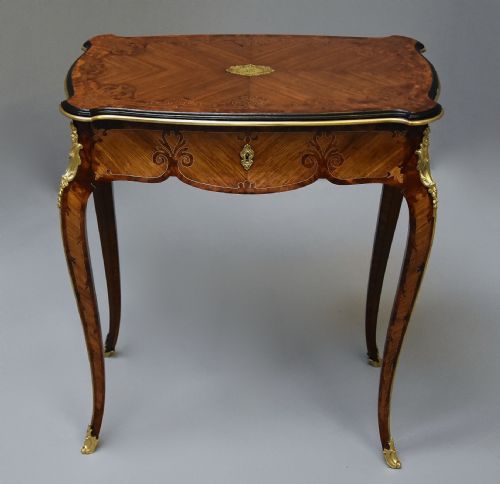
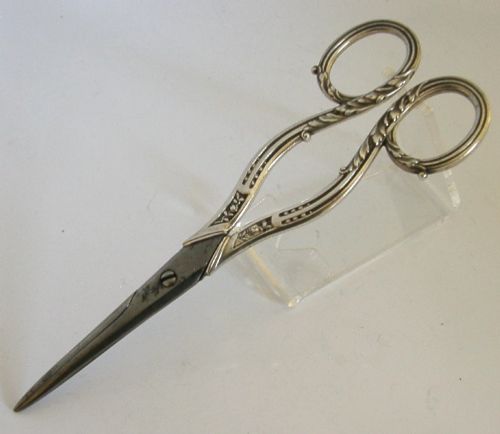
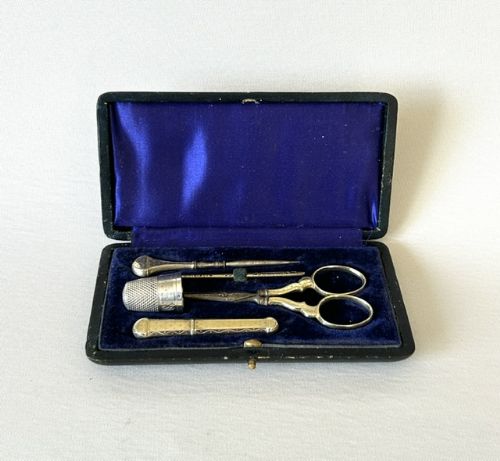
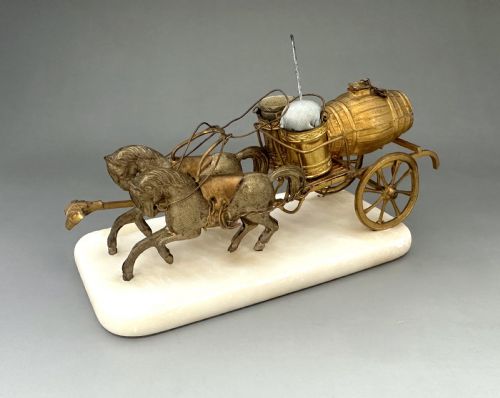
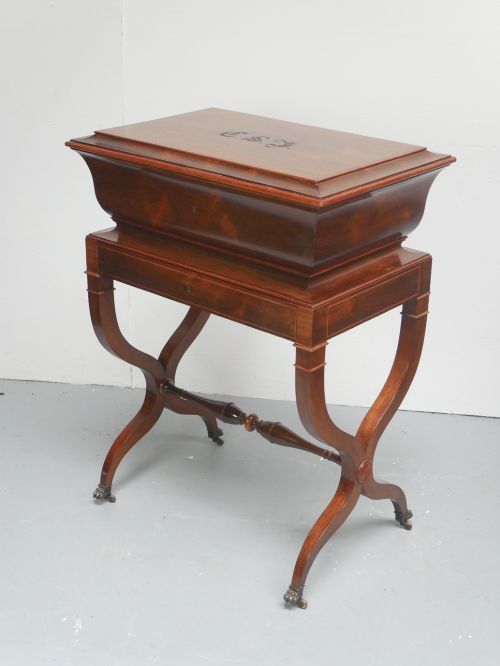
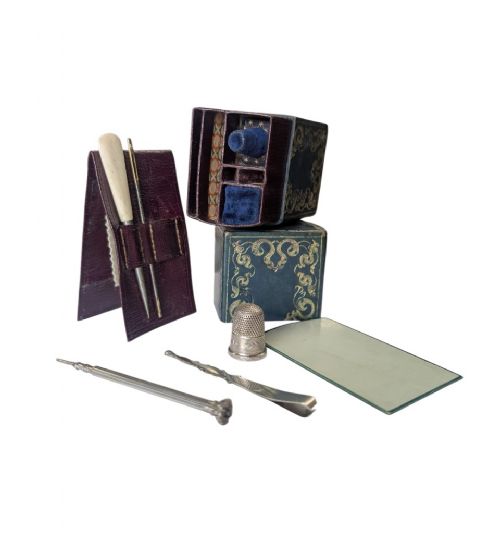
These french sewing antique pieces are decorative work tables and bespoke compendiums designed for nineteenth-century needlework.
French Sewing
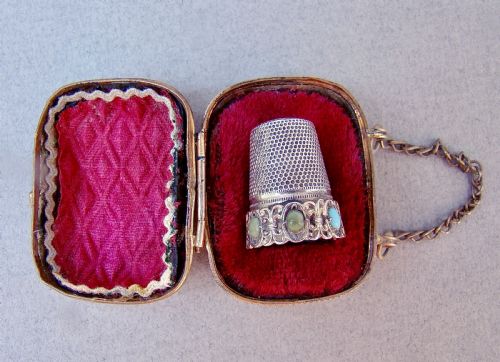
The objects span periods from the Regency era through the Victorian epoch and the late nineteenth-century Belle Epoque, incorporating Louis XV Revival and Napoleon III styles. Common formats include marquetry-inlaid pedestals, porcelain-mounted side tables, and small portable etuis or chatelaine cases.
Makers and artisans utilised sophisticated mechanisms to conceal storage wells, mirrors, and writing surfaces beneath folding lids. These tables doubled as elegant parlor furnishings where ladies could practice needlecraft while entertaining guests.
What varies in quality
The sophistication of the internal mechanisms dictates the tier of craftsmanship, separating standard production tables from masterworks with multi-tier folding trays and concealed spring-loaded drawers. Superior examples feature seamless operation where interior compartments rise smoothly as the outer lid lifts.
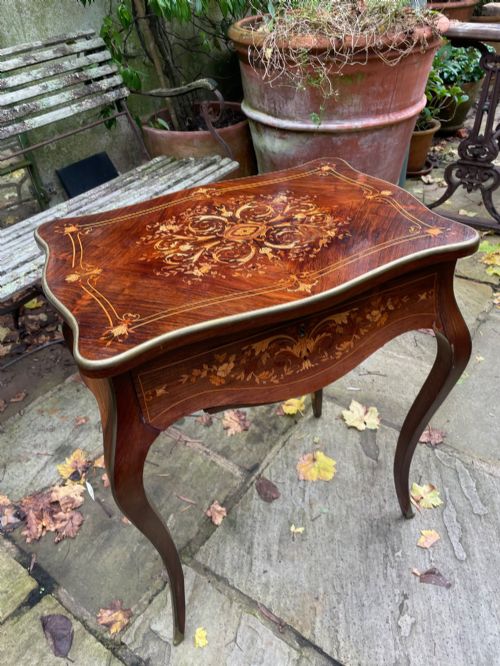
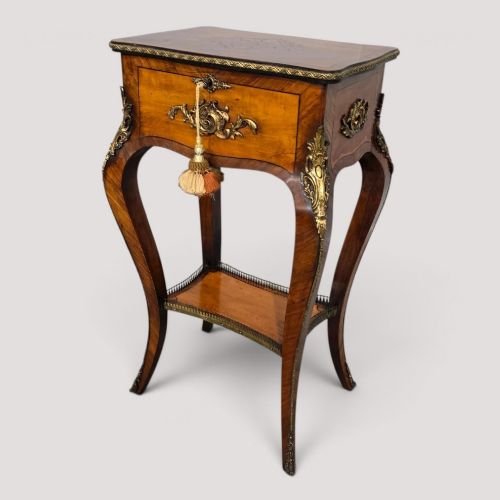
Material selection and execution of surface decoration define the upper range, particularly the precision of floral marquetry in exotic woods and the crispness of chased ormolu mounts. The inclusion of original signed components, porcelain plaques, or fitted silver-gilt accessories elevates the standing of a piece.
French Sewing Retail Price Guide 2026
Typical asking prices for french sewing among the pieces listed under this phrase on Sellingantiques today, from the lower quarter to the upper quarter. They describe what is for sale here now, not the wider market.
Design styles span Louis XV Revival, Napoleon III, and Victorian aesthetics across various decades.
Lesage
The French Sewing Glossary
- Ormolu
- Gilded bronze used for decorative mounts and feet. Cabinetmakers applied this technique extensively during the nineteenth century to highlight the curves of revivalist furniture.
- Marquetry
- The art of applying small pieces of wood veneer to form decorative patterns. Artisans used contrasting timbers like rosewood and kingwood to create elaborate floral scenes.
- Poudreuse
- A combination dressing table and work desk. These pieces feature folding tops that open to reveal mirrors and compartments for cosmetics and sewing implements.
- Etui
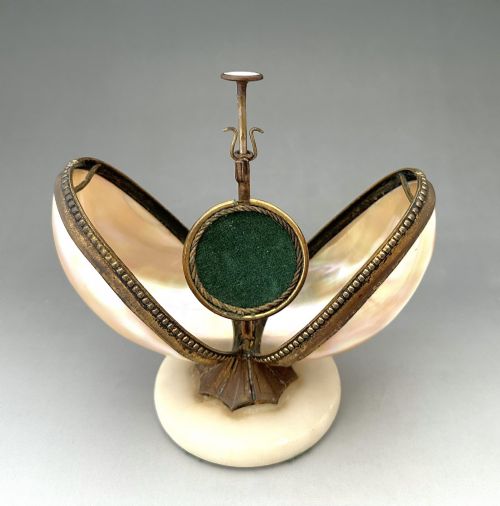
- A small decorative case for holding needles, scissors, or cosmetics. Palais Royal examples frequently utilised mother-of-pearl and carved bone.
French Sewing: Frequently Asked Questions
What is a french sewing antique used for?
These pieces served as functional work stations for nineteenth-century needlework, holding threads, pins, and lace-making tools.
They also functioned as decorative occasional tables and small desks in domestic parlours and dressing rooms.
How do I identify a nineteenth century work table?
Look for hinged lids opening to fitted interior compartments specifically partitioned for spools, bobbins, and small sewing tools.
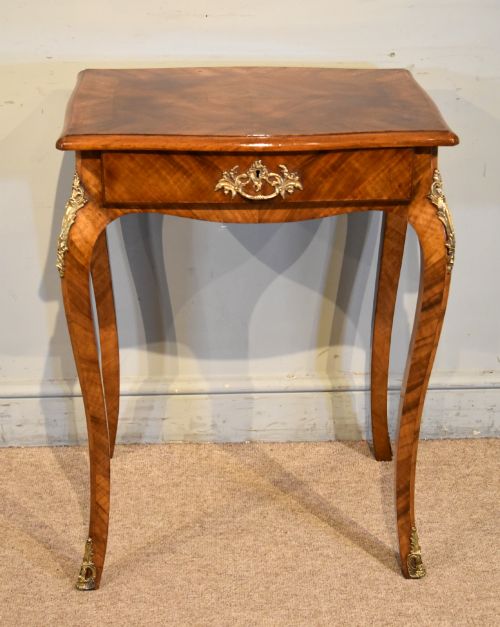
Period pieces often incorporate walnut or rosewood veneers paired with brass or ormolu mounts characteristic of Victorian and Napoleon III production.
What is the difference between a poudreuse and a work table?
A poudreuse primarily incorporates a mirror and space for cosmetics alongside storage for needlework.
Standard work tables focus exclusively on compartments for threads, fabrics, and sewing accessories without the central vanity mirror.
How should I care for wood veneer surfaces?
Keep these tables away from direct sunlight and strong heat sources to prevent the delicate rosewood and kingwood veneers from drying out.
Apply a microcrystalline wax periodically to nourish the timber and maintain the natural lustre of the French polished finish.