


French Seating Furniture
French seating furniture brings together centuries of skilled carpentry and varied upholstery, offering both formal salon suites and robust garden benches.
French Seating Furniture
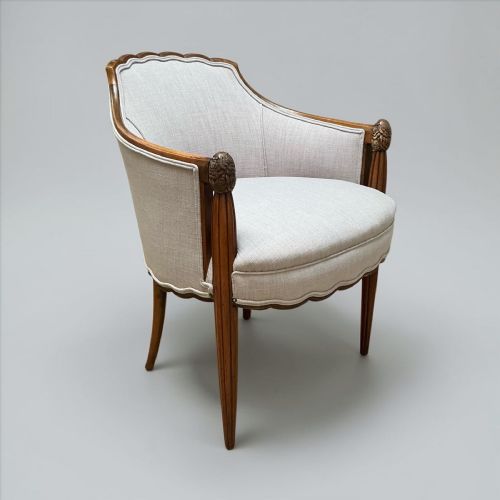
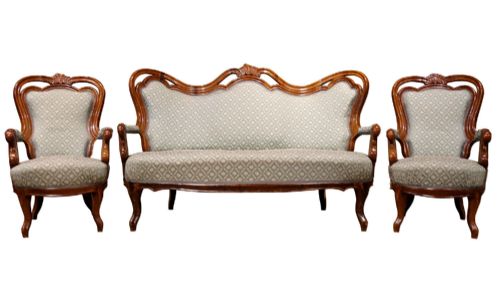
French seating furniture encompasses a wide range of forms designed for both interior rooms and outdoor spaces. Buyers seeking these pieces will encounter everything from walnut salon suites and upholstered armchairs to iron garden benches and cherrywood dining benches.
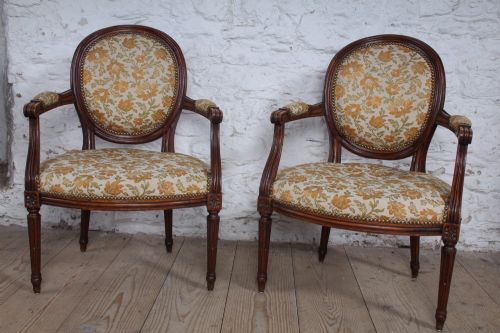
The selection on this page leans heavily toward nineteenth-century walnut and oak indoor seating, alongside early twentieth-century metal garden pieces. Forms span across armchairs, window seats, chaise longues, and complete multi-piece salon settings.
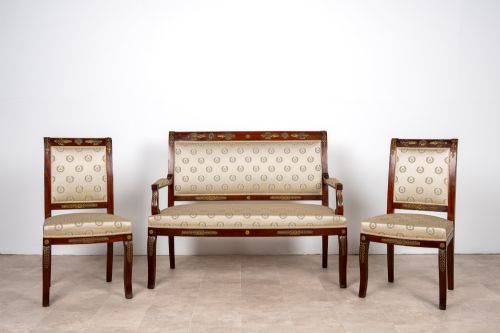
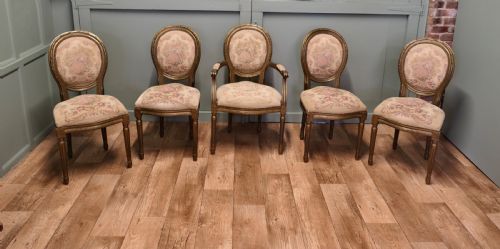
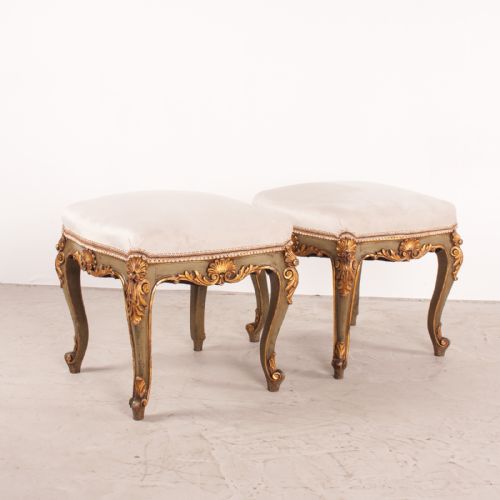
Period styles represented across the inventory include Louis XVI, Louis XV, French Empire, and Rococo Revival, alongside simpler country and provincial interpretations. Each style brings distinct decorative vocabulary, from carved walnut frames to painted and gilded finishes.
Materials and construction methods
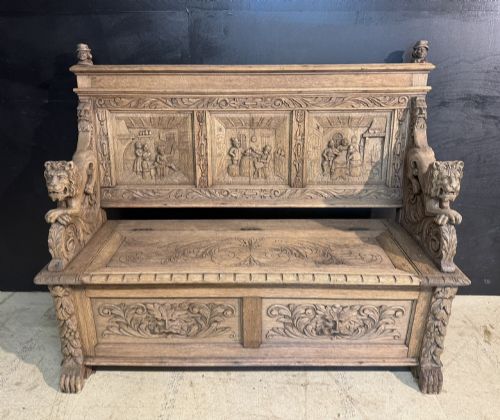
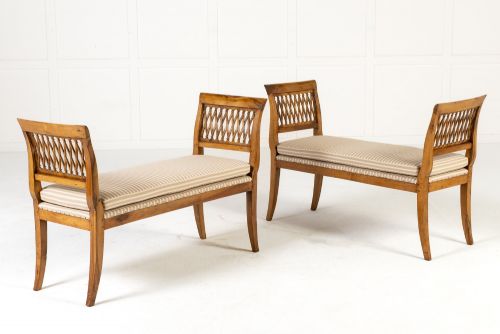
Timber selection defines much of this seating, with walnut, oak, cherrywood, fruitwood, and beech forming the structural frames of indoor chairs, benches, and stools. Master carpenters shaped these woods using traditional carving and joinery techniques suited to each specific historical period.
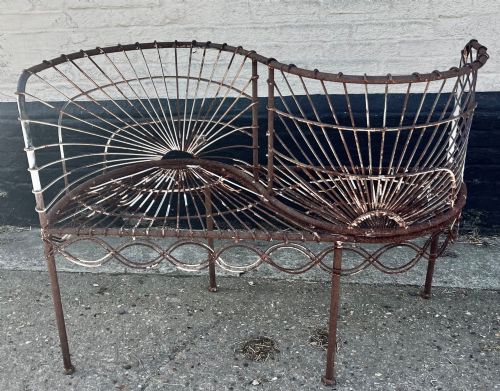
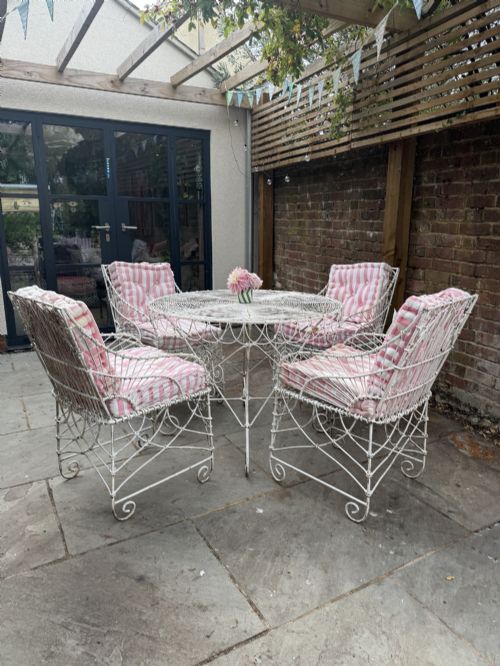
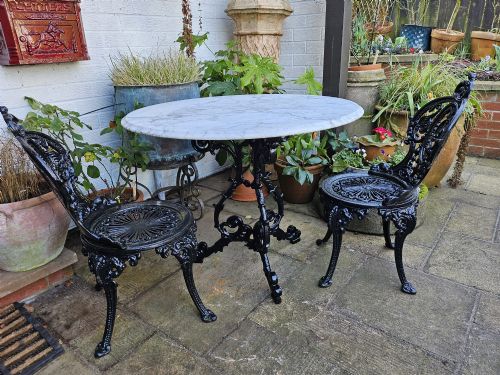
Upholstery materials such as velvet, leather, fabric, and cane provide the functional seating surfaces on armchairs, salon suites, and bergere chairs. Metal and iron construction appears frequently in outdoor settings, utilising cast iron, wrought iron, and brass for garden benches, bistro sets, and conversation seats.
French Seating Furniture Retail Price Guide 2026
Typical asking prices for french seating furniture among the pieces listed under this phrase on Sellingantiques today, from the lower quarter to the upper quarter. They describe what is for sale here now, not the wider market.
Simulated bamboo side chairs show that even nineteenth-century makers enjoyed a convincing botanical disguise.
Assessing quality in French seating
The distinction between standard and superior pieces rests on the precision of the timber carving and the integrity of the frame construction. Pieces displaying deep, crisp hand-carved details in walnut or oak demonstrate a higher level of artisan skill than simpler moulded or machine-finished equivalents.
Originality of surface finish and upholstery materials also elevates a piece, particularly when retaining period paint, gilding, or early leather and velvet trims. The structural harmony of complex forms, such as multi-piece salon suites and duchesse brisée chaise longues, reflects the maker's original design ambition.
The French Seating Furniture Glossary
- Salon suite
- A matching set of upholstered seating furniture designed for a formal drawing room, typically comprising a small sofa and armchairs.
- Bergere chair
- An enclosed upholstered armchair with wooden framing exposed around the back and sides, often featuring cane panels.
- Duchesse brisée
- A chaise longue split into two or three parts, combining an armchair with one or two footstools to form a continuous resting place.
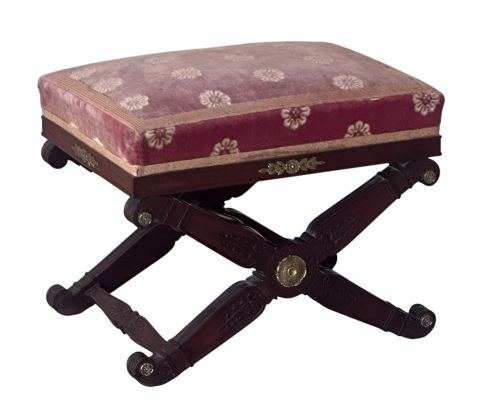
- X frame stool
- A folding or rigid stool supported by intersecting diagonal legs forming an X shape, often associated with formal ceremonial seating.
- Faux bois
- A decorative technique mimicking wood grain, frequently applied to concrete or metal garden seats to create a rustic natural appearance.
French Seating Furniture: Frequently Asked Questions
How do I identify a Louis XV style chair?
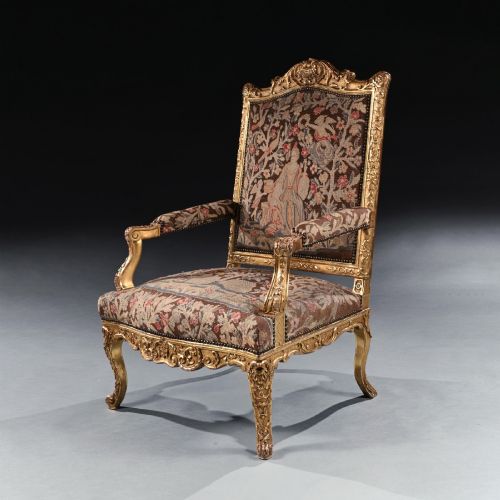
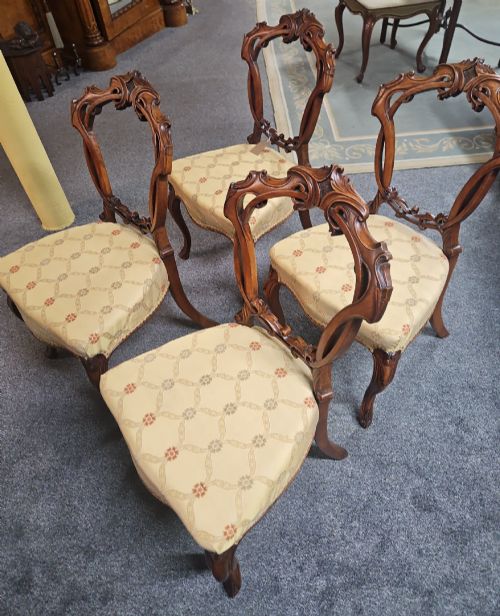
Louis XV style chairs feature prominent curved cabriole legs, asymmetric scrollwork, and floral carved motifs rather than rigid straight lines. The frames are typically constructed from walnut or beech with flowing organic outlines.
These pieces were built for comfort and intimate domestic spaces, moving away from the heavier geometric forms of earlier periods.
Can I use antique metal garden benches outside?
Many iron and cast-iron garden benches from the early twentieth century are designed for outdoor endurance, utilising robust metal construction that withstands weather. Regular maintenance helps preserve the painted or rusted surfaces against further environmental wear.
Placing them on stable stone paving prevents moisture retention at the base of the iron legs.
How do I care for antique velvet upholstery?
Antique velvet requires gentle brush maintenance to lift the pile and prevent dust accumulation within the fabric fibres. Direct sunlight should be avoided to prevent fading of the delicate pile and underlying textile tones.
Professional textile conservation is recommended for deep cleaning or structural repairs to historic fabric.