


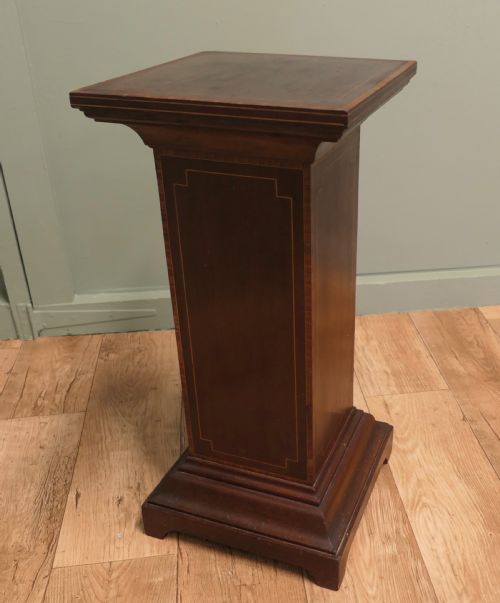




French Sculpture Stand
These french sculpture stand examples provide solid plinths, columns, and torcheres to elevate bronze figures, marble busts, and decorative urns in a room.
French Sculpture Stand
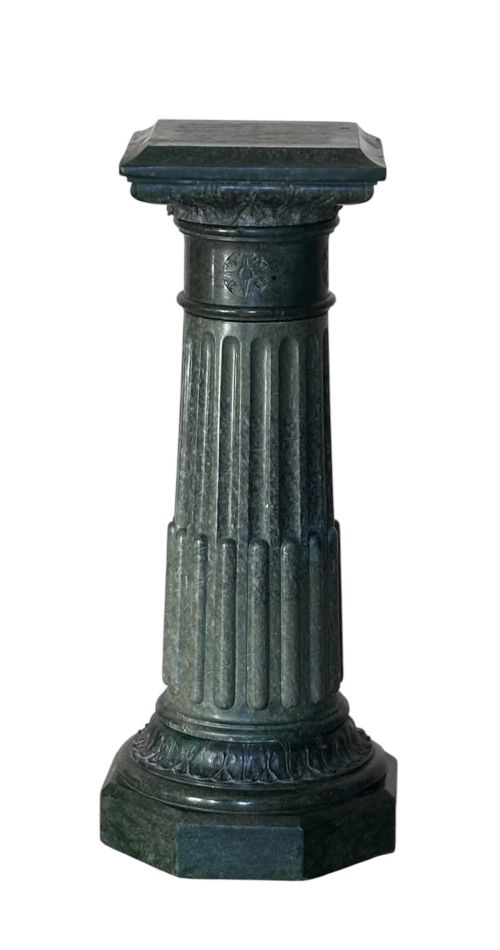
A french sculpture stand encompasses architectural columns, display pedestals, and torcheres designed to showcase busts, urns, and figural bronzes at eye level. The versions most commonly met here originate from the nineteenth century, reflecting Neoclassical, Louis XVI, Art Nouveau, and Art Deco tastes.
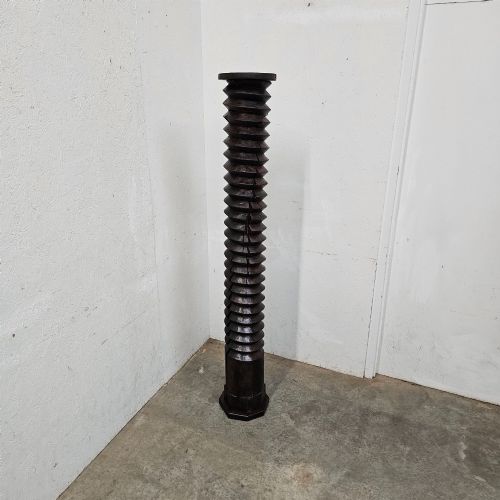
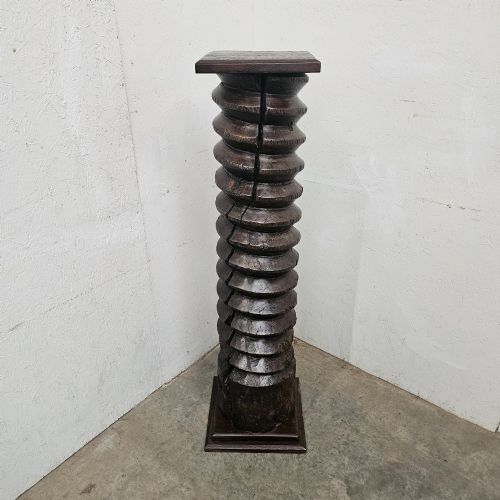
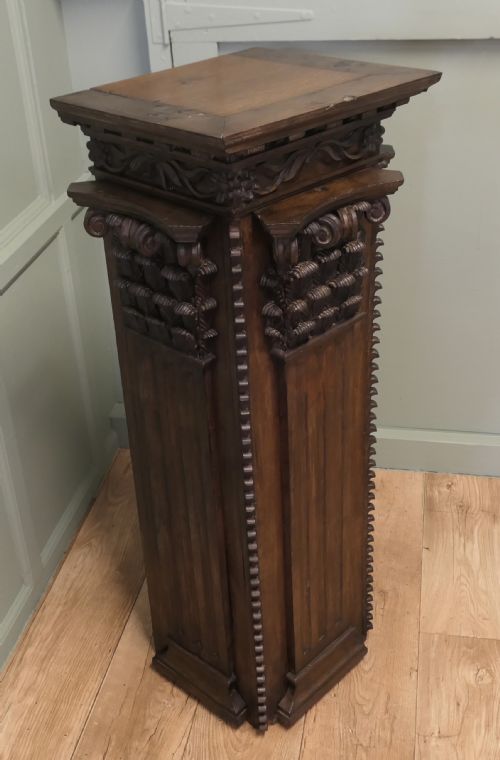
The architectural forms range from slender onyx and marble columns fitted with ormolu collars to substantial carved oak and walnut pedestals. Many pieces arrive as matched pairs, intended to flank doorways or fireplaces while supporting heavy stone sculpture.
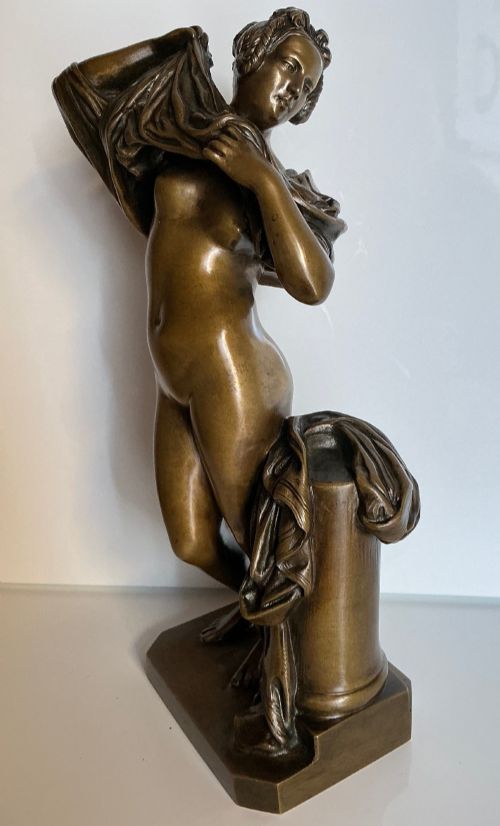
Makers and founders such as Susse Freres and Hebrard produced sculptural works alongside the stands, uniting cast bronze figures with stone columns. The listings balance functional plinths against decorative works of art meant to anchor a interior scheme.
Materials and Construction
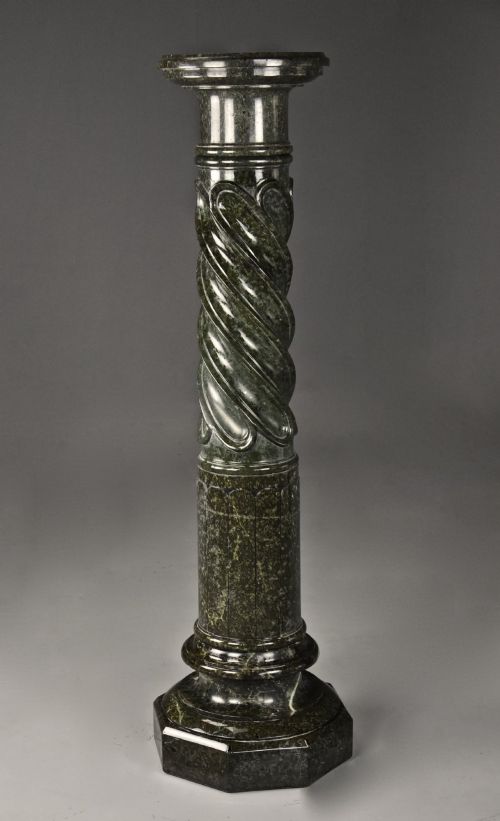
The construction relies on heavy natural materials, combining varieties of marble such as verde antico, rouge, and green serpentine with turned onyx and carved hardwoods including walnut, mahogany, and oak. These dense stones and timbers provide the stability necessary to support weighty bronze casts and marble busts without tipping.
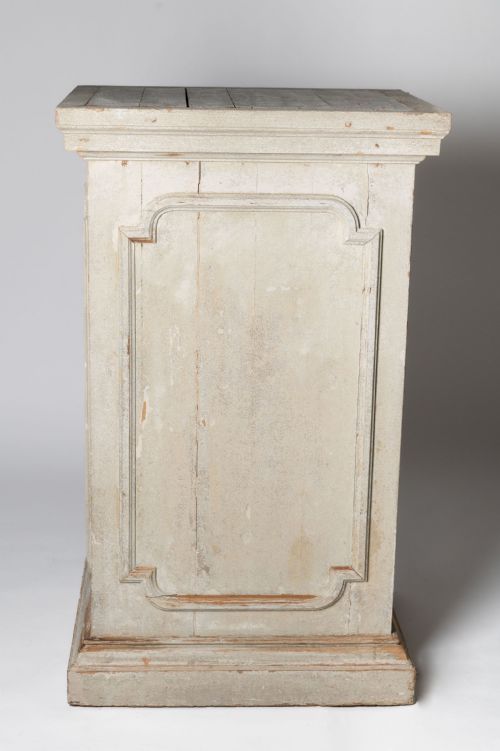
Gilt bronze and ormolu mounts frequently accent the timber and stone columns, cast and chased to form classical swags, collars, and capitals. Plaster and gesso also appear on painted pedestals, offering crisp relief detail moulded in imitation of stone.
French Sculpture Stand Retail Price Guide 2026
Typical asking prices for french sculpture stand among the pieces listed under this phrase on Sellingantiques today, from the lower quarter to the upper quarter. They describe what is for sale here now, not the wider market.
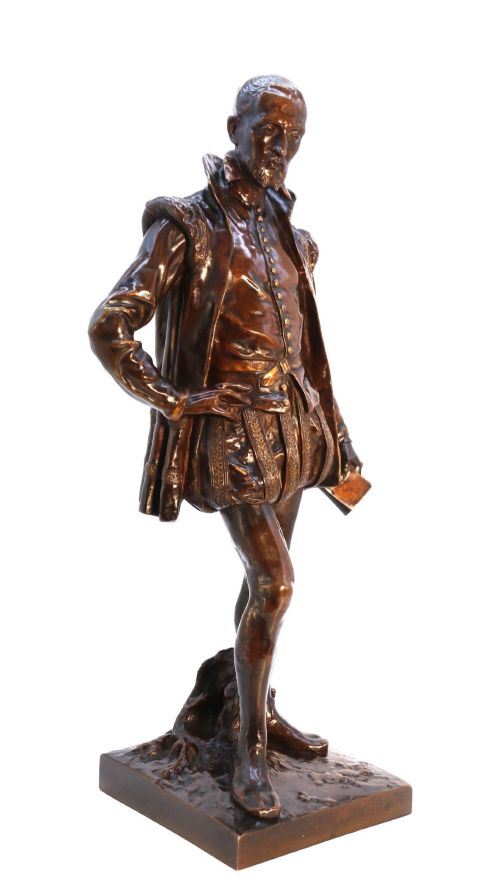
A court jester in bronze stands tall among the stone columns, reminding us that nineteenth-century rooms enjoyed a touch of theatrical mischief.
Design and Execution
Quality rests on the depth and precision of the hand carving in wood or the crispness of the chase work on ormolu mounts. Superior pieces display harmonious proportions where the column shaft, capital, and base maintain a balanced architectural relation.
The selection of the raw material dictates the upper tier of the range, with choice varieties of coloured marble and figured hardwoods yielding more striking surfaces than plain painted plaster or simple softwood.
P Granet·PJ Mene·Jean Jules Salmson·Hebrard·Antonin Mercié·Maison Jansen·Susse Freres·Pierre le Faguays·Alexandre Clerget·E Laurent
The French Sculpture Stand Glossary
- Ormolu
- Gilt bronze, where finely ground gold is applied to a bronze base using mercury amalgamation or electroplating. This finish imparts a rich metallic lustre that resists tarnishing over decades.
- Torchiere
- A tall stand or floor lamp designed to hold a light source or an ornamental vessel. In sculpture stands, the term refers to slender columns that elevate figures or urns.
- Verde Antico
- A dark green serpentine marble breccia prized in classical and neoclassical design. It provides a mottled surface texture favoured for decorative columns and pedestals.
- Animalier
- A nineteenth-century artistic genre focusing on the realistic portrayal of animals. Sculptures in this style often depict stags, ostriches, and big cats cast in bronze.
French Sculpture Stand: Frequently Asked Questions
What weights can a marble column support?
These stone and hardwood columns are engineered to bear heavy loads, easily sustaining large bronze figures and substantial marble busts.
The dense mass of marble or dense timber grants the base inherent stability on flat flooring.
How do I clean ormolu mounts safely?
Dust the gilt bronze gently with a soft dry cloth to prevent scratching the delicate gold surface.
Avoid chemical polishes and abrasive cleaners entirely, as they strip away the historic mercury or electroplated gilt.
Are these pedestals suitable for plants?
Alabaster top and marble topped stands resist moisture well, making them historically suited for holding plant pots or floral urns.
Ensure that any watering happens away from the stand to protect porous stone edges and timber bases from water rings.
How do I distinguish Art Deco stands from Neoclassical ones?
Neoclassical columns draw heavily on ancient Greek and Roman architecture, featuring fluted shafts, ormolu collars, and classical marble types.
Art Deco examples embrace geometric lines, contrasting veneers like macassar ebony, and stylised forms characteristic of the interwar period.