



French Scrollwork Stand
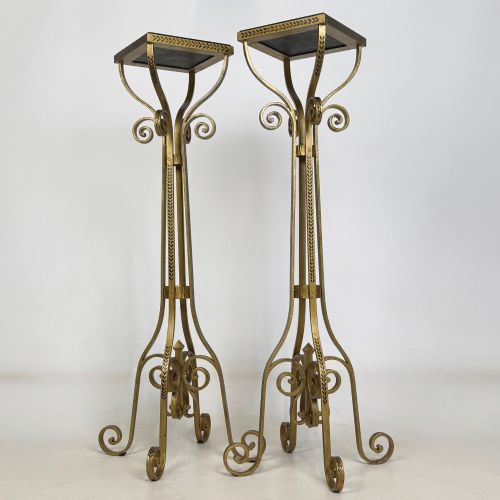
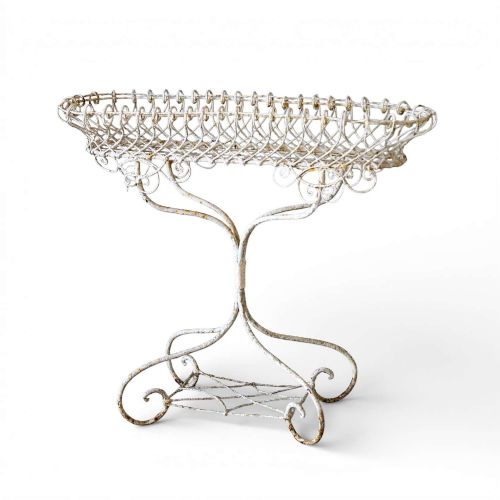
These french scrollwork stand examples bring intricate metalwork and stone into domestic spaces, offering sturdy surfaces for plants or display.
French Scrollwork Stand
A french scrollwork stand encompasses practical items like plant stands, bakers racks, and console tables designed with decorative metal curves. These objects serve both utilitarian storage and ornamental display functions within homes, drawing on historical forms from the nineteenth century onwards.
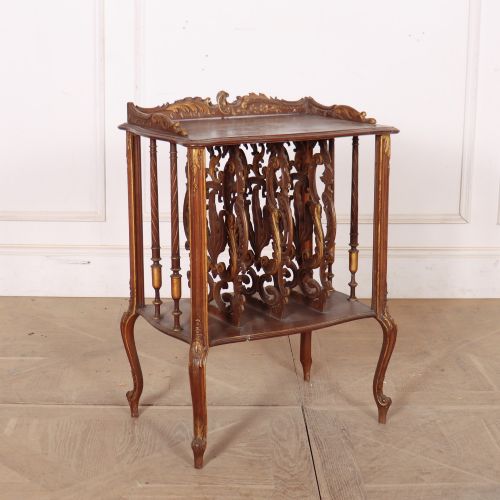
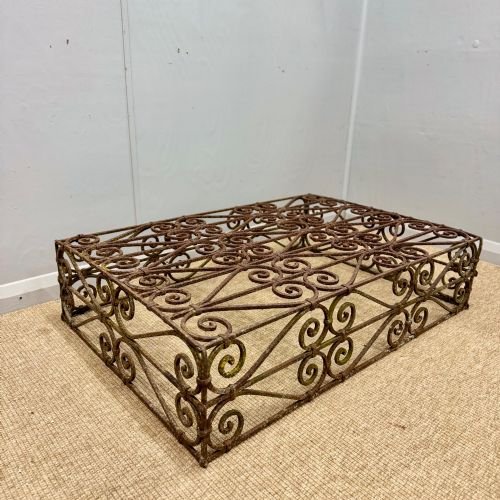
The selections available here lean heavily toward metal framing combined with contrasting surfaces such as marble or lattice baskets. Pieces range from garden tables and patisserie racks to low coffee tables and music stands, reflecting diverse domestic and commercial origins.
Makers and manufacturers during periods like the Edwardian era and the nineteenth century produced these items using robust metals like wrought iron and brass. Buyers encounter various regional expressions, notably French country and Victorian aesthetics, which dictate the overall silhouette.
Materials and construction methods
Constructed primarily from wrought iron, brass, and steel, these pieces rely on heated metal manipulated into distinctive scrollwork patterns. Artisans shaped structural frames to support heavy loads, integrating lattice baskets and strapp work into the design.
Many examples incorporate inset marble tops or wooden elements like walnut, secured within metal chassis. Paint and gilt finishes were frequently applied to the surfaces, providing both decoration and protection against wear.
French Scrollwork Stand Retail Price Guide 2026
Typical asking prices for french scrollwork stand among the pieces listed under this phrase on Sellingantiques today, from the lower quarter to the upper quarter. They describe what is for sale here now, not the wider market.
Listings feature items spanning the nineteenth century, 1860, 1890, 1900, 1920, and the Edwardian period, utilising wrought iron, brass, marble, and walnut.
Assessing quality in metalwork and surfaces
Quality reveals itself in the precision of the metal forging and the intricacy of the scrollwork details. Finer examples display fluid, hand-shaped curves without crude joints, while simpler versions rely on heavier, standardised industrial fabrication.
The integration of secondary materials like carved wood or fitted marble tops significantly influences the sophistication of a piece. Original surface treatments, whether patinated paint or polished brass, distinguish superior survivals from later alterations.
The French Scrollwork Stand Glossary
- Scrollwork
- Ornamental work consisting of spiralling scrolls. This technique defines the aesthetic of the metal frames.
- Bakers rack
- An open metal shelving unit historically used for cooling bread. These sturdy structures now function as storage or display furniture in homes.
- Wrought iron
- Iron that is beaten out or shaped by hammering. It provides the strong yet malleable framework for many nineteenth-century stands.
- Patisserie rack
- A multi-tiered metal stand originally utilised in French pastry shops. These items offer versatile shelving with an open framework.
- Strapp work
- Flat metal strips arranged in geometric or decorative patterns. This technique reinforces garden tables and utility stands.
French Scrollwork Stand: Frequently Asked Questions
What rooms suit a french scrollwork stand?
These versatile stands fit comfortably in conservatories, hallways, or living areas where plants and decorative items need support. Their open metal structures prevent rooms from feeling crowded.
Kitchens and dining spaces also benefit from bakers racks and console tables, providing practical storage without bulk.
How do I care for marble tops?
Marble surfaces require gentle cleaning with mild soap and water to avoid dulling the stone. Acidic substances should be kept away from polished tops.
Routine dusting and occasional sealing help preserve the finish against everyday moisture and use.
Are these stands suitable for gardens?
Certain pieces, such as garden tables and low iron stands, are built for outdoor use. They withstand weathering when properly maintained.
Indoor pieces featuring delicate paint or polished brass require protection from damp conditions to prevent deterioration.
How are different periods identified?
Dating relies on material combinations, construction techniques, and stylistic markers associated with the nineteenth century and Edwardian eras. Hand-forged iron details often point to earlier production.
Simpler industrial racks and painted storage units typically reflect twentieth-century manufacturing practices.