
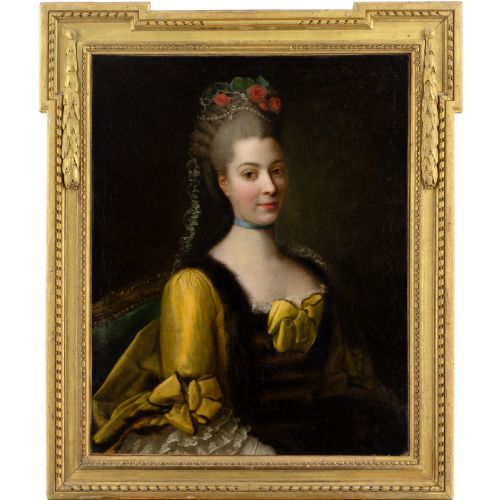
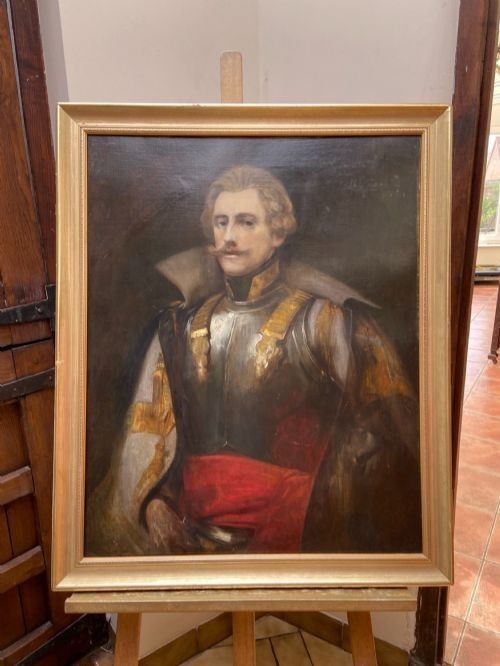
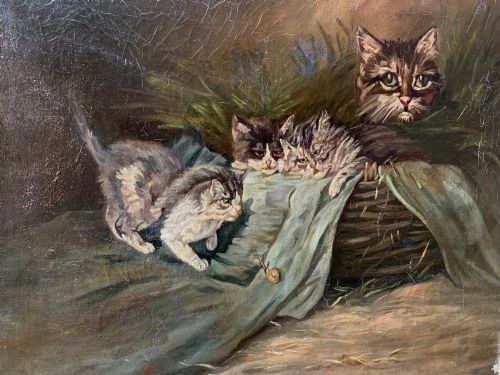
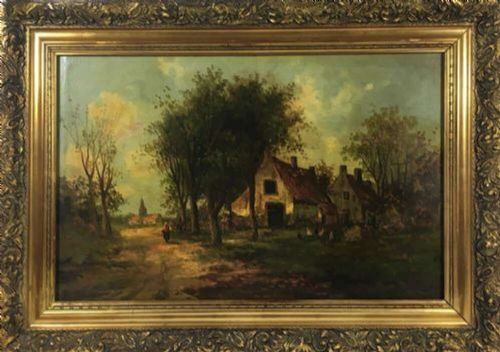
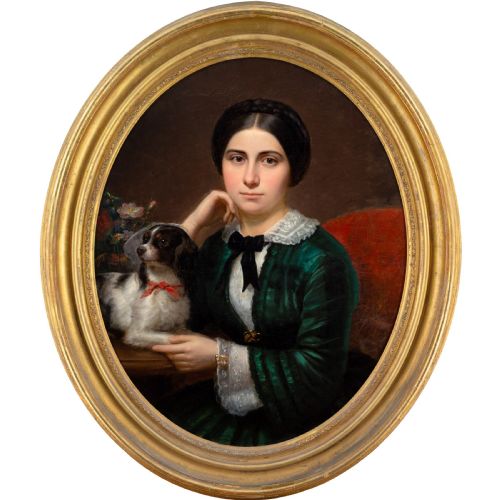
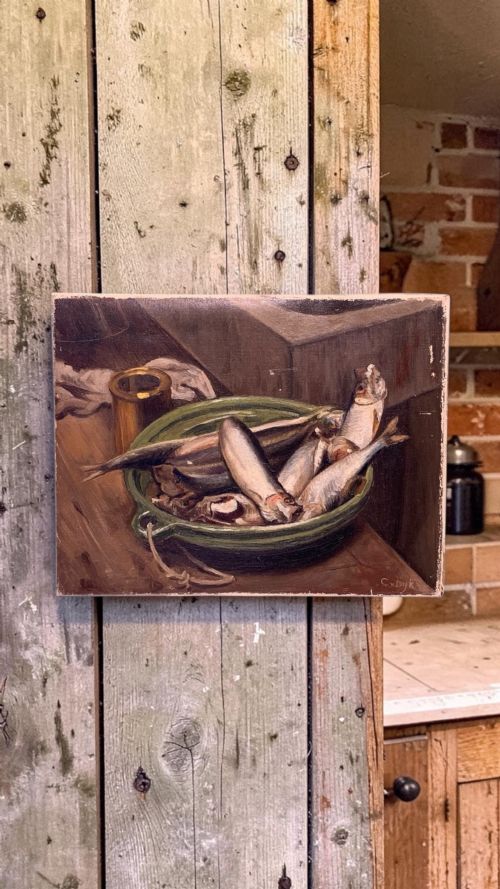
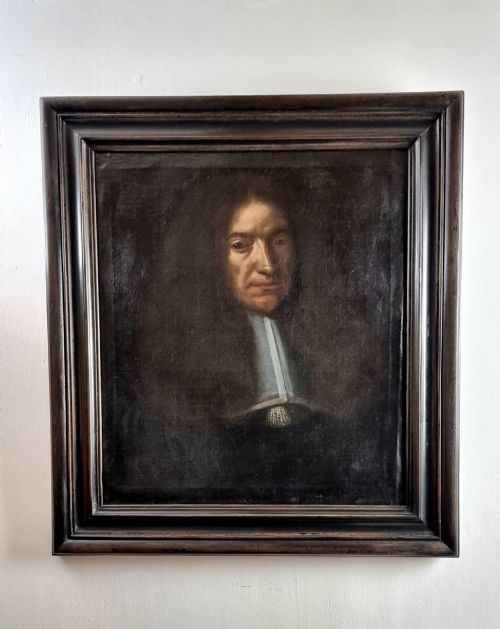
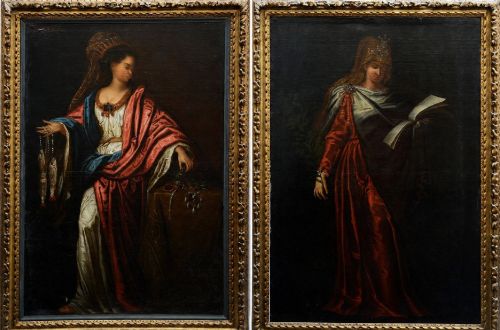
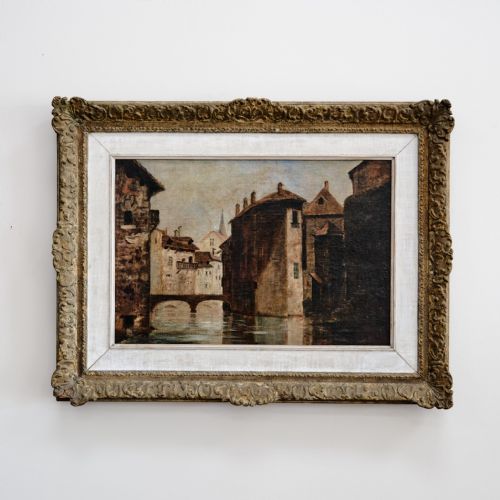
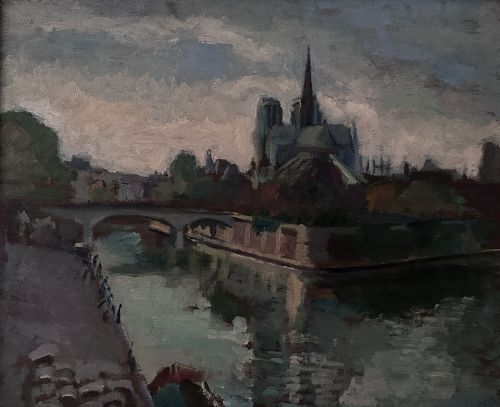
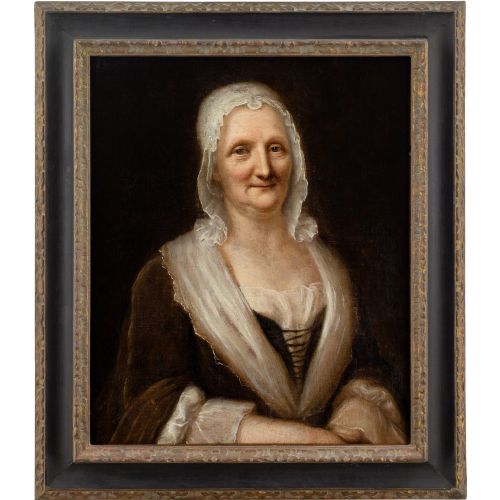
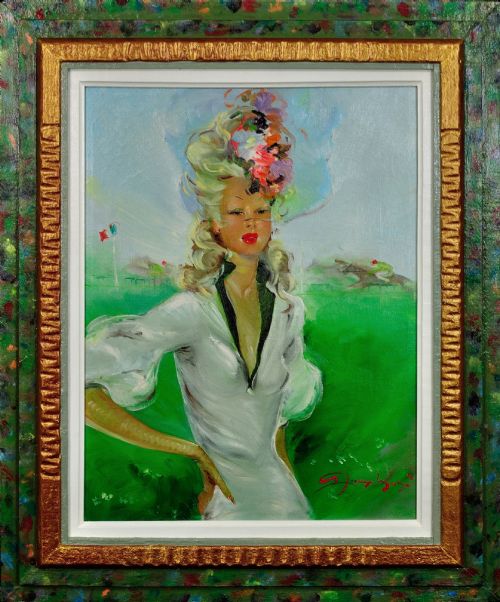
French School Canvas Artwork
French school canvas artwork captures centuries of artistic expression, ranging from detailed classical portraiture to expressive mid-century landscapes.
French School Canvas Artwork
French school canvas artwork encompasses oil paintings originating from France across the eighteenth, nineteenth, and twentieth centuries, spanning portraits, landscapes, and still lifes.
Buyers frequently encounter nineteenth-century examples and Barbizon school rural scenes, along with later impressionist and mid-century compositions.
These works often reflect academic training, regional landscapes, and evolving stylistic movements within European painting traditions.
Determinants of quality
Technical proficiency in handling light, shadow, and anatomy distinguishes masterworks from standard decorative studio output.
The survival of original surface varnish and untouched paint layers preserves the intended chromatic depth and painterly touch.
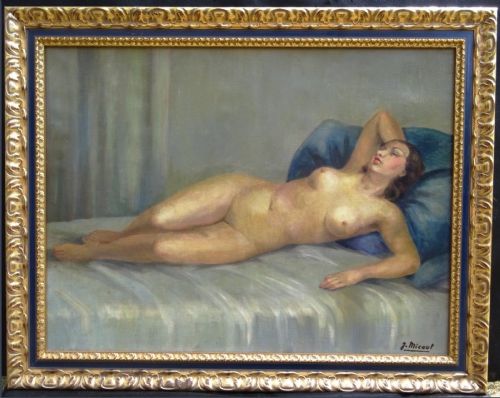
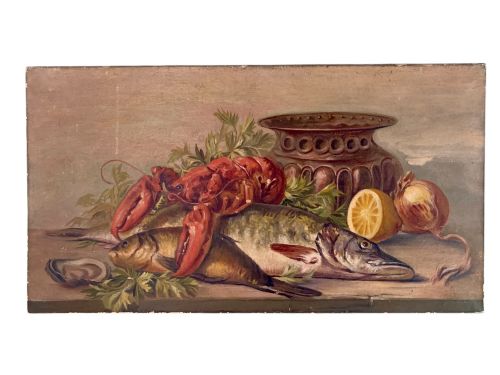
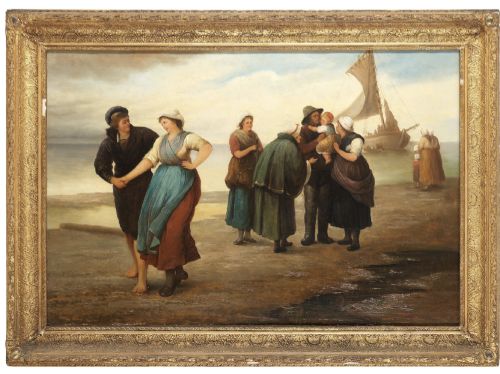
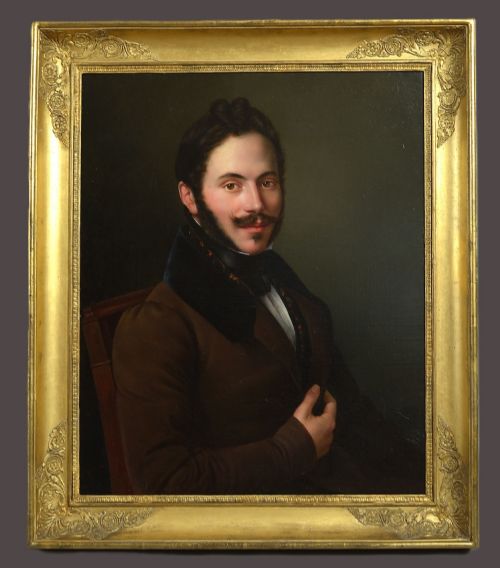
Listings feature canvases spanning from the eighteenth century through the mid-twentieth century, executed in oil on canvas with wood framing.
Edouard Pingret·Joseph Vivienne·Rene Levrel·Honore Cavaroc·Henri Jaques Delpy·Gabriel Dauchot·Alphonse Robert·Thomas Couture
The French School Canvas Artwork Glossary
- Barbizon School
- A nineteenth-century French art movement characterised by realistic landscape painting and a focus on nature. Practitioners often worked directly outdoors to capture natural light.
- Giltwood
- Wood that has been coated with a thin layer of gold leaf or gilt powder. This material is standard for ornate historical picture frames.
- Oil Paint
- A slow-drying paint made by combining pigment particles with a drying oil, typically linseed oil. It allows for rich colour blending and textured brushwork.
- Post-Impressionism
- A French art movement that developed roughly between the late nineteenth century and the early twentieth century. Artists extended impressionist use of vivid colours while adding geometric forms or expressive brushwork.
French School Canvas Artwork: Frequently Asked Questions
How do I identify French school paintings?
Examination of canvas texture, framing style, and subject matter often reveals the period and regional origin of the piece.
Signatures, artist registry records, and historical clothing styles provide further clues for attribution.
What periods are common in these paintings?
The selection includes works from the eighteenth century, the nineteenth century, and twentieth-century movements.
Earlier pieces frequently feature formal portraits, whilst later decades introduce impressionist landscapes and abstract styles.
How should I display antique canvases?
Canvases require stable indoor environments away from direct sunlight and excessive humidity to prevent paint cracking.
Original giltwood frames should be handled with care and kept free from harsh cleaning agents.
Are these works signed by the artist?
Many pieces bear artist signatures or monogram markings, though a significant portion of historical school works remain anonymous.
Attributions are often determined by stylistic comparison, subject matter, and historical provenance.