


French Romantic Bronze
These french romantic bronze pieces bring nineteenth-century figurative sculpture, mantel clocks, and decorative metalwork into your home with dramatic nineteenth-century flair.
French Romantic Bronze
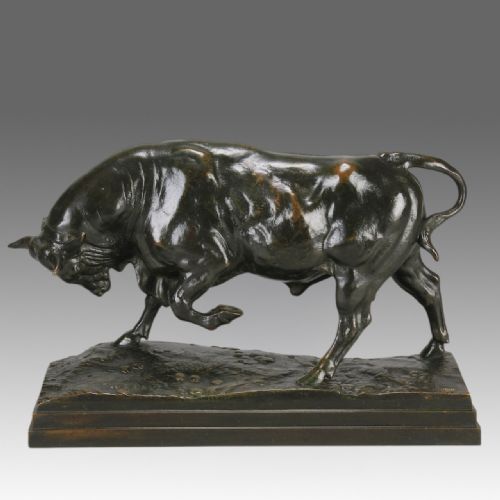
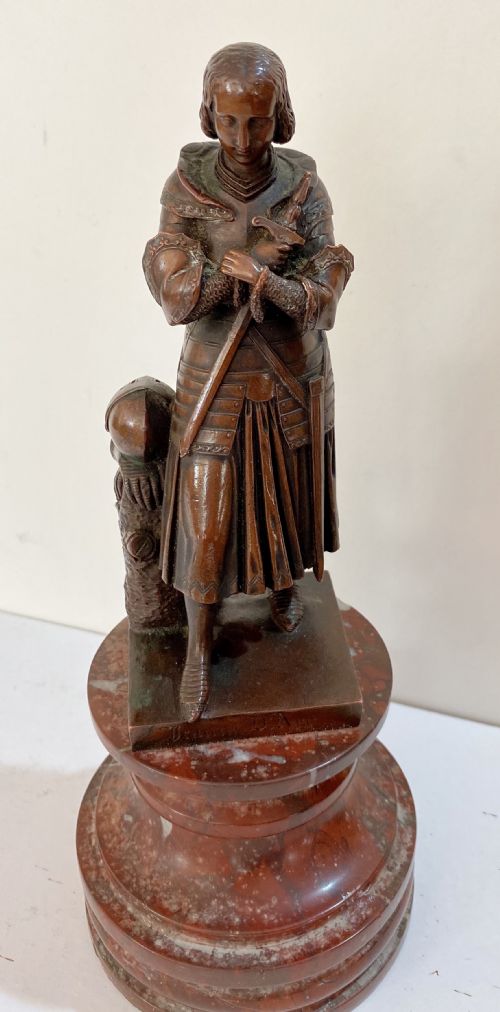
French romantic bronze works encompass nineteenth-century sculptures, mantel clocks, and decorative objects that capture the expressive spirit of the period. When exploring french romantic bronze, you encounter figures ranging from mythological subjects like Cupid to historical heroes and naturalistic animalier studies.
The objects span styles such as French Rococo Revival, Louis XV Revival, and Orientalism, often paired with marble bases or porcelain elements. Figures of dancers, musicians, cavaliers, and maternal scenes dominate the sculptural forms available on this page.
Originating across the nineteenth century, particularly from the eighteen sixties through the eighteen nineties, these works showcase the breadth of French metalwork production. They bridge decorative utility and fine art, appearing as table lamps, comports, and freestanding sculptures.
Materials and Technique
Foundry work relied on bronze cast with either a dark patina or ormolu gilding, frequently mounted on marble plinths. Artisans utilised patinated bronze alongside gilt highlights to create depth and contrast in figurative drapery and anatomical detail.
Complementary materials such as Sevres style porcelain, enamel, and hand-painted Vernis Martin surfaces appear alongside the cast metalwork. This combination of bronze with ceramic and stone defines the composite nature of many clocks, lamps, and decorative vases.
Listings feature nineteenth-century periods alongside materials including bronze, ormolu, marble, and Sevres style porcelain.
Assessing Quality
Quality rests in the crispness of the chasing and the subtlety of the patina, where finer hands preserve intricate facial expressions and delicate textures in hair and fabric. The depth of the dark patina or the richness of the gilt bronze reveals the skill applied after the initial casting process.
The integration of secondary materials, such as finely painted porcelain panels or solid marble bases, dictates the overall refinement of an object. Superior examples display seamless assembly and meticulous detailing that elevate standard decorative items into masterworks of nineteenth-century foundry art.
Antoine Louis Barye·Auguste Moreau·Louis Auguste Moreau·Arthur Waagen·Charles Cumberworth·Jean Jacques Pradier·Salmson·J C De Blezer
The French Romantic Bronze Glossary
- Animalier
- A nineteenth-century sculptural focus on animals in action or repose. Artists like Antoine Louis Barye mastered this genre.
- Ormolu
- Gilt bronze achieved through the application of a mercury-gold amalgam to a bronze base. This technique creates a brilliant golden surface finish.
- Patina
- The surface coloration and sheen developed naturally over time or applied chemically by the foundry. Dark patinas are typical of nineteenth-century French bronzes.
- Sevres style
- Ceramic work emulating the famed French porcelain manufactory, often featuring hand-painted decoration and rich colours.
- Rococo Revival
- A nineteenth-century design movement resurrecting the ornate, asymmetrical curves and natural motifs of the eighteenth century.
French Romantic Bronze: Frequently Asked Questions
How do I clean antique bronze?
Dust gently with a soft, dry brush to protect the original patina.
Avoid chemical polishes that strip away historical surface finishes.
What periods do these bronzes cover?
The selection spans the nineteenth century, with specific dates appearing from eighteen sixty to eighteen ninety.
Revival styles and romantic themes dominate this extended Victorian era.
Are marble bases original to the sculptures?
Many nineteenth-century bronzes were cast specifically to sit upon fitted marble plinths.
These heavy stone bases provided necessary stability for dynamic figurative compositions.
How do mantel clocks function today?
Mechanical clock movements require professional servicing and careful winding to maintain accurate time.
Many survive as decorative sculptural objects alongside their original clockwork.