





French Rococo Oval Gilt Mirror
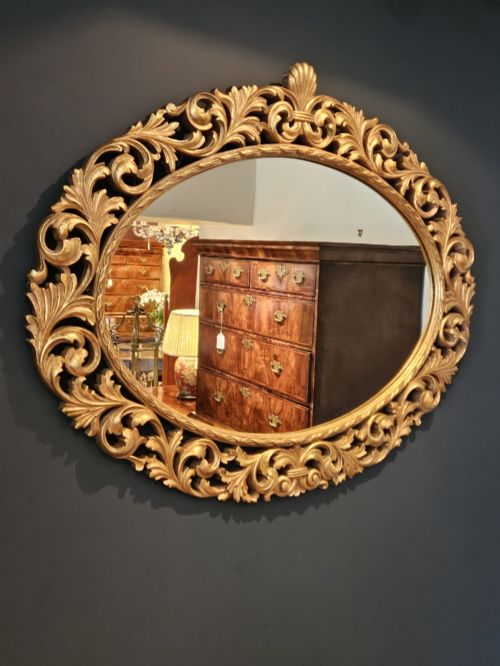
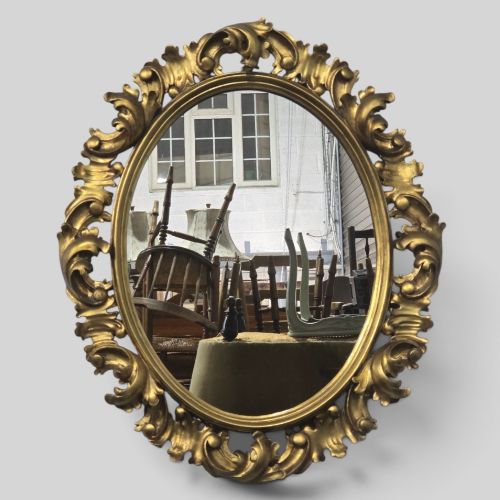
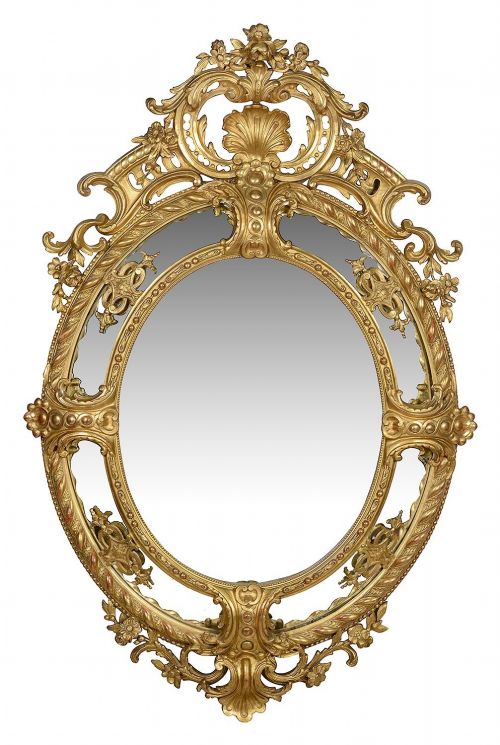
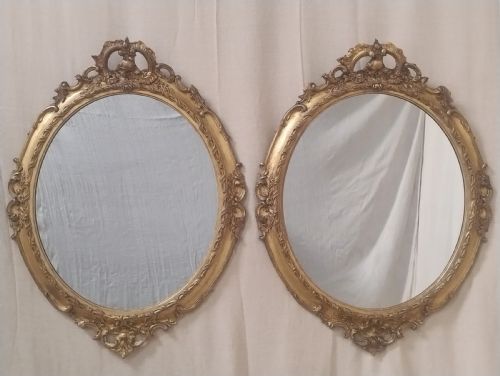
A french rococo oval gilt mirror brings asymmetric flourish and warm metallic reflection to a room, drawing the eye with pierced scrolls and floral motifs.
French Rococo Oval Gilt Mirror
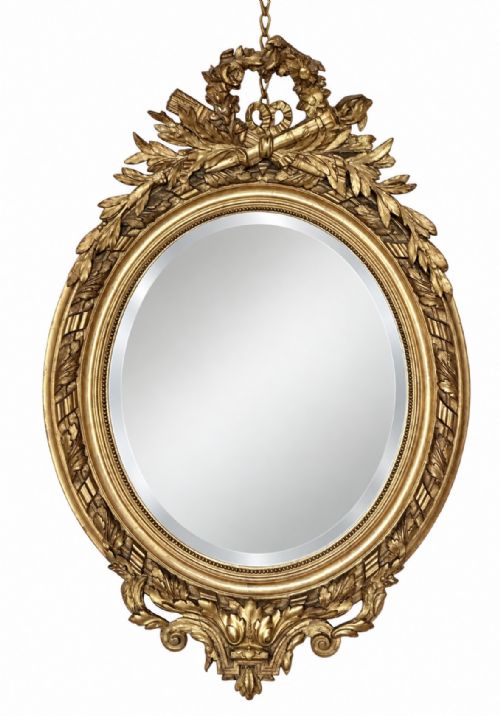
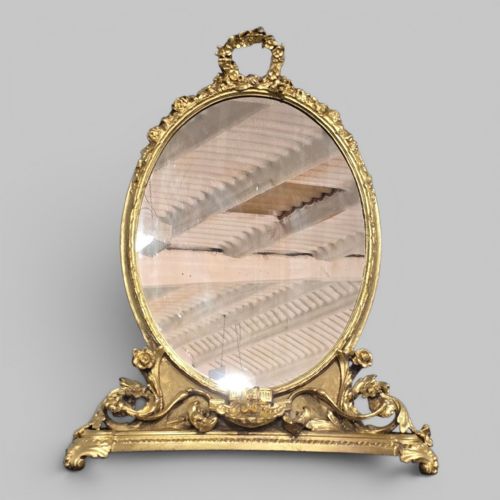
When searching for a french rococo oval gilt mirror, a buyer encounters wall-hanging, overmantel, and dressing table forms shaped by the nineteenth century. The typical example on this page follows nineteenth-century revivals of Louis XV taste, featuring serpentine wooden frames and vertical oval proportions.
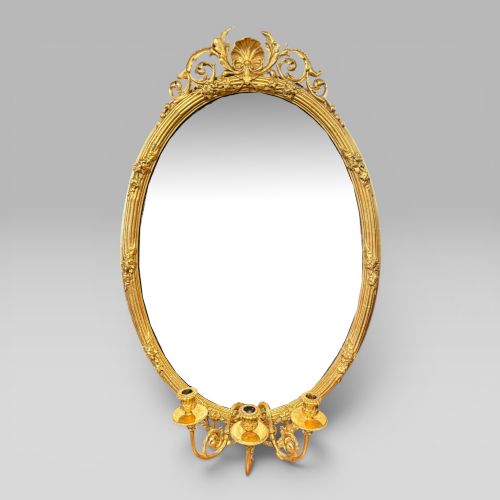
The evidence shows these pieces span wall mirrors, toilet mirrors, and girandoles designed to reflect candlelight or daylight in formal rooms. Many pieces adopt the French Chateau or Belle Epoque idiom, combining deep curves with compact dimensions suited to mantelpieces and boudoirs.
Materials and construction methods
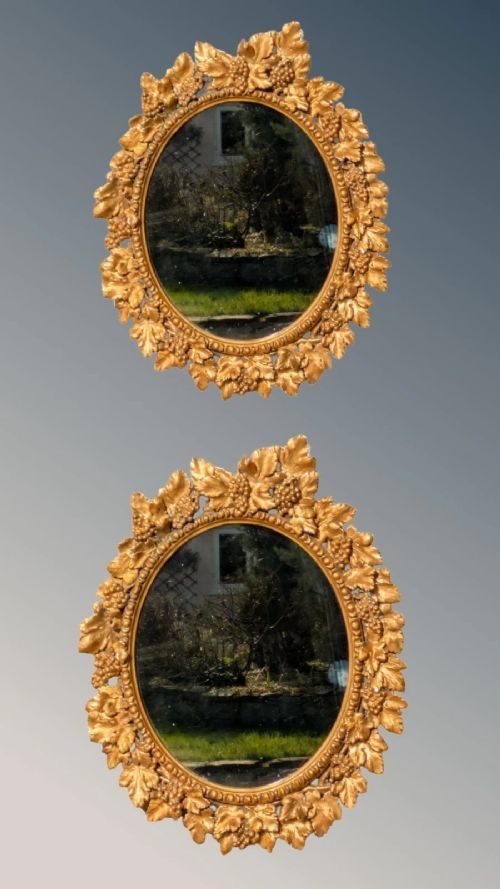
Makers shaped timber frames from carved wood, applying gesso and composition layers to build up intricate scrollwork and floral relief. Gold leaf or gilding provided the metallic sheen characteristic of the period.
Glaziers set mirror glass into the rebated frames, sometimes incorporating bevelled edges or retaining older plates alongside newer glass. Gilt brass and bronze appeared on specific fittings and smaller table models.
Some girandole mirrors feature tiny candle arms designed to bounce flickering candlelight across gilded maidens' heads during evening dinner parties.
Judging quality and craftsmanship
Quality rests upon the crispness of the hand-carved wooden relief beneath the gesso compared to moulded composition ornament. Deeper undercutting and sharper leaf tendrils indicate superior workshop execution.
The integrity of the original gold leaf finish relative to later overpainting dictates the visual weight of the surface. Surviving backing boards and undisturbed mirror plates also separate fine specimens from heavily restored examples.
The French Rococo Oval Gilt Mirror Glossary
- Giltwood
- Timber coated in gold leaf applied over a prepared gesso ground. This method produces a warm, reflective surface that patinates gradually with age.
- Gesso
- A plaster mixture spread over wood to create a smooth base for carving or moulding. It accepts fine detail before gilding takes place.
- Composition
- A moulded paste of whiting, resin, and glue pressed into shape. Makers used it for repetitive ornament alongside hand-carved sections.
- Girandole
- A wall mirror featuring attached candle sconces. The candle arms multiply the available light within a room.
- Rococo Revival
- A nineteenth-century design movement mimicking the asymmetrical curves and shell motifs of the eighteenth century. It dominates the decorative vocabulary of these mirrors.
French Rococo Oval Gilt Mirror: Frequently Asked Questions
Where should I hang an oval mirror?
These oval pieces suit fireplace overmantels, hallway piers, and above dressing tables where their vertical curves balance rectilinear joinery. Their proportions break up flat expanses of wallpaper or panelling.
Ensure the wall fixings engage directly with studs or masonry because ornate gilt frames carry substantial weight from their timber and plaster construction.
How do I distinguish nineteenth-century revival from earlier work?
Nineteenth-century revival pieces display machine-rolled glass and composition ornament mixed with carved wood. Earlier eighteenth-century originals reveal hand-beaten plates and different timber density under the gesso.
Examine the backboards and fixing nails, as older hand-forged screws and panel construction differ markedly from later industrial methods.
Can I clean the gilded surface safely?
Dust the carved frame gently with a soft dry brush to remove particles without disturbing delicate gesso relief. Avoid liquid cleaners or chemical agents that strip fragile gold leaf.
Clean the glass plate using a cloth dampened slightly with water or mild glass cleaner, taking care not to let moisture touch the frame joints or backing.
What causes the dark spots on old mirror glass?
Foxing occurs when moisture penetrates the silver or mercury backing behind the glass over decades of atmospheric exposure. It appears as small dark speckles or cloudy patches across the reflection.
Many collectors prize this characteristic as proof of age, provided the foxing does not obscure the primary reflection entirely.