
French Rococo Ormolu Appliques
French rococo ormolu appliques bring the decorative splendour of eighteenth-century rooms to your walls through cast metal lighting and ornamentation.
French Rococo Ormolu Appliques
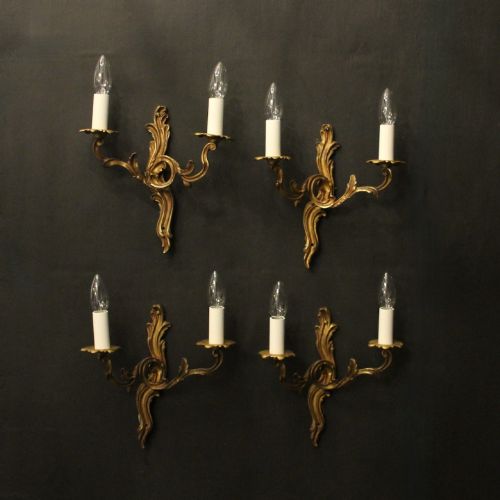
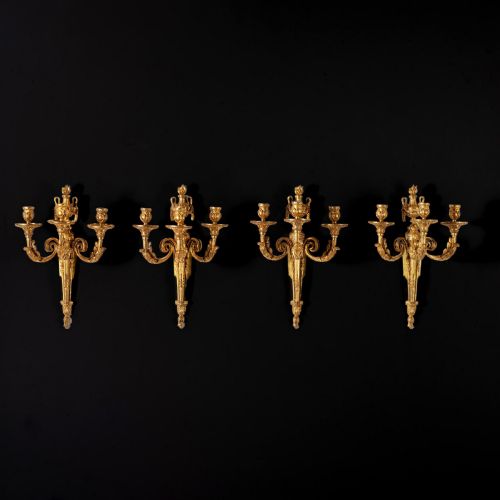
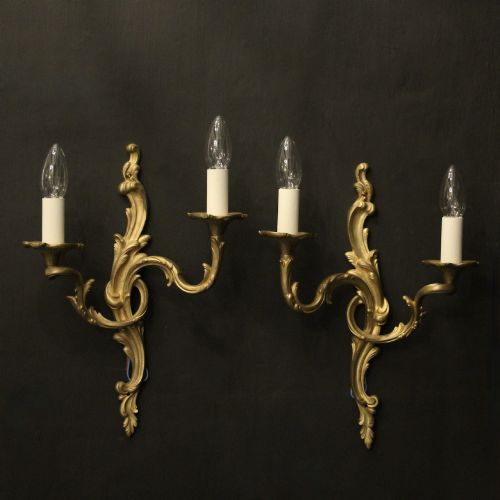
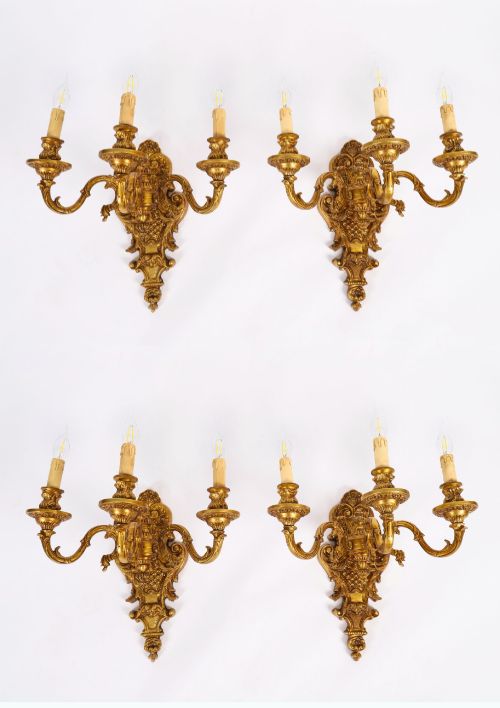
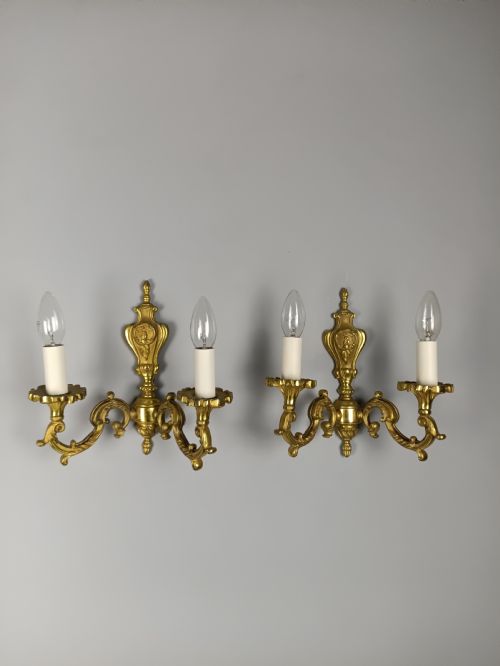
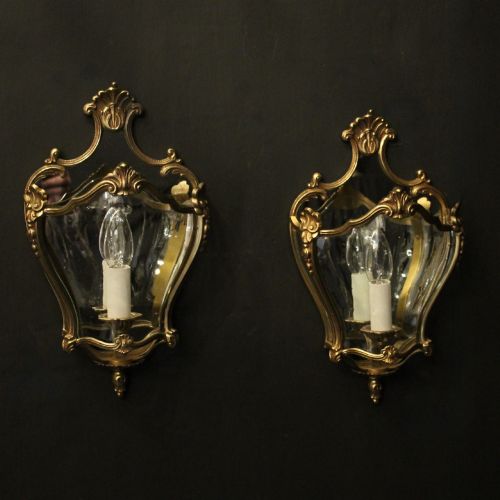
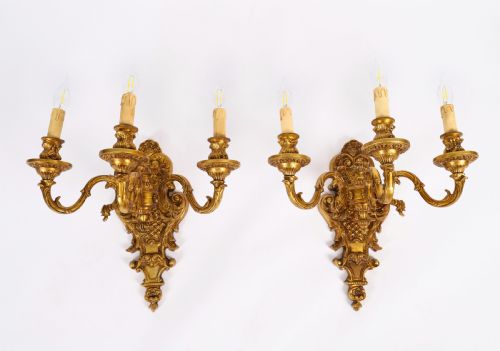
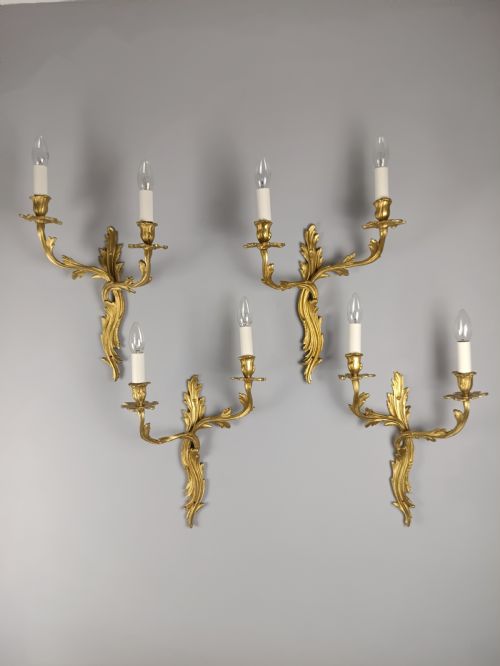
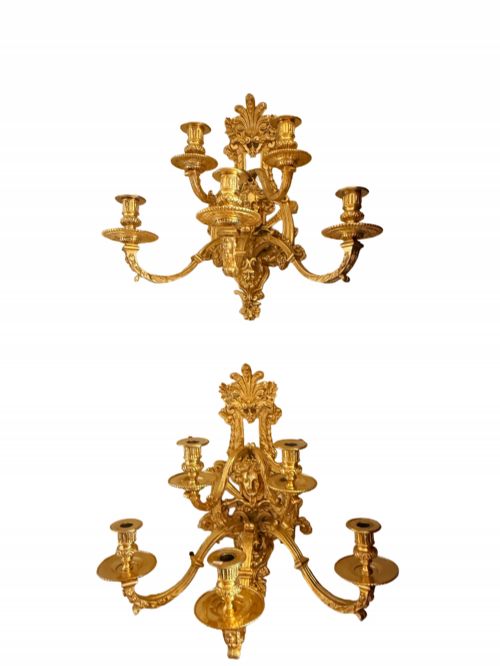
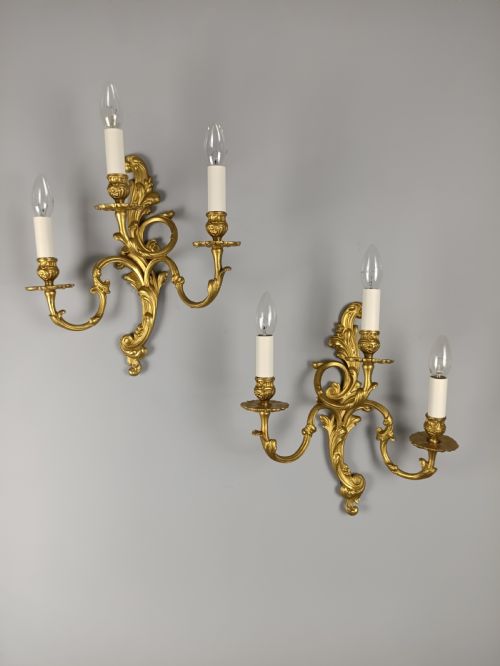
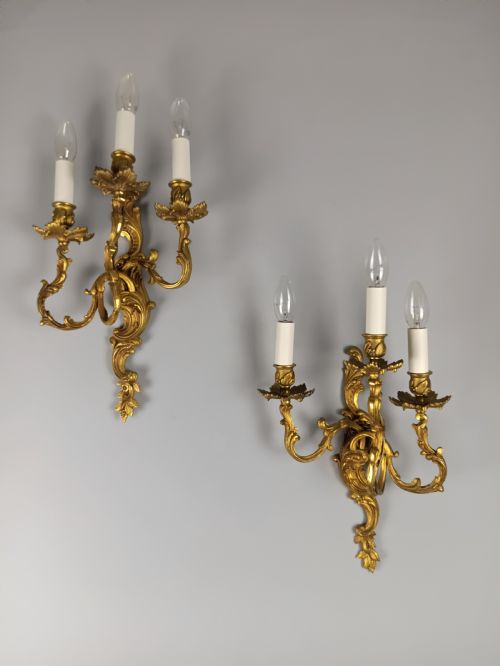
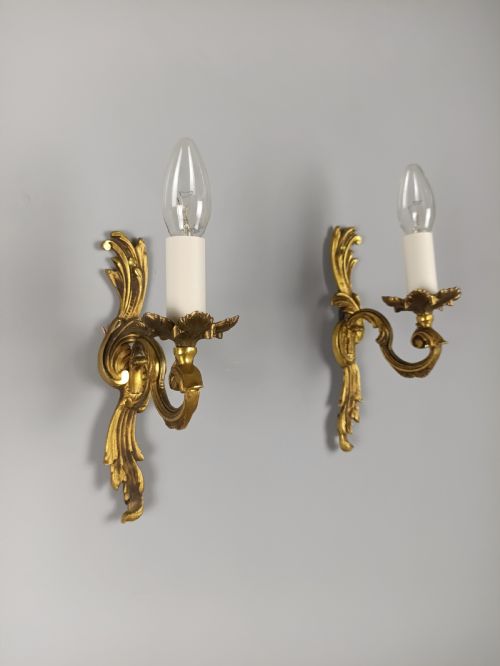
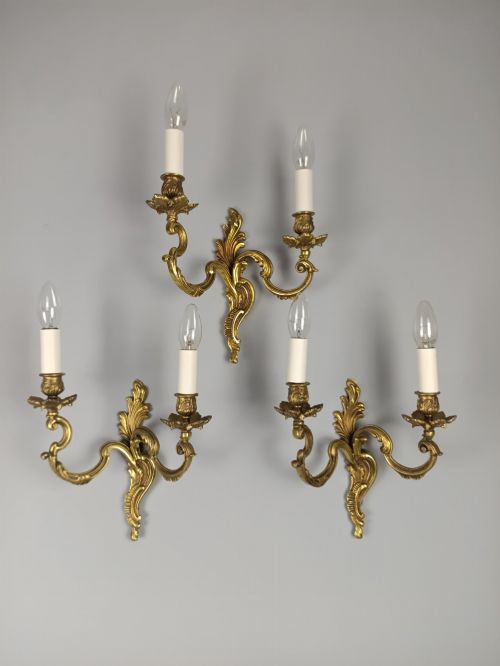
French rococo ormolu appliques comprise wall lights, sconces, and furniture mounts shaped in asymmetrical, curving forms derived from eighteenth-century design. These pieces include single-arm, twin-arm, and triple-arm wall lights alongside decorative mounts and finials.
The pieces you meet most often on this page date from the nineteenth and early twentieth centuries, spanning periods from eighteen hundred through to nineteen thirty. Many reflect the Louis XV and Rococo Revival styles with scrollwork, naturalistic motifs, and branches.
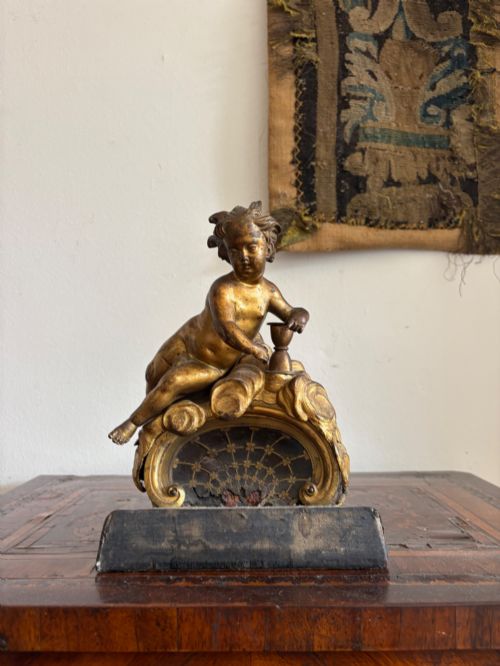
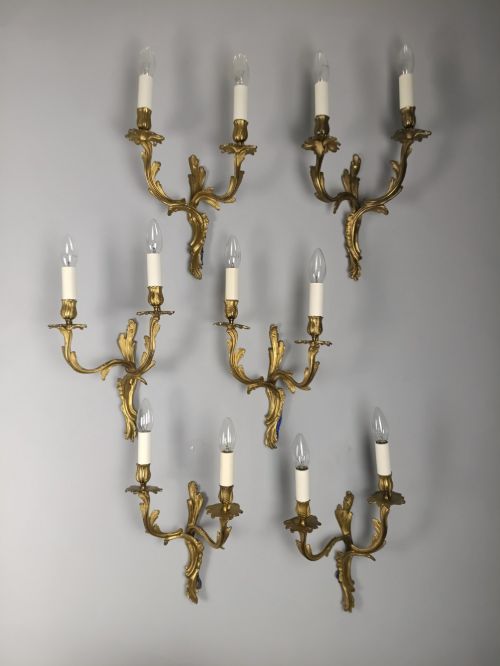
The selection ranges from matched pairs of multi-branch wall lights to larger sets of four or six lights. Alongside lighting, the category includes individual decorative elements like putto finials and mounts.
How they were made
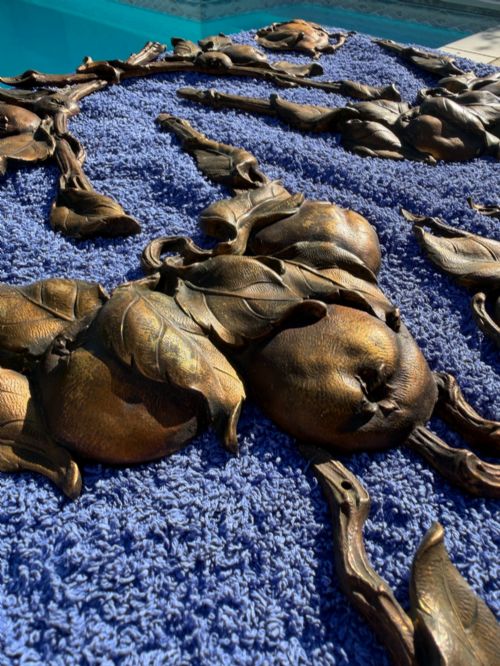
Makers shaped these items using bronze, brass, and metal substrates cast into complex, curving forms. Artisans then applied gilding or ormolu finishes to produce a bright, metallic surface.
Techniques combined metalcasting with chased surface detailing to achieve the characteristic scrollwork and foliage of the rococo style. Certain wall lights incorporate added elements such as porcelain flowers or crystal drops.
Object forms on this page range from multi-arm wall sconces and half lanterns to furniture mounts and putto finials.
What varies in quality
The precision of the casting and the crispness of the chased surface details define the visual strength of each piece. Finer examples display deeply defined scrolls and natural motifs without blurring.
Weight and substance vary according to the metal used, with heavier bronze castings offering a different presence to lighter brass iterations. The quality of the gilding layer also shapes the depth of the metallic finish.
Poix Blin
The French Rococo Ormolu Appliques Glossary
- Ormolu
- A gold-coloured bronze or brass alloy applied to metal objects to provide a gilded surface. This technique creates the bright metallic appearance seen on antique wall lights.
- Appliques
- Ornamental wall-mounted fixtures designed to hold candles or electric bulbs. They function as both lighting and decorative wall ornaments.
- Rococo Revival
- A nineteenth-century design movement that revived the asymmetrical scrolls and curving motifs of the mid-eighteenth century. This style dominates the forms of these wall lights and mounts.
- Finial
- A decorative ornament placed at the apex of an object or furniture piece. These small mounts complete the design of larger decorative ensembles.
French Rococo Ormolu Appliques: Frequently Asked Questions
What are french rococo ormolu appliques?
These items are decorative wall lights and metal mounts designed in the asymmetrical, curving manner of the eighteenth century. They take the form of wall sconces and candelabras meant to be fixed directly to a wall.
Most examples found here originate from the nineteenth and early twentieth centuries, capturing the revival of Louis XV styles through cast metal work.
How were these wall lights used?
Original interiors utilised these fixtures to hold candles, distributing reflected light across rooms from wall positions. They served a dual purpose as functional illumination and ornate wall decoration.
Many surviving pieces have since been adapted for electricity to suit contemporary living spaces while retaining their original decorative positioning.
How do you tell periods apart?
Earlier pieces from the eighteenth century display hand-chased details specific to period bronze work, whereas later nineteenth and twentieth-century revivals often utilise standardised casting methods. Examining the weight of the metal and the nature of the gilding provides clues to the date.
Style indicators such as the tightness of the scrollwork and the presence of specific revival markers help distinguish between eighteenth-century originals and later interpretations.