
French Rococo Bronze
When you search for french rococo bronze, you encounter opulent mirrors, clocks and wall lights shaped by extravagant 18th-century design traditions.
French Rococo Bronze
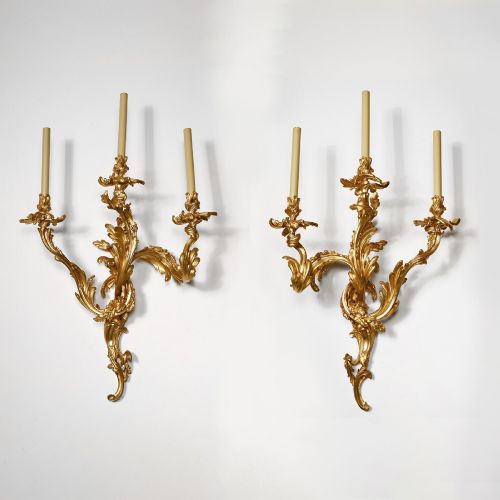
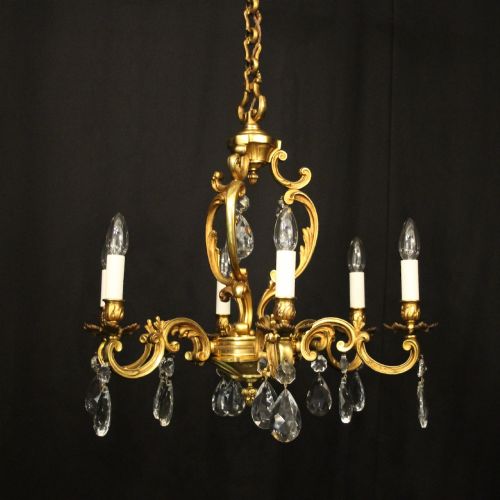
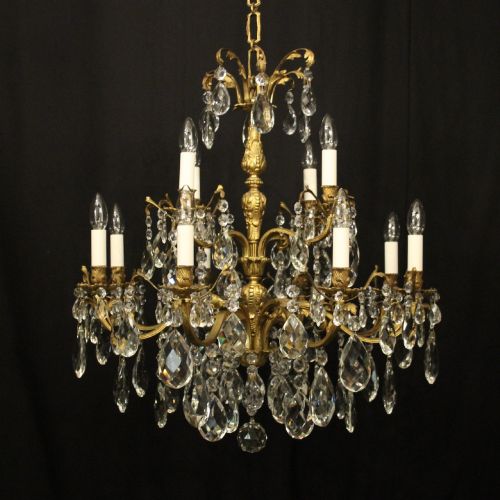
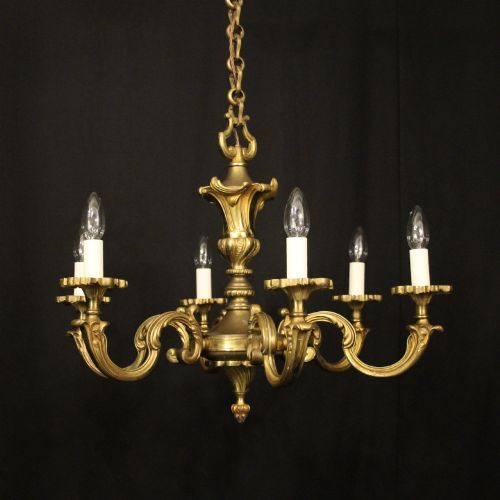
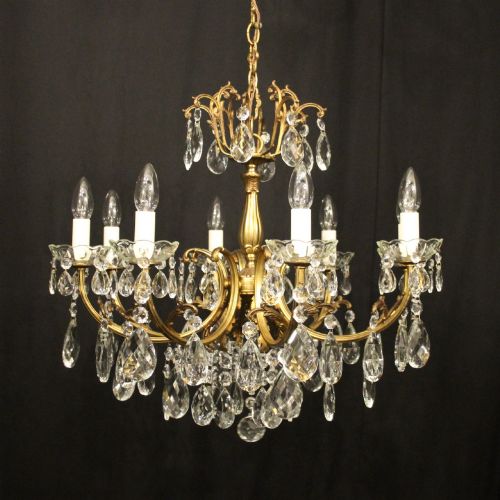
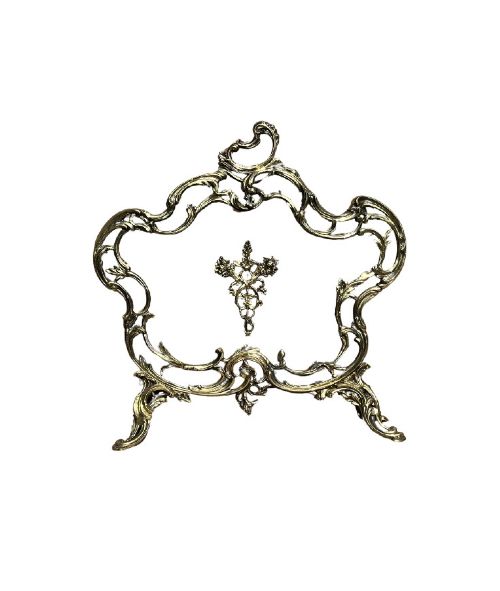
French rococo bronze pieces encompass decorative objects and furnishings created during the 18th century as well as later revivals spanning the 19th and early 20th centuries. The objects appearing most frequently include multi-light wall sconces, mantel clocks housing movements by makers like Japy Freres or Samuel Marti, and intricate firescreens. These items reflect the asymmetrical scrolls, naturalistic floral motifs and C-scrolls characteristic of the Louis XV style.
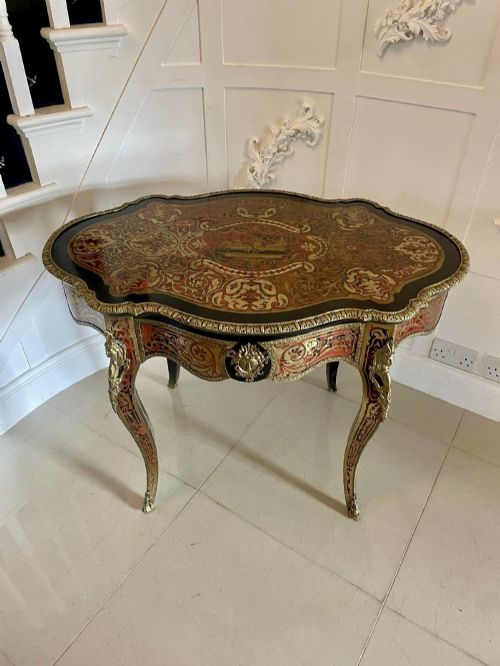
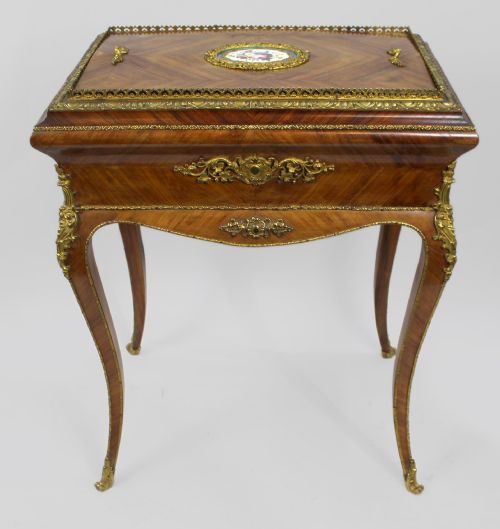
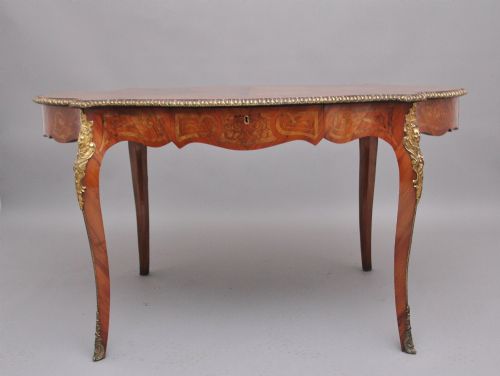
Buyers will most commonly meet 19th-century interpretations of these designs, often catalogued under Louis XV Revival or Rococo Revival styles. These later pieces draw heavily upon the exuberant aesthetic of the original period while utilising contemporary manufacturing methods. Wall lights and mantel clocks from the 1880s to the 1930s dominate the available selection, alongside occasional tables mounted with gilt bronze.
How They Were Made
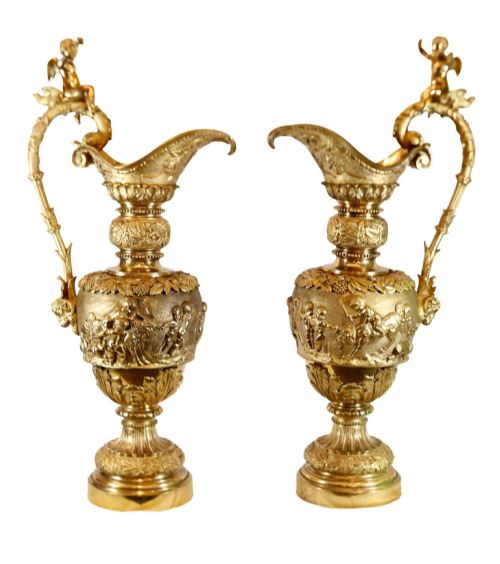
The manufacture of these objects relies heavily on bronze casting combined with mercury gilding or modern electroplating to produce the characteristic bright, reflective surface known as ormolu. Artisans chased the cast bronze surfaces by hand using small chisels and punches to sharpen details such as acanthus leaves and scrolling foliage. Cabinetmakers then mounted these gilt bronze ornaments onto structural carcasses made from timbers like kingwood, mahogany and walnut.
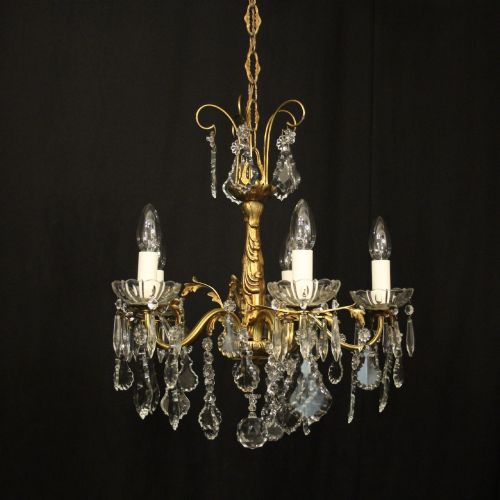
Many items incorporate supplementary materials such as Sèvres porcelain plaques, white marble, champlevé enamel or cut glass crystals. Clocks and barometer cases frequently pair bronze mounts with slate or glass panels, requiring precise coordination between metalworkers, horologists and porcelain painters.
Dolphin motifs occasionally swim across the bronze bases of French mantel clocks, bringing an unexpected aquatic charm to the drawing room.
What Varies In Quality
The distinction between ordinary production and exceptional quality rests primarily on the depth and crispness of the bronze chasing. Superior items display sharp undercutting and hand-finished detailing that remains clean even in recessed areas, whereas lesser examples exhibit soft, rounded edges resulting from worn casting moulds. The quality of the gilding also differs markedly, with premier pieces retaining a warm, deep lustre rather than a flat, brassy shine.
Structural integrity and the integration of mounts dictate the standard of furniture and clocks. Top-tier pieces feature mounts tailored precisely to the contours of the wood or marble beneath, secured with original fixings rather than later replacements. The inclusion of signed clock movements or documented cabinetmaker stamps elevates the standing of an object considerably.
Achille Brocot·Samuel Marti·François Linke·Jacques Bircklé·Japy Freres·Vincenti·Henry Marc·Joseph-Emmanuel Zwiener
The French Rococo Bronze Glossary
- Ormolu
- Gilded bronze, where a layer of gold is applied to a base of cast bronze using mercury amalgamation or modern electroplating techniques. This finish provides the characteristic rich metallic sheen seen on mounts and clocks.
- Chasing
- The manual post-casting process of refining and detailing metal surfaces using small steel punches and hammers. High-level chasing distinguishes masterwork bronzes from plain commercial castings.
- Vernis Martin
- A type of simulated Japanese lacquer developed in France during the 18th century and reproduced in later revival furniture. It involves multiple layers of translucent varnish applied over painted decoration.
- Cartel clock
- A wall-mounted clock housed in an ornate, asymmetrical frame made of gilt bronze or ormolu. These pieces were designed to be hung directly on wall fastenings in drawing rooms.
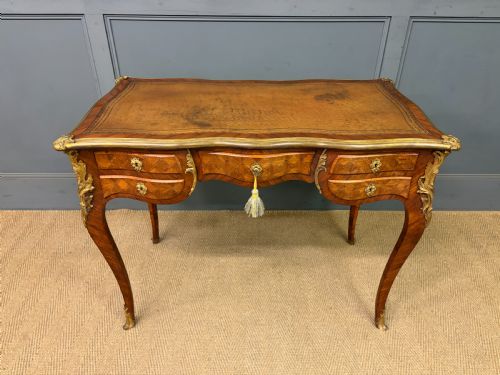
- Bureau plat
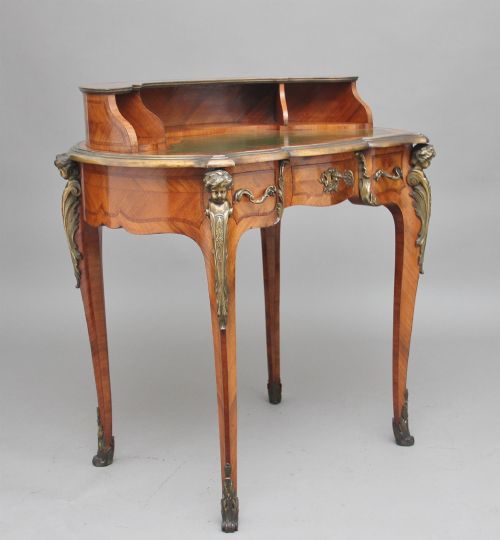
- A freestanding double-sided writing desk featuring a leather-lined top and substantial bronze or ormolu mounts along the frieze and legs. They typically date from the 18th century or subsequent 19th-century revivals.
French Rococo Bronze: Frequently Asked Questions
How do I identify a 19th-century revival piece?
Nineteenth-century revival pieces often display mechanical consistency in their construction methods, utilising machine-sawn timbers alongside hand-chased bronze mounts. Examining the interior framework and fixing screws usually reveals the technological standards of the later period.
Makers active during the 19th century frequently stamped clock movements or bronze components with factory marks, such as those belonging to Japy Freres or Samuel Marti, which helps establish a reliable date of manufacture.
Where were wall lights placed originally?
Wall lights and sconces were positioned around formal salons and drawing rooms to reflect candlelight from mirrors and polished surfaces. Their reflective gilt bronze arms amplified the limited illumination available during the evening.
In modern interiors, these fixtures are frequently wired for electricity and installed beside fireplaces, artwork or doorways to provide accent lighting.
What is the difference between bronze and ormolu?
Bronze is an alloy composed primarily of copper and tin, used to cast the physical structure of the object. Ormolu refers specifically to the gilded surface finish applied to that bronze.
While all ormolu involves bronze beneath, not all bronze objects are gilded; some retain a dark bronze patina without gold leaf or electroplated layers.
How should I clean gilt bronze surfaces?
Gilt bronze requires gentle dusting with a soft, dry brush to prevent the accumulation of dirt within the intricate chased recesses. Moisture and abrasive chemical cleaners must be avoided entirely, as they strip the delicate gold layer from the metal.
Professional conservation is recommended if tarnishing or grime obscures the underlying detail of the chasing.