
French Rococo Brass Light
French rococo brass light fixtures bring asymmetric vitality and scrolling leaf motifs into interior spaces through chandeliers, wall sconces, and lanterns.
French Rococo Brass Light
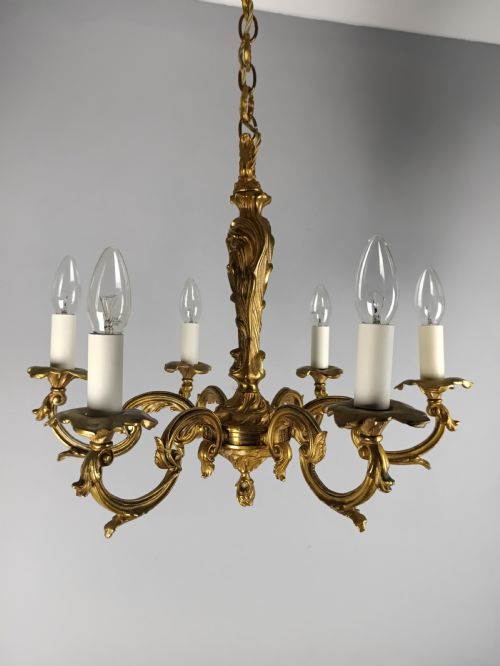
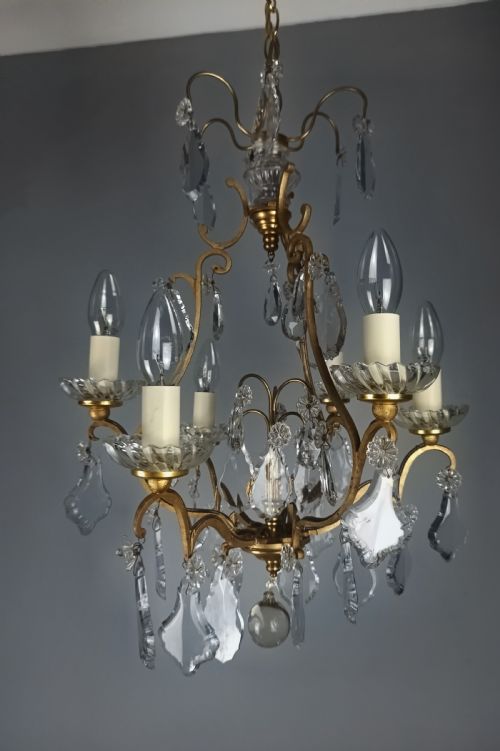
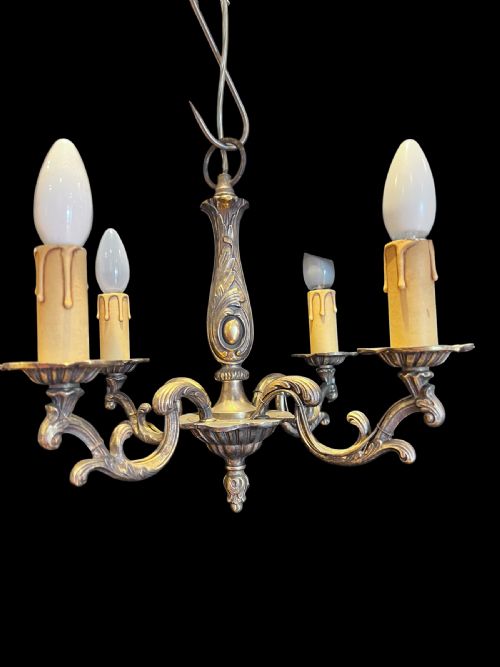
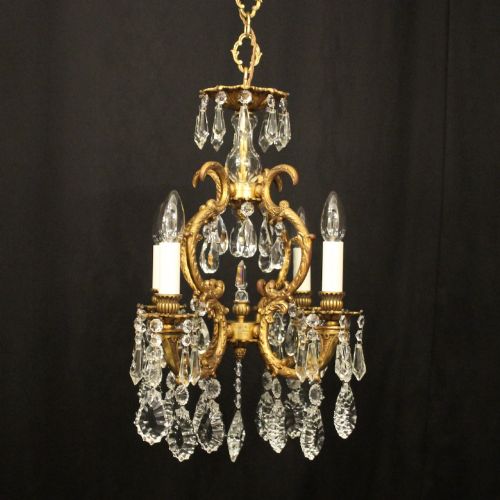
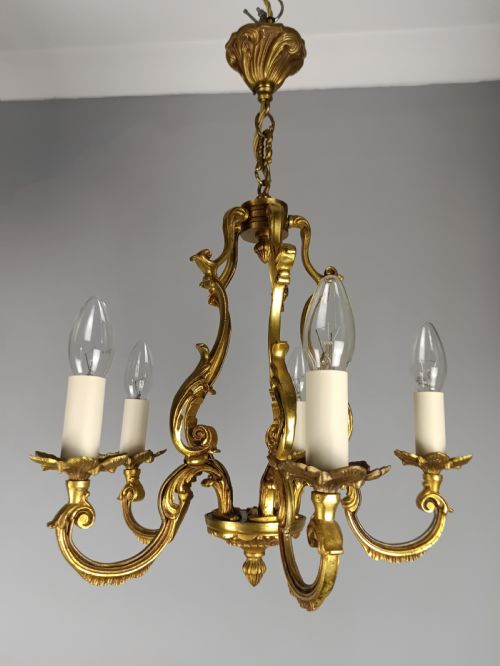
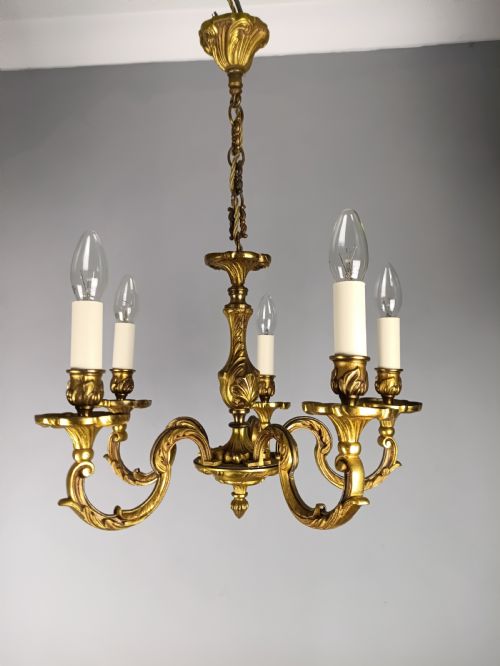
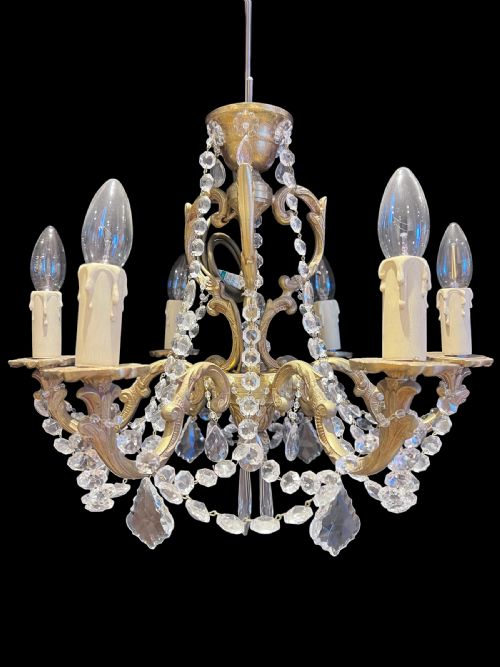
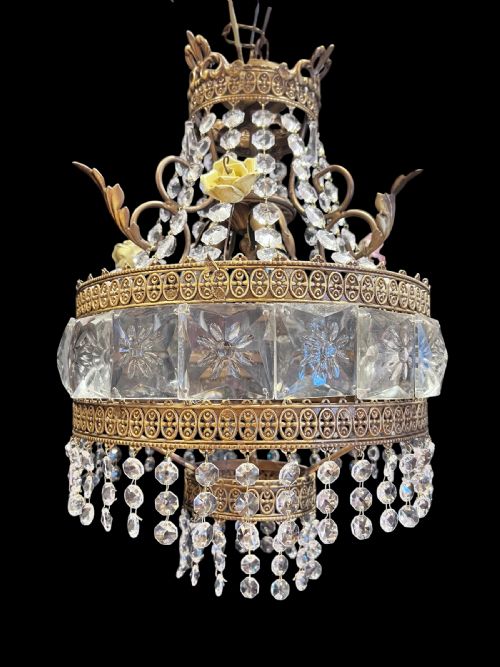
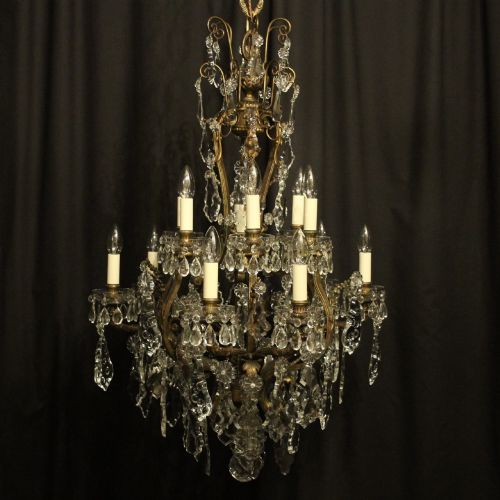
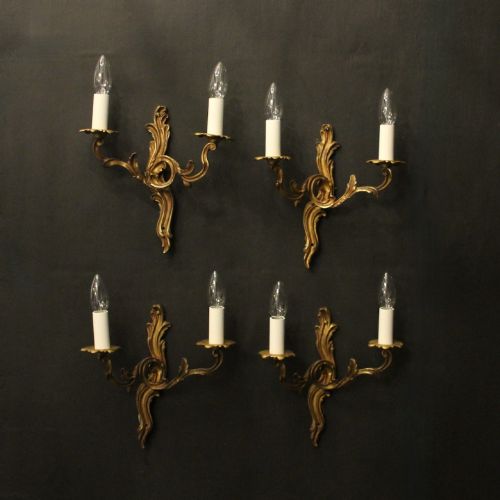
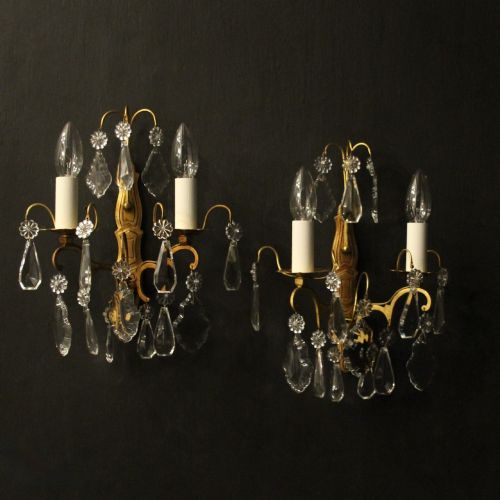
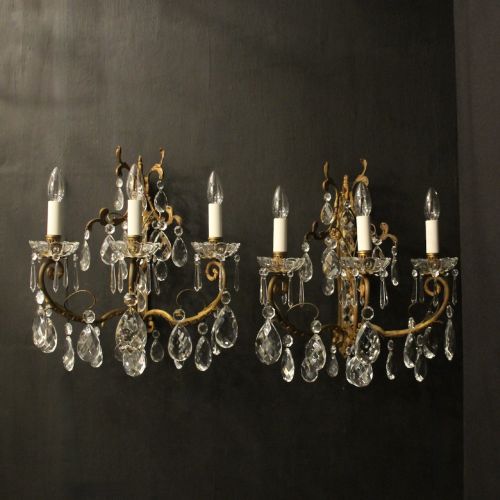
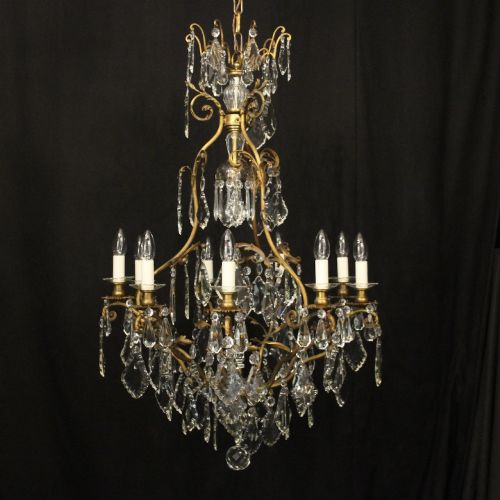
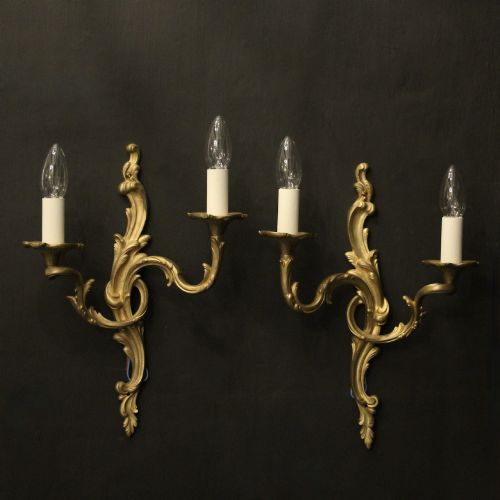
When searching for a french rococo brass light, buyers encounter ornate pieces derived from Louis XV styles, including multi-arm chandeliers, twin-arm wall appliques, and hanging glass lanterns. The inventory on this page consists predominantly of 19th-century and early 20th-century adaptations, ranging from 1860s wall mirrors with candelabras to 1930s gilt brass sconces.
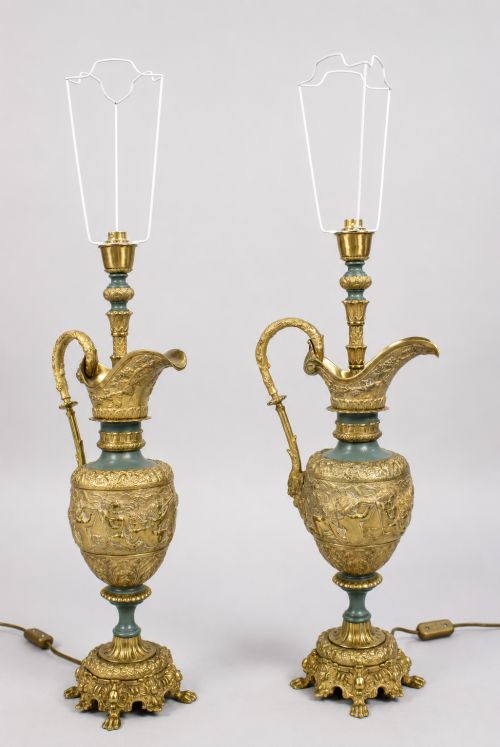
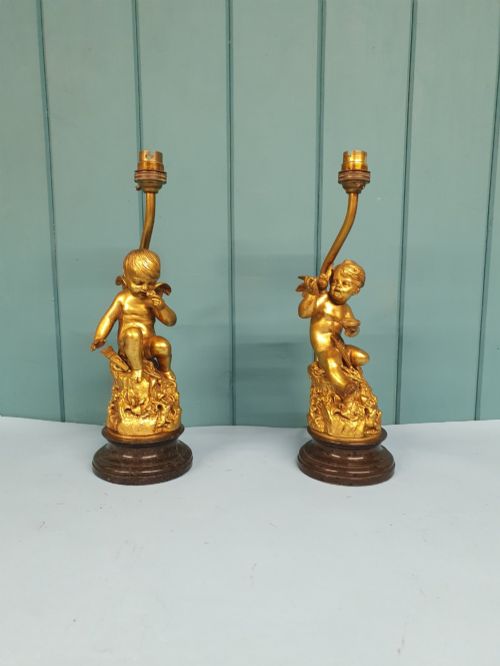
Forms span from large twelve-light crystal chandeliers down to single-arm wall lights and table lamps featuring cherubs or porcelain flowers. Many examples adopt the French Chateau or Rococo Revival aesthetic, translating organic curves and scrolling foliage into durable metal frameworks.
Materials and Construction
Makers utilised brass, bronze, and metal substrates finished with gilding, ormolu, or a dark bronze patina. Many light fittings incorporate crystal droplets or cut glass elements that catch and refract illumination from multiple candle or bulb branches.
Construction techniques involve casting metal into intricate scrollwork and floral motifs, often assembling chandeliers and wall lights from several component arms. Lanterns frequently combine brass frames with etched or clear glass panels to enclose the light source.
The listings span from the mid-nineteenth century through the 1930s, featuring brass, gilt bronze, and crystal.
Evaluating the Pieces
Quality in these lighting pieces rests on the crispness of the cast ornamentation and the depth of the gilding or ormolu. Finer examples display deeply chased scrollwork and naturalistic leaf detailing rather than soft or repetitive moulded patterns.
The integration of materials also defines the tier of a piece, such as the clarity of cut glass crystals and the precision of assembly in multi-light chandeliers and sconces. Heavier gauge brass and bronze provide structural integrity to larger wall lights and multi-arm fixtures.
The French Rococo Brass Light Glossary
- Ormolu
- A technique of applying finely ground high-carat gold to a bronze object, creating a rich golden finish found on many high-end French light fittings.
- Sconce
- A wall-mounted lighting fixture designed to hold candles or electric bulbs, frequently seen in pairs or sets with twin or triple arms.
- Girandole
- An ornamental branched candlestick or light fixture, often incorporating a mirror to reflect illumination.
- Chandelier
- A large, decorative hanging ceiling light with multiple arms for lamps or candles, commonly featuring crystal drops in this category.
- Louis XV Style
- An 18th-century design aesthetic characterised by asymmetry, C-scrolls, and organic plant forms, heavily revived in later lighting pieces.
French Rococo Brass Light: Frequently Asked Questions
How do I install antique wall lights?
Many wall lights from this period were originally designed for candles or early wiring and require modern mounting brackets. Professional electricians usually adapt the internal wiring to meet current safety standards while preserving the exterior brass or bronze frame.
Securing heavier bronze and brass sconces requires solid wall anchors due to the substantial weight of the cast metal arms and crystal attachments. Ensuring proper junction box placement behind the backplate keeps the installation stable and flush against the wall.
Are these lights wired for modern use?
A significant portion of the chandeliers and wall sconces found in these listings have been rewired for contemporary electrical standards. Some items retain older configurations, so checking the specific details helps determine if rewiring is necessary before installation.
For pieces requiring electrical updates, modern internal components fit neatly inside standard brass and bronze body frames. This allows historic fixtures to function safely in modern homes without altering their exterior appearance.
How do I date an antique chandelier?
Dating relies on examining the casting methods, the composition of the brass or gilt bronze, and the style of the mounting hardware. Pieces originating in the mid-to-late 19th century often display heavier hand-chasing compared to later 20th-century reproductions.
Associated details like the cut of the crystal drops, wiring remnants, and construction screws offer further chronological clues. Comparing the piece to documented examples from the 1860s through the 1930s narrows down the likely period of manufacture.
What is the difference between ormolu and gilt brass?
Ormolu specifically refers to mercury gilding applied to a bronze base, producing a warm, enduring golden lustre typical of finer French decorative arts. Gilt brass involves applying a gold-coloured finish or gold leaf to a less expensive brass substrate.
While both materials create a bright metallic appearance, ormolu generally indicates a higher tier of manufacture and material cost. Close inspection of the surface texture and weight helps differentiate between solid gilded bronze and plated brass alternatives.