

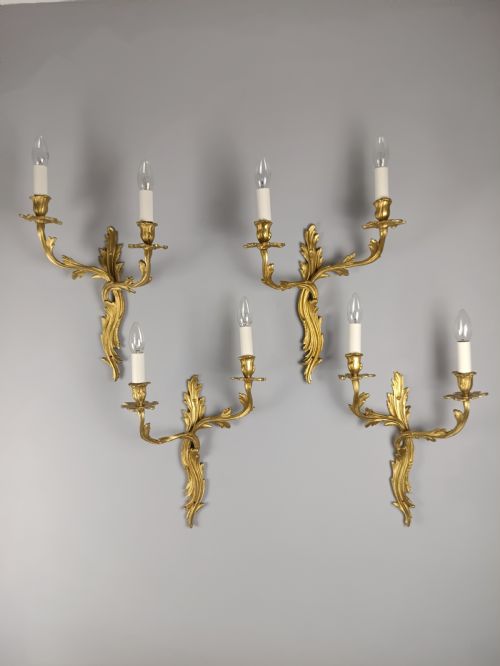
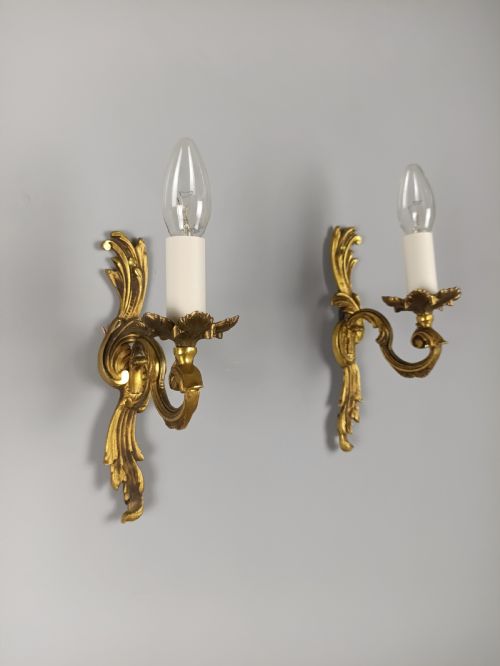
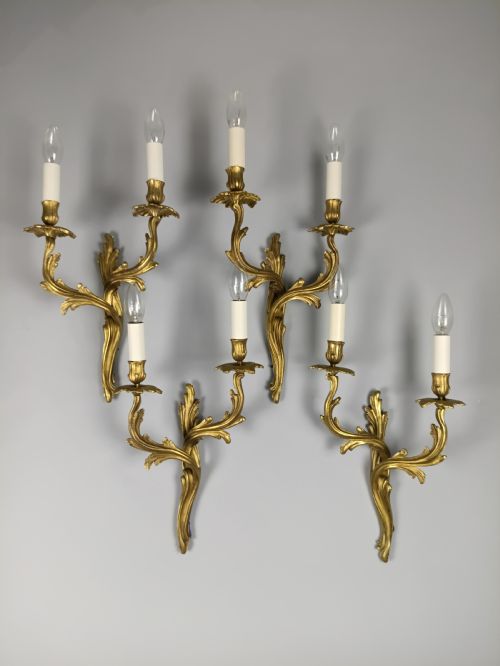
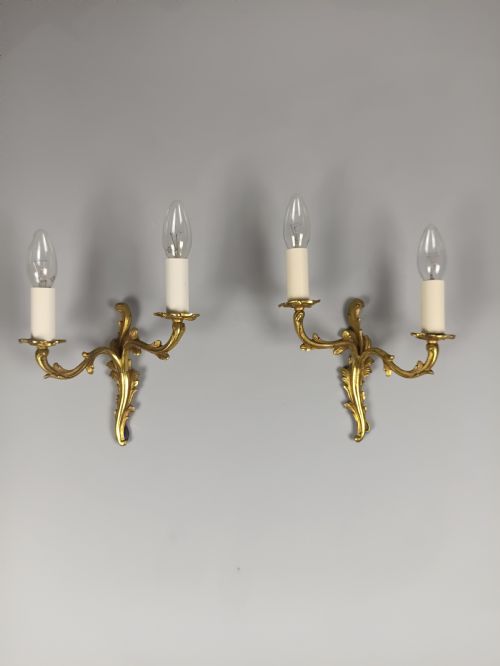
French Rococo Brackets
French rococo brackets bring dynamic, asymmetric curves and elaborate scrolling ornament to nineteenth and early twentieth-century interiors.
French Rococo Brackets
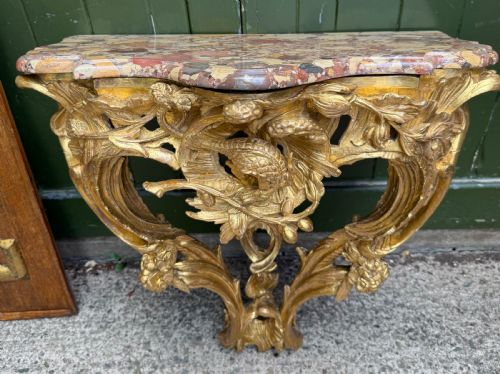
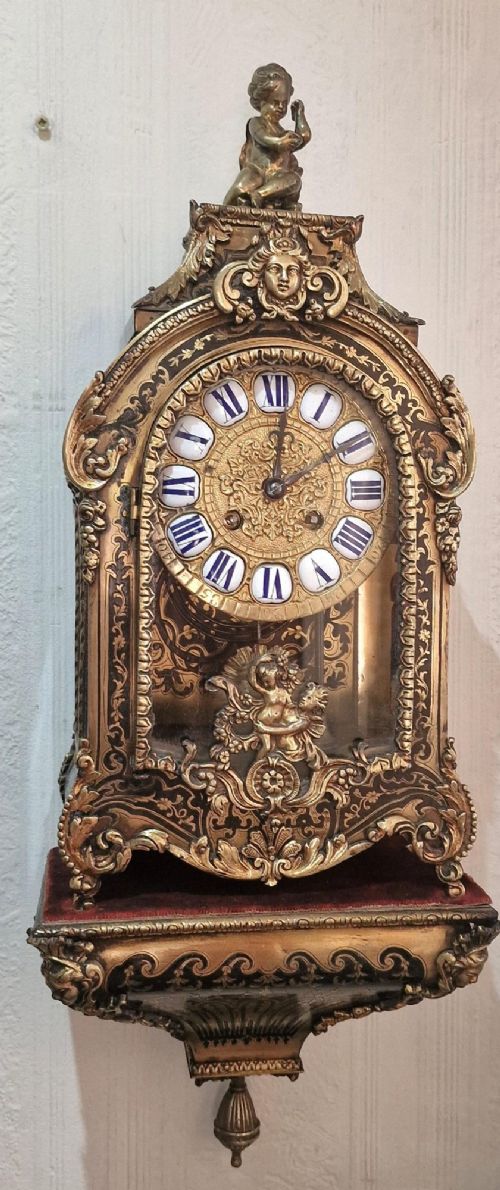
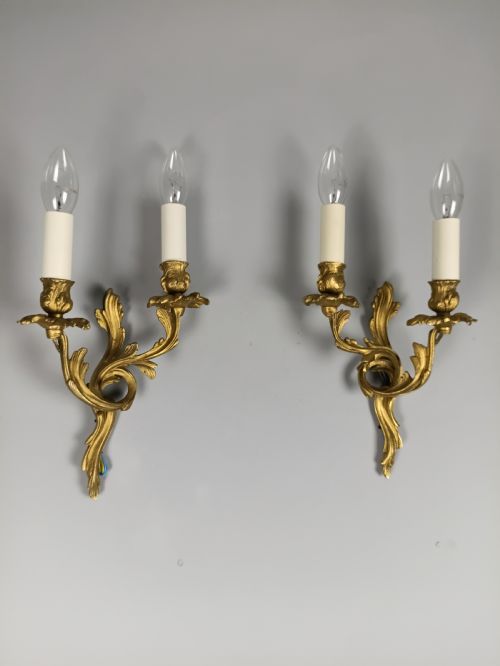
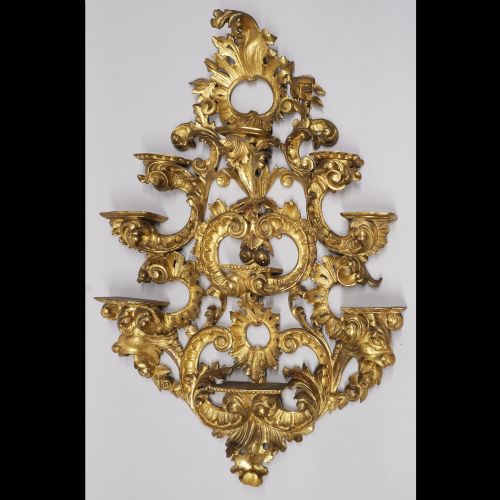
When searching for french rococo brackets, buyers typically encounter pieces created in the nineteenth and early twentieth centuries during various revival periods. These items encompass carved architectural supports, console tables, and clock shelves designed in the flowing louis xv style.
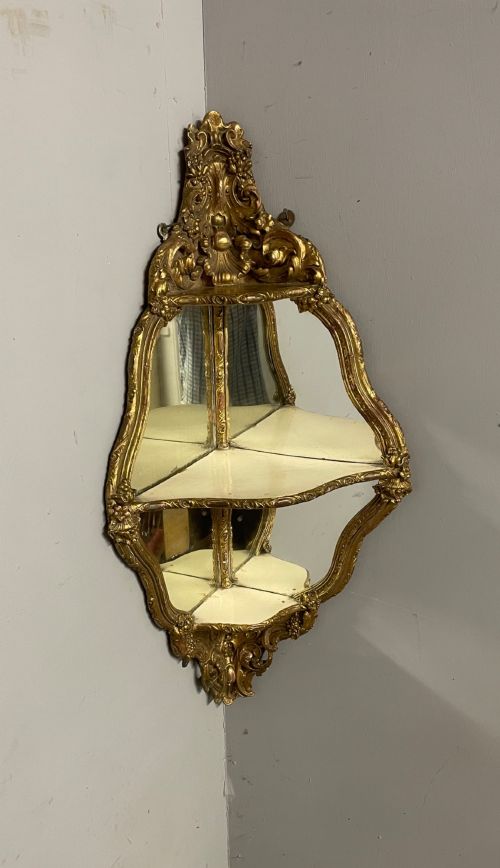
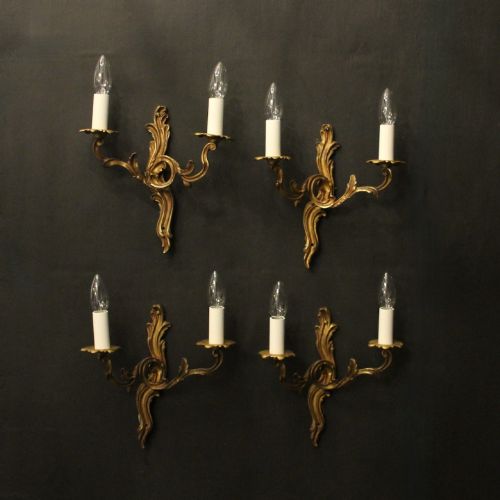
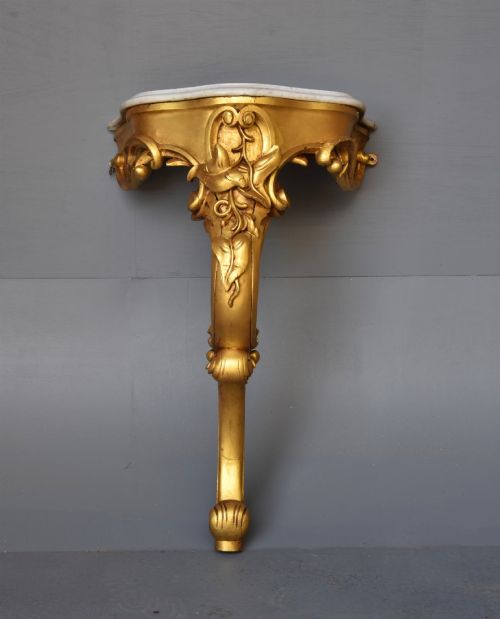
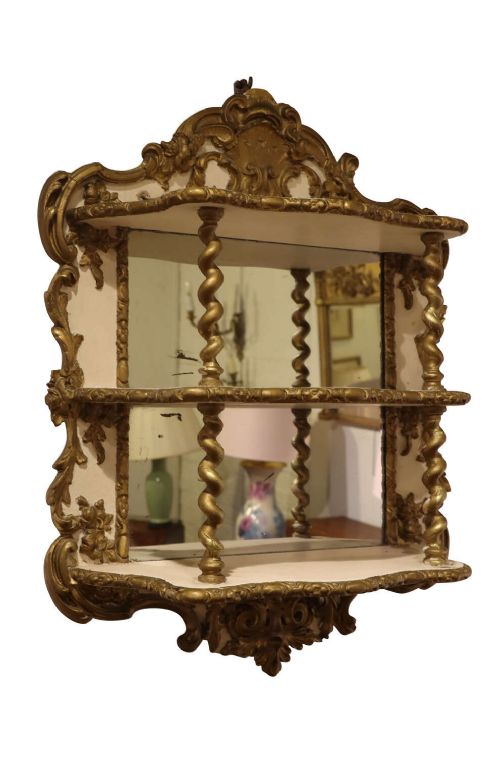
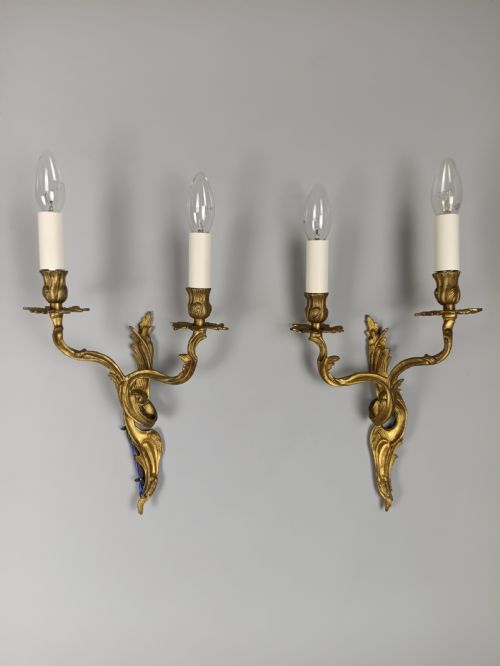
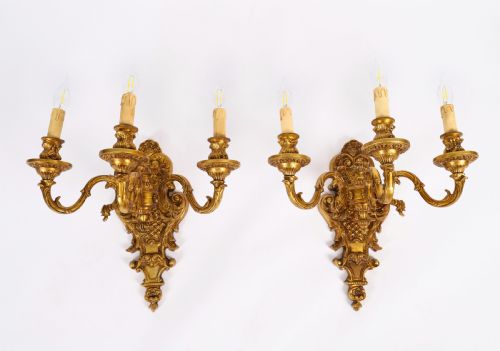
The physical evidence includes standalone wall brackets in carved giltwood alongside associated items like console tables and lantern brackets. Many pieces demonstrate the characteristic french chateau aesthetic through asymmetric scrolls and naturalistic shell motifs.
Materials and Construction
The pieces rely heavily on carved wood finished with gesso and gold leaf, creating the bright gilded surfaces typical of the style. Gilding catches ambient light to accentuate the deep undercut carving of foliage and scrolls.
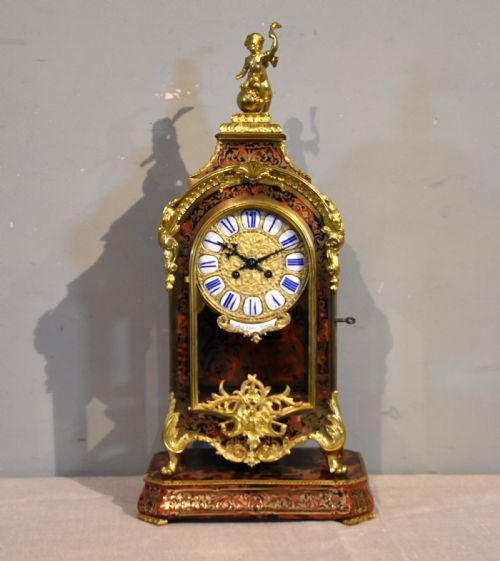
Metalwork forms another major component, utilising cast ormolu, gilt bronze, and brass for decorative mounts and structural elements. Artisans also incorporated tortoiseshell and enamel details into clock cases and associated bracket combinations.
Materials span gilt bronze, brass, ormolu, enamel, tortoiseshell, giltwood, gesso, and metal across the recorded pieces.
Assessing Quality and Execution
Quality separates objects through the crispness of the carving or casting and the depth of the gilding applied to the surface. Superior examples exhibit hand-chased details in the bronze and deeply sculpted relief work in the wood rather than flat, repetitive stamping.
The integrity of the construction and the subtlety of the asymmetrical balance determine the visual success of the piece. Master craftsmen ensured that scrolls and foliage appeared organic and fluid, whereas lesser items display rigid symmetry and heavy, unrefined joints.
HENRI MARC OF PARIS·Leon Message·Jollet et Cie
The French Rococo Brackets Glossary
- Ormolu
- Gilded bronze produced by applying a mercury and gold amalgam to a bronze base and heating it. This technique creates a durable, rich metallic finish found on many nineteenth-century mounts.
- Giltwood
- Wood that has been coated with a thin layer of gold leaf over a prepared gesso ground. It provides the primary reflective surface for wall brackets and console frames.
- Boulle
- A marquetry technique utilising brass and tortoiseshell inlaid in intricate floral or geometric patterns. This method appears primarily on clocks and associated furniture from the period.
- Gesso
- A plaster-like mixture applied to wood surfaces to create a smooth base for carving or gilding. It allows craftsmen to achieve sharp relief details before applying gold leaf.
- Console Table
- A table supported by wall brackets or console legs rather than four independent floor legs. These pieces often feature shaped marble tops and rich carving.
French Rococo Brackets: Frequently Asked Questions
What were french rococo brackets used for?
These supports held decorative objects such as clocks, porcelain figures, or urns, elevating them for better visibility in a room. They also served as standalone architectural ornaments to break up flat wall expanses.
In domestic interiors, matching brackets often anchored console tables or framed mirrors to create a unified decorative scheme across the wall surface.
How do you date these pieces?
Dating relies on examining the materials, construction marks, and stylistic nuances that distinguish nineteenth-century revival pieces from later twentieth-century interpretations. Examining the backplates, fixings, and wear patterns on the gilding provides further clues.
While the original design idiom draws from the eighteenth-century louis xv reign, the physical evidence points firmly to production from the 1850s through the 1930s.
Where should I mount a wall bracket?
Wall brackets require secure anchoring into solid masonry or studwork due to the weight of the carved wood and any object placed upon them. Positioning them at eye level or above companion furniture like console tables creates proper visual balance.
Avoid high-moisture areas to protect the delicate gesso and gold leaf finishes from deteriorating over time.
How do I care for gilded surfaces?
Gilded wood and ormolu require gentle dusting with a soft, dry brush to prevent abrasive particles from scratching the gold leaf. Avoid liquid cleaners, chemical polishes, or damp cloths, which can strip or stain the historic finish.
Maintaining stable room temperature and humidity prevents the underlying wood and gesso from expanding and cracking.