
French Provincial Wooden Carving
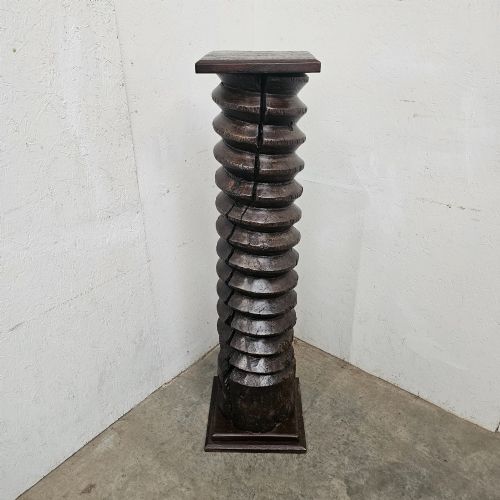
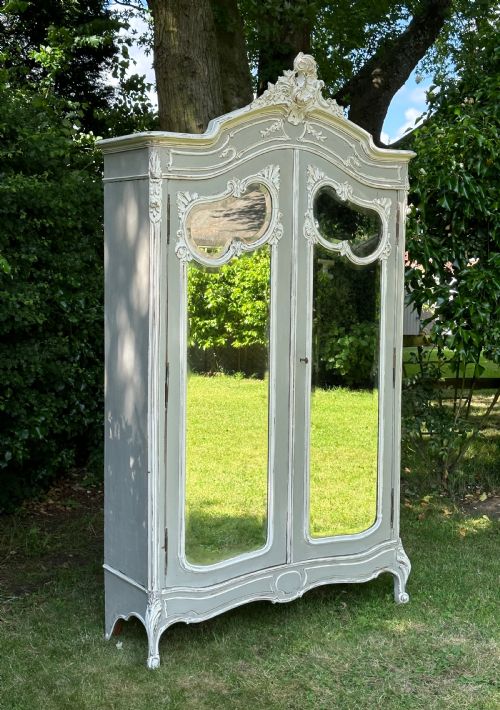
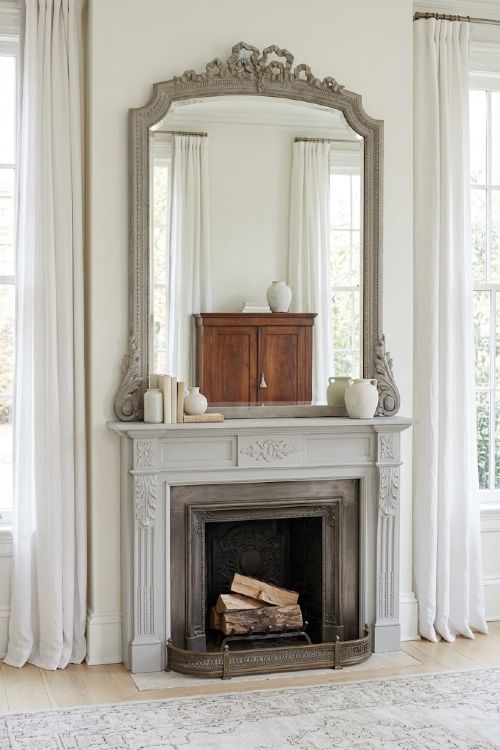
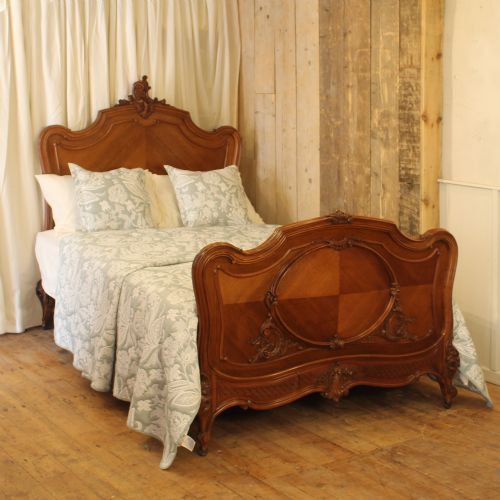
These pieces of french provincial wooden carving bring tactile regional craft into a room through shaped commodes, armoires, and tables.
French Provincial Wooden Carving
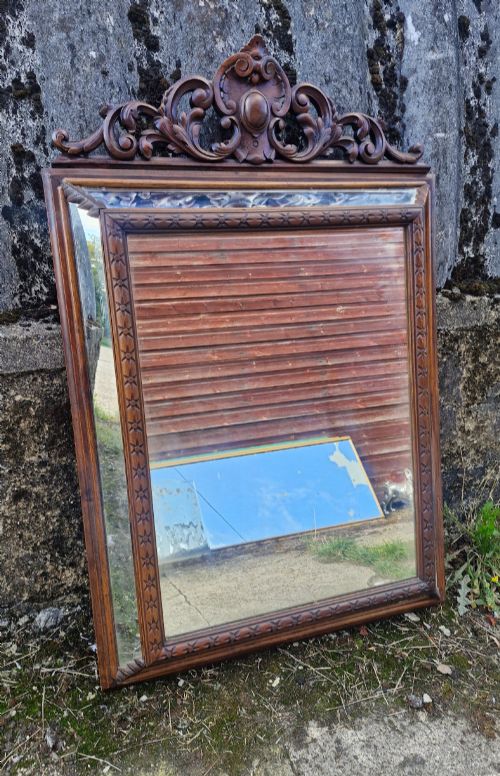
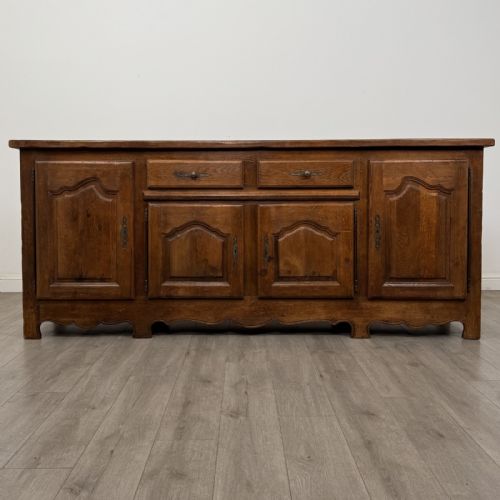
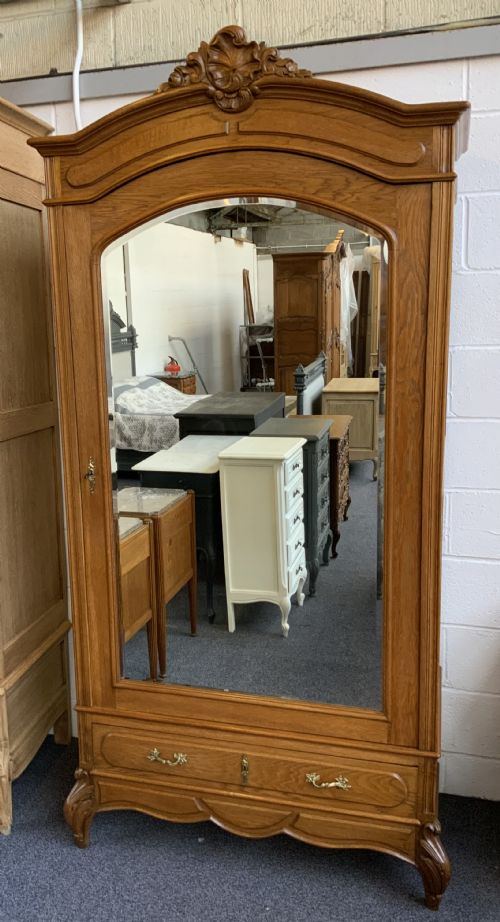
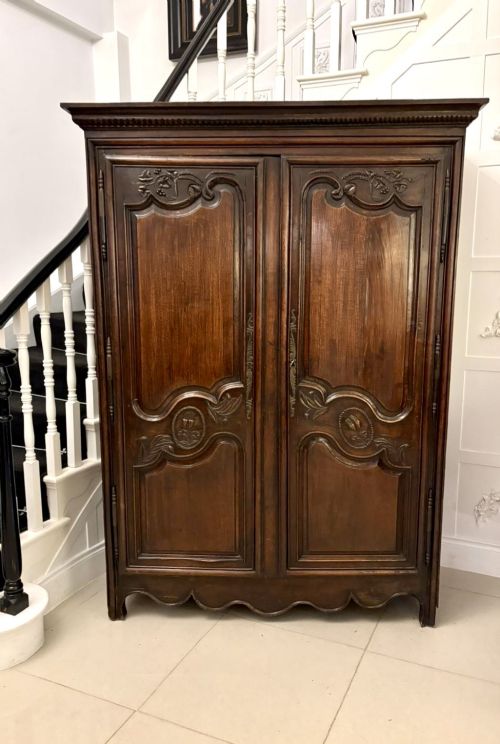
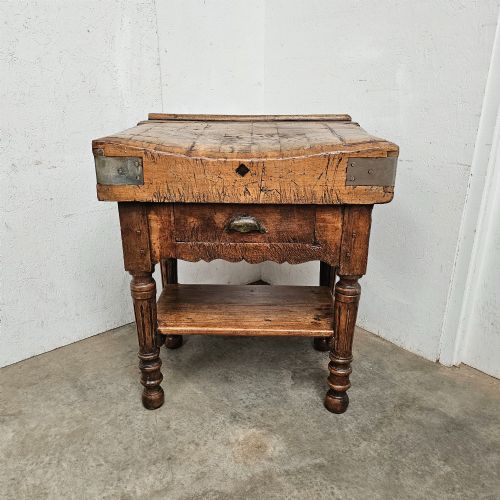
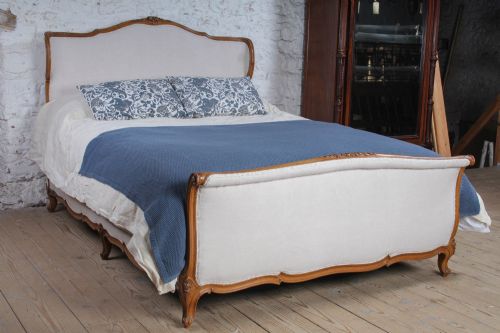
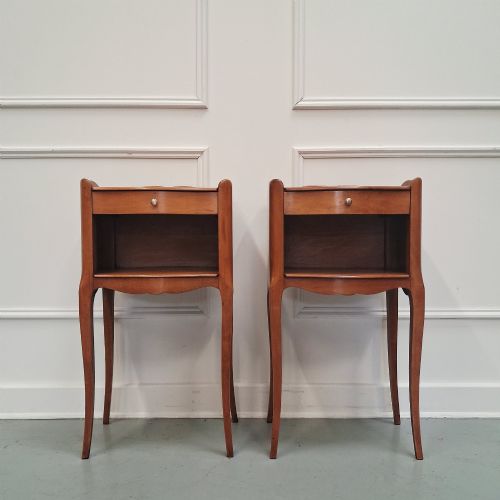
Buyers exploring french provincial wooden carving encounter regional furniture spanning the seventeenth century up to the twentieth century, with particular strength in eighteenth-century commodes and armoires. Forms range from practical household items like dough bins and side tables to substantial seating and dining tables shaped in provincial interpretations of metropolitan court styles.
The material vocabulary centres on timbers selected for local availability and working qualities, predominantly oak, walnut, beech, chestnut, and burr elm. Surfaces frequently show painted finishes, dark polish, or the unvarnished texture of a farmhouse kneading bowl developed through domestic use.
How they were made
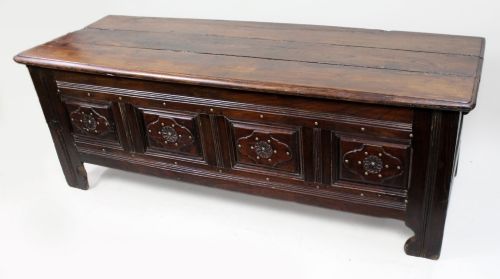
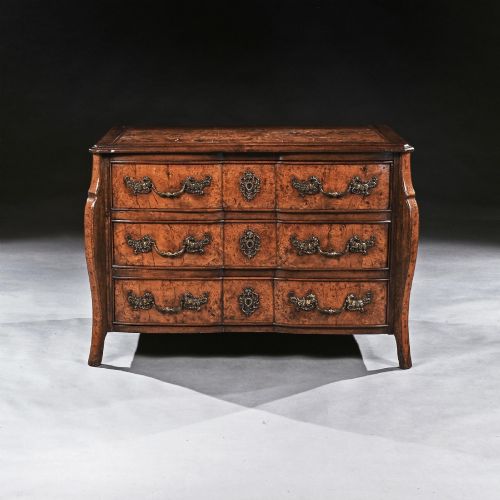
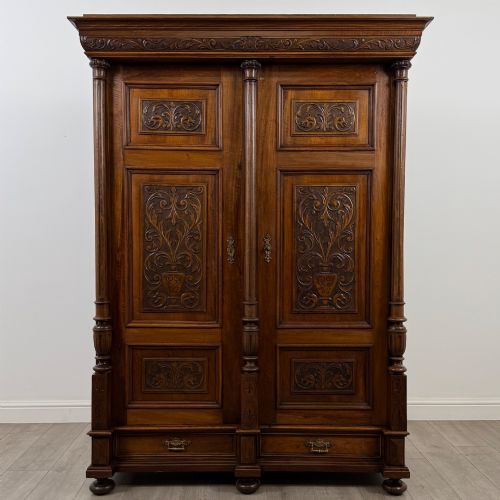
Cabinetmakers shaped solid hardwoods using hand tools to create curved serpentine fronts, bombe profiles, and integrated panels. Joinery relied on pegged mortise and tenon construction, while decorative detail emerged directly from the timber through moulded framing, turned legs, and carved panels.
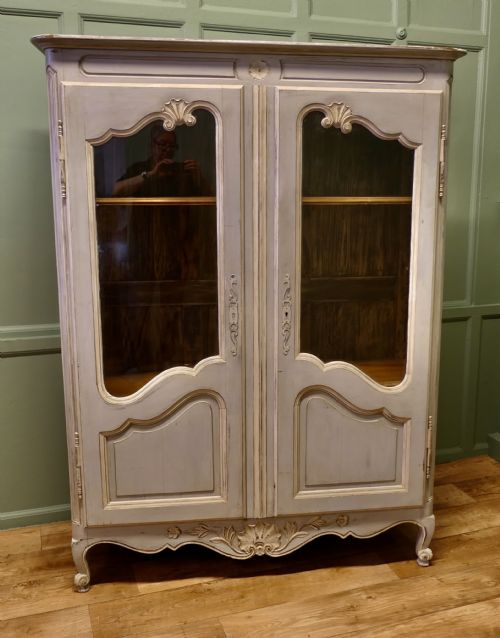
Surface treatments vary from applied paint and marquetry inlay to plain waxed timber that highlights the natural grain. Metal mounts in brass and iron appear selectively on drawers and doors for structural reinforcement and closure.
The listings on this page span oak, walnut, beech, chestnut, and burr elm across pieces originating from the late seventeenth century onwards.
What varies in quality
Quality rests on the integrity of the timber selection and the restraint of the carving. Early pieces shaped from burr elm or walnut display natural figure and structural rhythm that separate them from later decorative revivals.
Proportion and the handling of regional vernacular forms dictate the success of each piece. Fluid serpentine lines on a commode or well-balanced proportions on an armoire indicate skilled provincial joinery.
The French Provincial Wooden Carving Glossary
- Coffer
- A heavy wooden chest used for storage, typically constructed with solid panels and hinged lids. Early examples form the foundation of provincial storage furniture.
- Commode
- A low chest of drawers, often featuring shaped fronts and cabriole legs. Provincial variants range from bombe chestnut designs to walnut serpentine forms.
- Armoire
- A large freestanding wardrobe or cupboard with double doors. These substantial pieces provide primary storage in rural French interiors.
- Marquetry
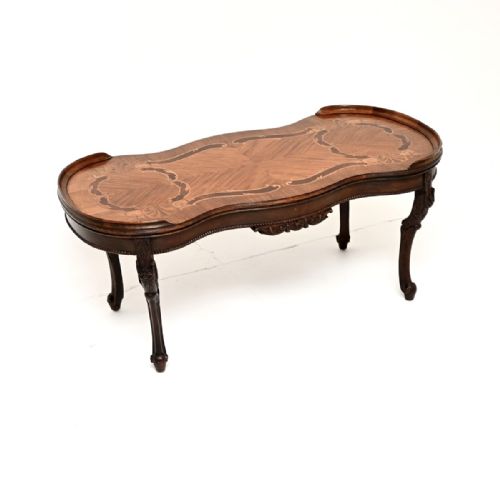
- The art of applying thin pieces of wood veneer to a structure to form decorative patterns. It appears on select tables and case furniture.
- Parquetry
- A geometric mosaic of wood pieces used for flooring or tabletop surfaces. Walnut examples demonstrate precision in the arrangement of grain.
French Provincial Wooden Carving: Frequently Asked Questions
How do I date a wooden coffer?
Dating relies on construction methods such as hand-cut dovetails, pegged joints, and the tool marks left by regional joiners.
Secondary woods and the wear patterns on the base help confirm the period of manufacture.
Where were these pieces made?
These items originated in regional French provinces outside Paris, including areas like Normandy, Provence, and the Loire Valley.
Local workshops adapted fashionable court designs to suit regional materials and domestic needs.
How should I maintain wax-finished wood?
Maintain the surface by applying natural beeswax sparingly and buffing with a soft cloth to preserve the patina.
Avoid placing wooden furniture near direct heat sources to prevent the timber from splitting.