





French Provincial Oval Table
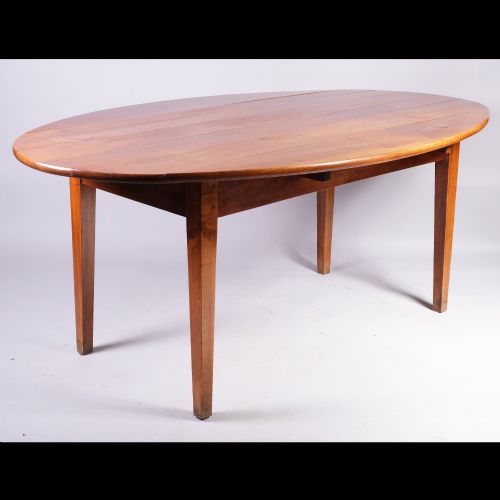
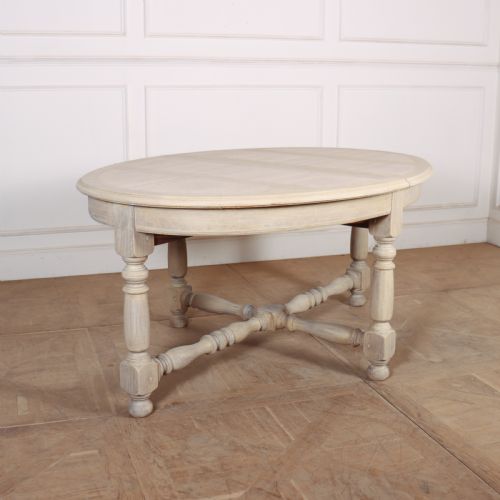
These french provincial oval table examples bring genuine rustic charm into a room, offering warm timber surfaces and elegant curved lines.
French Provincial Oval Table
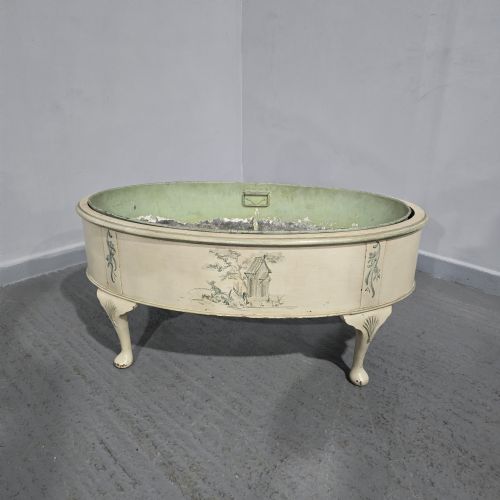
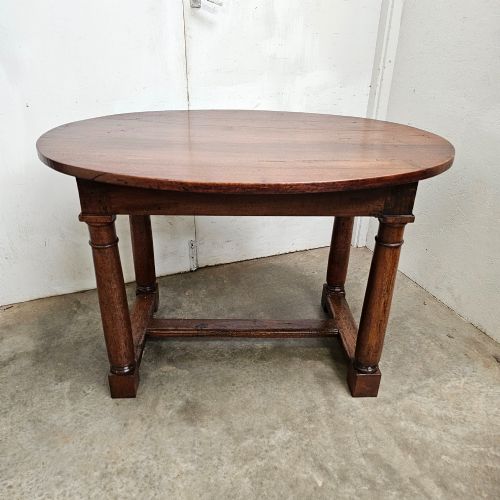
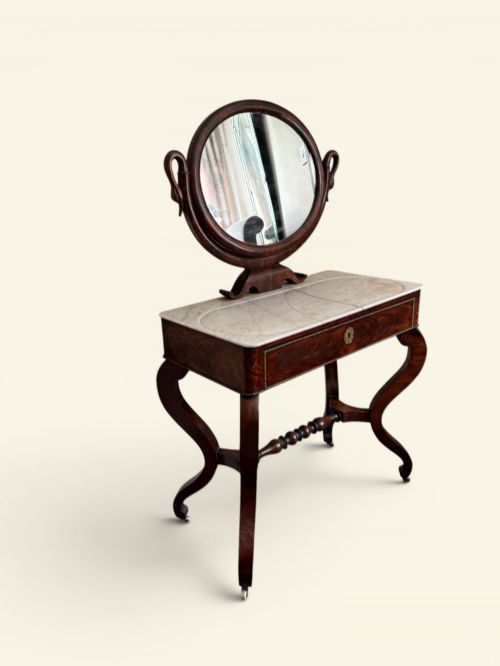
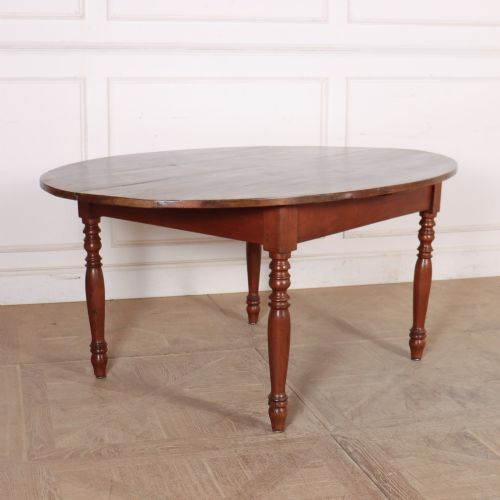
The selection on this page relies heavily on authentic rural forms, including farmhouse dining tables, wine tasting tables known as vigneron tables, and occasional lamp tables. Materials such as oak, fruitwood, elm, and cherrywood dominate the larger dining formats, while painted wood and satin wood appear on smaller night tables and dressing surfaces.
Stylistic influences range from straightforward French country and chateau designs to more ornamental expressions like French Rococo Revival and Louis XVI style. Buyers are most likely to meet nineteenth-century fruitwood or oak examples configured for dining or occasional use, alongside eighteenth-century walnut and elm variants.
How they were made
Cabinet makers utilised solid regional timbers including oak, fruitwood, walnut, cherrywood, and elm to build these tables, often pairing sturdier woods with pine for structural elements or drawer linings. Surfaces were left natural, bleached, or painted according to regional traditions and the intended domestic setting.
Many examples incorporate fitted marble tops, adding weight and a durable, cool surface particularly suited to dressing tables and occasional lamp tables. Joinery relied on traditional framing methods suitable for gate leg actions or sturdy farmhouse frames designed to withstand heavy daily use.
French Provincial Oval Table Retail Price Guide 2026
Typical asking prices for french provincial oval table among the pieces listed under this phrase on Sellingantiques today, from the lower quarter to the upper quarter. They describe what is for sale here now, not the wider market.
Grape harvests live on through sturdy vigneron wine tasting tables ready to hold your modern evening drinks.
What varies in quality
The quality of a french provincial oval table rests on the integrity of its timber selection, the crispness of any carved detailing, and the preservation of its original surface finish, whether patinated fruitwood or historic paint. Tables fashioned from dense hardwoods like eighteenth-century walnut or elm show superior longevity compared to later pine-supported hybrids.
The French Provincial Oval Table Glossary
- Fruitwood
- Timber sourced from fruit-bearing trees such as pear, apple, or cherry, frequently utilised in regional French cabinet making for its warm tone and fine grain. It yields a distinctive soft patina over centuries of use.
- Vigneron Table
- A specialised French wine tasting table, sometimes termed a vendange table, associated with vineyard regions and typically designed with a round or oval folding top. These pieces reflect practical rural winemaking traditions.
- Louis XVI Style
- A neoclassical design vocabulary characterised by straight tapered legs, geometric symmetry, and restrained classical ornamentation. This aesthetic appears on refined French night tables and salon pieces from later revival periods.
- Gate Leg Table
- A table featuring hinged drop leaves supported by swing-out legs that pivot like a gate to bear the weight of the extended top. This clever construction allows large dining surfaces to fold away compactly.
French Provincial Oval Table: Frequently Asked Questions
How do I clean a marble top?
Wipe the marble surface gently with a soft cloth dampened in warm water and mild, pH-neutral soap, avoiding acidic cleaners that etch stone.
Dry the stone thoroughly afterwards to prevent water spots and preserve the polished finish.
Where should I place a bedside table?
Position the table beside a bed at a height that allows comfortable access to a lamp or reading materials during the night.
Ensure sufficient clearance for opening any fitted drawers or cabinet doors without obstruction from surrounding furniture.
Can I use a farmhouse table daily?
These robust timber tables were built precisely for heavy domestic service and handle everyday meals and family gatherings with ease.
Treat the wooden surface with care by using placemats and wiping up moisture promptly to maintain the historic patina.
How do I distinguish eighteenth century timber?
Examine the grain pattern, tool marks, and construction joints for evidence of hand-working methods typical of early regional workshops.
eighteenth-century pieces often display deeper natural wear patterns and distinct oxidisation compared to later nineteenth-century revivals.