





French Provincial Brass Fitting
These French provincial brass fitting selections bring authentic Gallic character to a room through heavy cast metalwork and time-worn metal surfaces.
French Provincial Brass Fitting
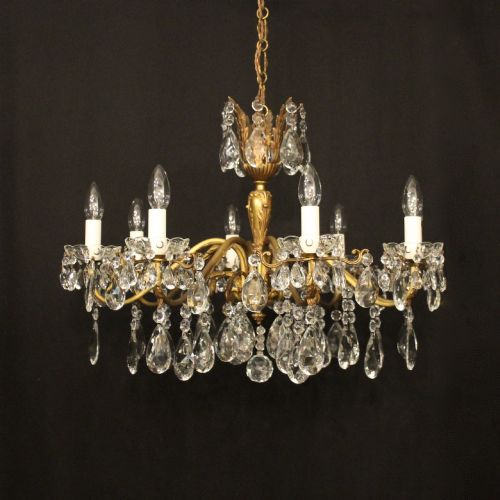
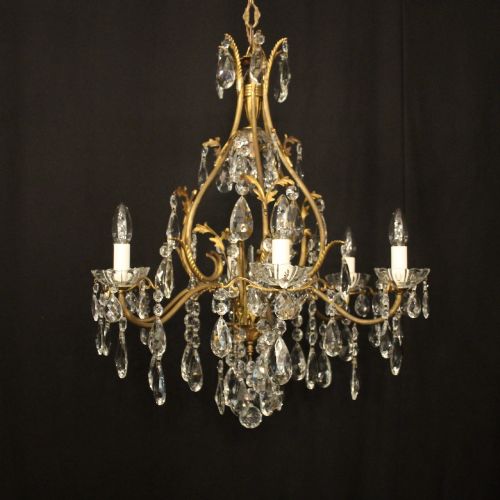
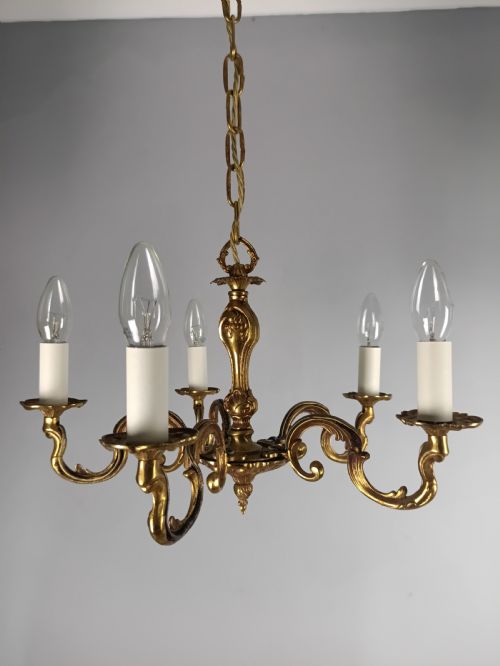
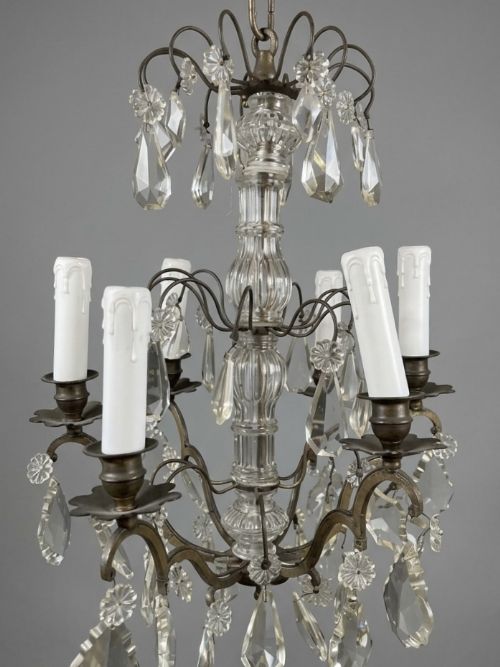
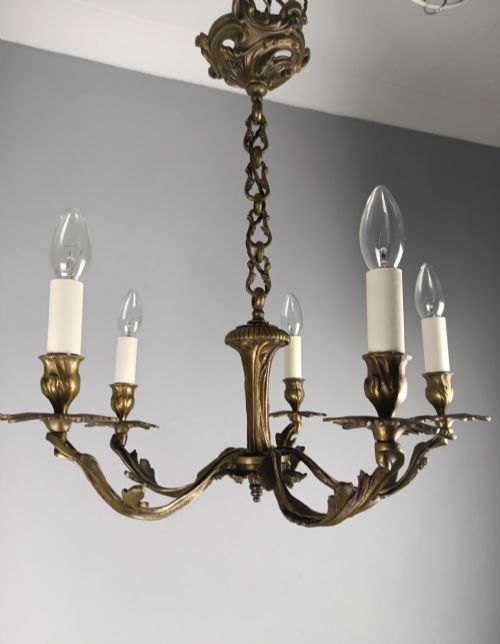
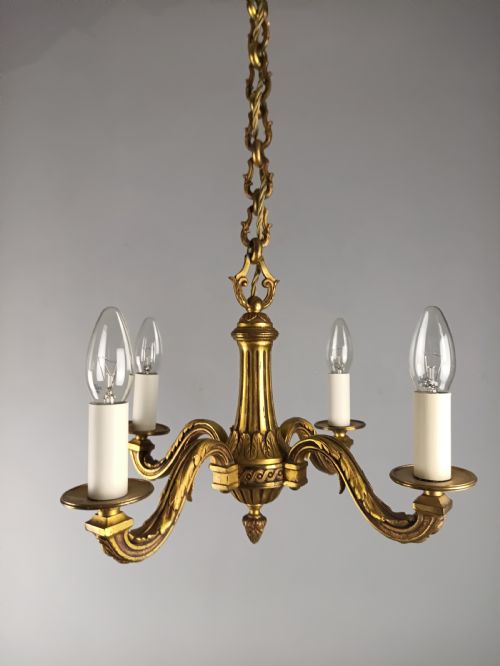
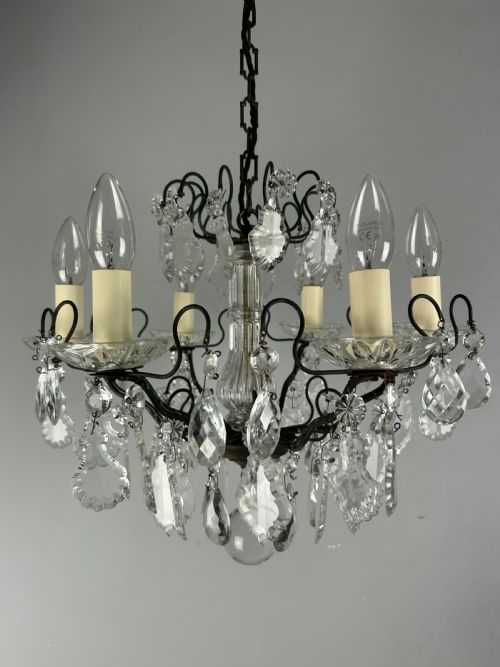
When you search for a french provincial brass fitting, you are looking at substantial lighting fixtures and architectural elements spanning from the eighteenth century through the nineteen-thirties. The most common examples appearing here are multi-light chandeliers rendered in brass, gilt bronze, and dark bronze, often ornamented with crystal or cut glass drops.
The assortment also includes paired walnut panels and iron frames carrying coloured glass, representing styles from French Rococo and Louis XVI to broader chateau aesthetics. These objects serve as primary focal points in a interior scheme, bringing the weight of historical European metalworking directly into domestic spaces.
Originating predominantly from French workshops across multiple centuries, these fittings bridge the gap between grand salon ornamentation and rustic provincial utility. Buyers encounter variations ranging from restrained Edwardian interpretations to ornate multi-tiered cage chandeliers holding upwards of twelve lights.
How they were made
Construction relies heavily on traditional foundry techniques, utilising cast brass, bronze, and gilt metal shaped into structural arms, central cages, and decorative backplates. Metal components are frequently finished with gilding, silver plating, or darkened patination to achieve specific visual depths.
Many designs incorporate light-refracting elements such as crystal and cut glass pendants suspended from wire loops or pinned directly into the metal frame. Structural integrity is maintained through threaded rods and mechanical joints hidden within the central shafts of the larger chandeliers.
French Provincial Brass Fitting Retail Price Guide 2026
Typical asking prices for french provincial brass fitting among the pieces listed under this phrase on Sellingantiques today, from the lower quarter to the upper quarter. They describe what is for sale here now, not the wider market.
The documented styles range from restrained Edwardian and French Provincial to elaborate French Rococo and Louis XVI chateau designs.
What varies in quality
Quality reveals itself through the crispness of the metal casting and the depth of the applied surface finish, whether genuine fire gilding or subtle dark patination. Finer examples display meticulous hand-chasing on bronze mounts, whereas simpler pieces rely on basic cast forms with minimal surface refinement.
The integration of secondary materials like rock crystal versus moulded glass significantly shifts the character and substance of an individual piece. Weight, proportion, and the structural harmony of the arms and candlesleeves distinguish standard provincial production from high-status chateau commissions.
The French Provincial Brass Fitting Glossary
- Gilt Bronze
- Metal alloy coated with a thin layer of gold, providing a rich, lasting metallic sheen that resists tarnishing over decades. This material is frequently associated with high-end Parisian lighting and decorative hardware.
- Cage Chandelier
- A lighting form defined by a skeletal metal frame enclosing the central stem and supporting outward-reaching candle arms. These structures are often draped with glass or crystal garlands.
- French Rococo
- An ornate design style characterised by asymmetrical scrollwork, naturalistic shell motifs, and exuberant curves. It heavily influences eighteenth-century decorative arts and later revival pieces.
- Cut Glass
- Glass shaped through grinding and polishing wheels to create sharp facets that scatter artificial and natural light. It appears extensively on hanging chandeliers from the nineteenth century onwards.
French Provincial Brass Fitting: Frequently Asked Questions
How do I date these metal fittings?
Dating relies on examining the casting methods, screw threads, and the specific composition of the brass or bronze alloys used in the frame. Earlier pieces often show hand-filed surfaces and irregular components.
Stylistic cues such as Rococo asymmetry or Louis XVI neoclassical symmetry also help place items within the eighteenth, nineteenth, or early twentieth centuries.
Are these chandeliers suitable for modern wiring?
Most antique metal chandeliers require professional rewiring to meet current electrical standards and safety codes before domestic installation. Electricians can usually adapt internal channels to accept modern cables.
Original candle tubes and sockets are often replaced or restored to accommodate contemporary bulbs while preserving the exterior historic appearance.
What is the difference between brass and bronze?
Bronze is primarily an alloy of copper and tin, offering a heavier weight and a darker, richer natural patination over time. Brass is an alloy of copper and zinc, yielding a brighter golden tone.
Both metals were cast and subsequently gilded or oxidised in French workshops to achieve specific aesthetic results.
How should I clean antique brass?
Maintenance requires gentle dusting with a soft dry cloth to prevent the accumulation of grime on delicate metal surfaces and crystal drops. Harsh chemical polishes should be avoided.
Preserving the historic surface patina is generally preferred by collectors over aggressive cleaning that strips away decades of natural ageing.