
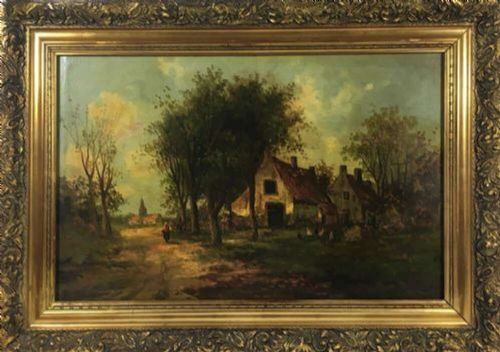
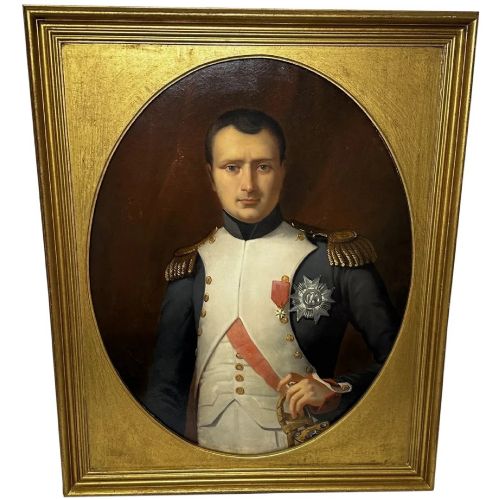
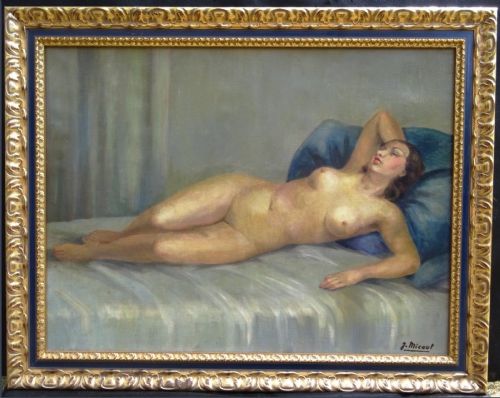
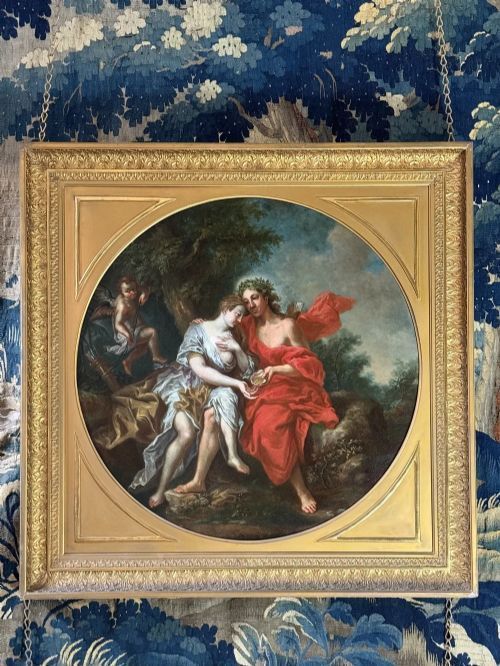
French Portrait on Canvas
When acquiring a french portrait on canvas, collectors secure centuries of painted character, from seventeenth-century judges to twentieth-century moderns.
French Portrait on Canvas
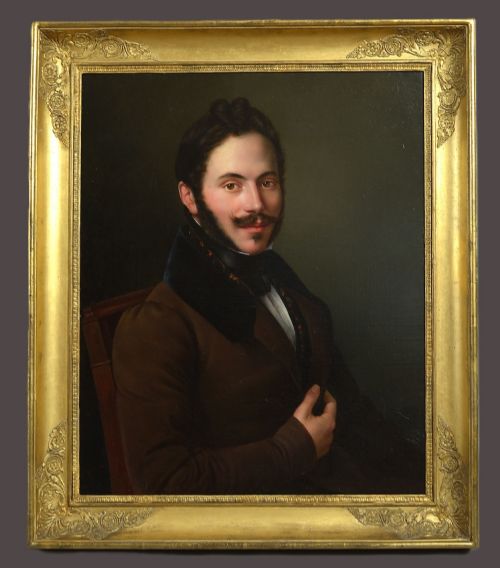
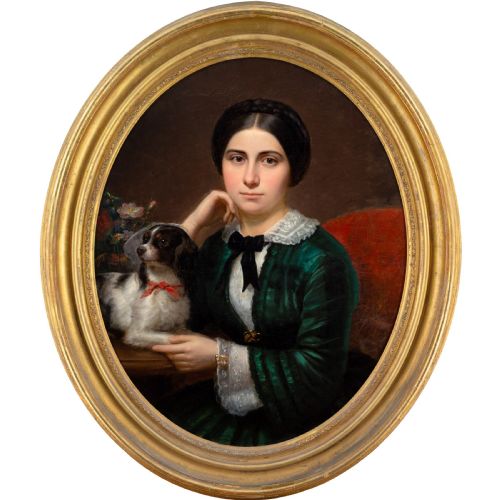
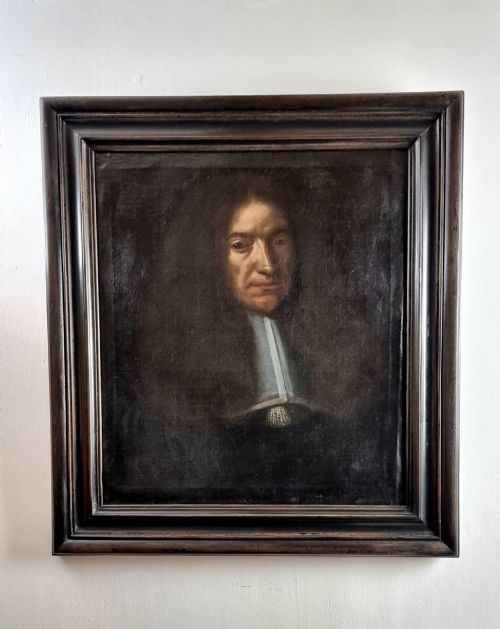
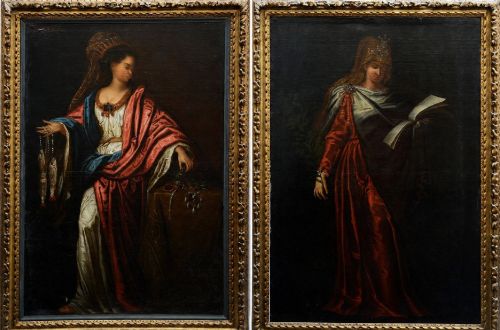
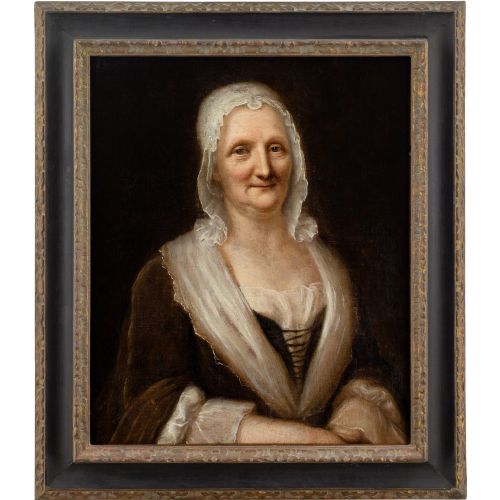
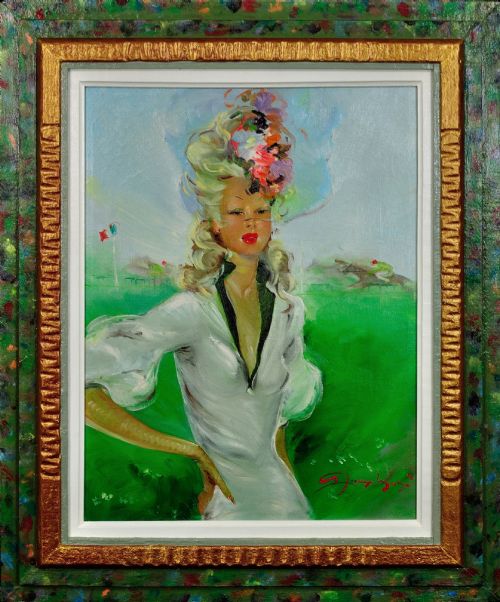
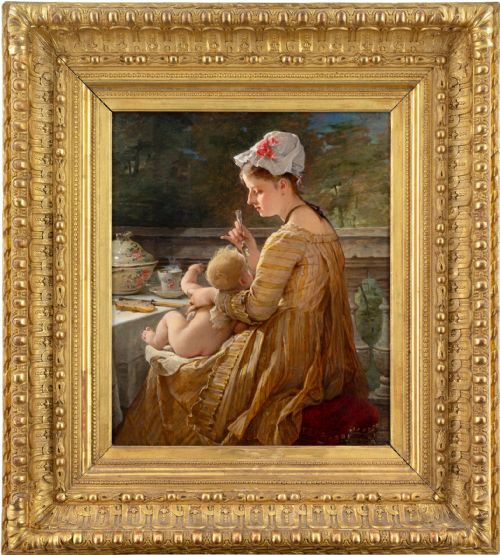
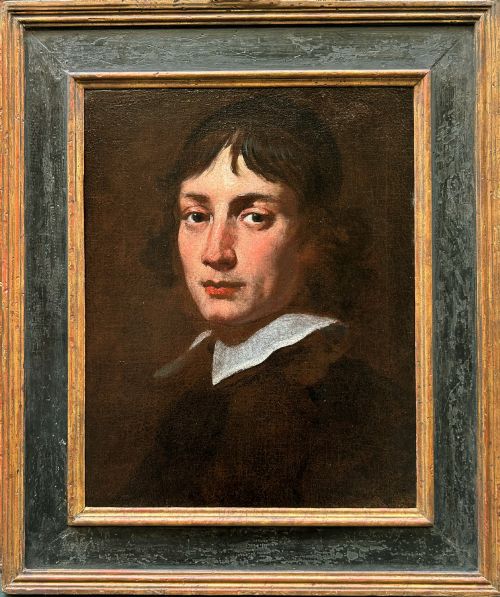
A french portrait on canvas captures human likeness through centuries of changing European aesthetics, stretching from seventeenth-century court paintings to mid-twentieth-century modernist canvases.
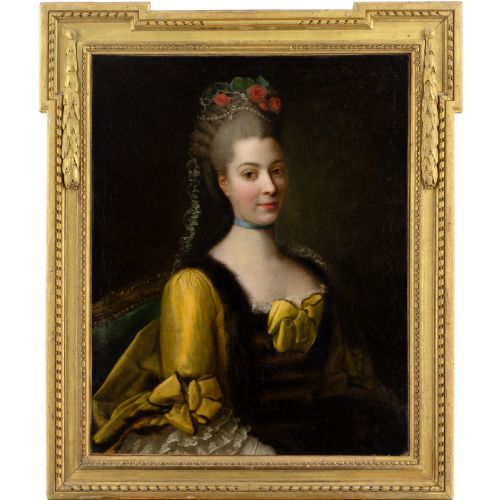
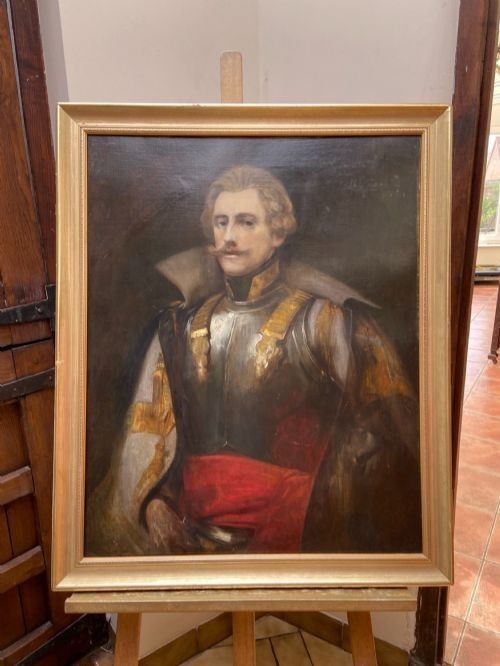
The buyer encounters aristocratic officers, elegant women in elaborate dresses, military figures, and anonymous sitters rendered by provincial hands or academic masters.
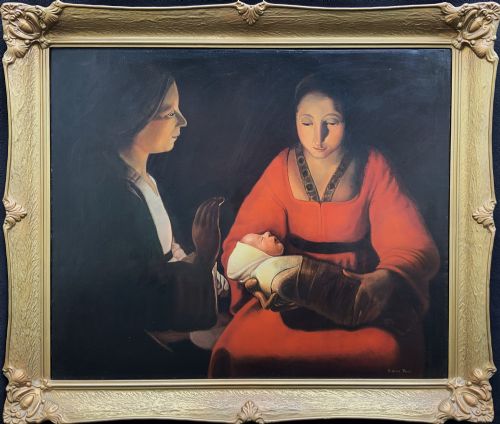
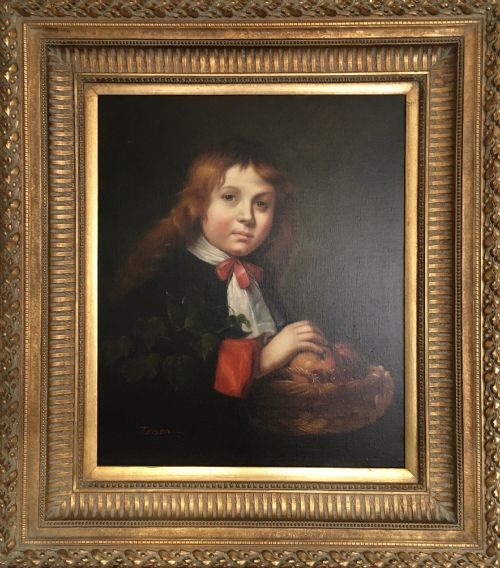
Works on this page span French Baroque, Rococo, Empire, Academic, and Art Deco movements, preserved in original wood, gesso, and giltwood frames.
How They Were Made
Artists built these works using oil paint applied to woven canvas supports, sometimes stretching the fabric over wooden strainer frames.
Ornate surrounds utilised carved wood enriched with gesso layers and finished in gold leaf or giltwood to house the primary artwork.
Listings include oil paintings on canvas spanning from the seventeenth century through the 1950s, housed in original wood and giltwood frames.
What Varies in Quality
The tier of a portrait rests upon anatomical precision, the confident handling of fabric folds, and the psychological depth captured in the sitter's expression.
Works produced by named salon-exhibiting artists or established school circles display superior brushwork compared to generic commercial copies.
Charles-Antoine Coypel·Edouard Pingret·Adelaïde Salles-Wagner·Guillaume Courtois·Joseph Vivien·Alfred Arthur Brunel de Neuville·Charles Zacharie Landelle·Raymond Moritz·André Charles Voillemot·Henri Vincent-Anglade·Ferdinand Victor Leon Roybet·Gaetan Dumas·Georges Goursat·Nicolas Fouché·Nicolas de Largillière·Michel Hubert-Descours
The French Portrait on Canvas Glossary
- Canvas
- A heavy woven fabric used as a surface for oil painting. It provides a flexible texture that absorbs pigment layers.
- Gesso
- A plaster-like mixture applied to wooden frames or panels as a base for gilding. It creates a smooth surface for decorative carving.
- Giltwood
- Wood carved and coated with gold leaf or metallic powder. It frames traditional artworks with a reflective golden finish.
- Academic Style
- A painting approach governed by the rules of official art academies. It emphasises classical drawing, smooth finishes, and historical themes.
- Barbizon School
- A mid-nineteenth-century French art movement focused on realism and pastoral landscapes. Painters prioritized direct observation of nature.
French Portrait on Canvas: Frequently Asked Questions
How do I identify the period of a portrait?
Examination of the sitter's clothing, hairstyle, and collar style offers the most reliable chronological clues for historic paintings.
Framing materials and canvas preparation techniques also help confirm whether a work belongs to the seventeenth, eighteenth, or nineteenth century.
Were all these paintings made in France?
The works originate from French schools, regional workshops, and Parisian salons spanning multiple centuries.
Some pieces reflect the direct influence of French academic training even when painters travelled abroad.
How should I display an oil painting on canvas?
Keep canvases away from direct sunlight and dramatic fluctuations in room temperature to prevent paint cracking and canvas sagging.
Ensure the hanging wall can support the combined weight of the painting and its heavy giltwood frame.
What is the difference between a school work and a named artist?
Pieces attributed to a specific school represent the style and technique of a master's workshop or followers rather than the master's own hand.
Signed or documented works by recorded academic painters generally command greater historical interest among collectors.