





French Period Tables
French period tables bring formal elegance and classical proportion to a room, uniting rich mahogany, cool marble and warm ormolu.
French Period Tables
French period tables encompass console tables, centre tables and occasional pieces spanning the eighteenth and nineteenth centuries.
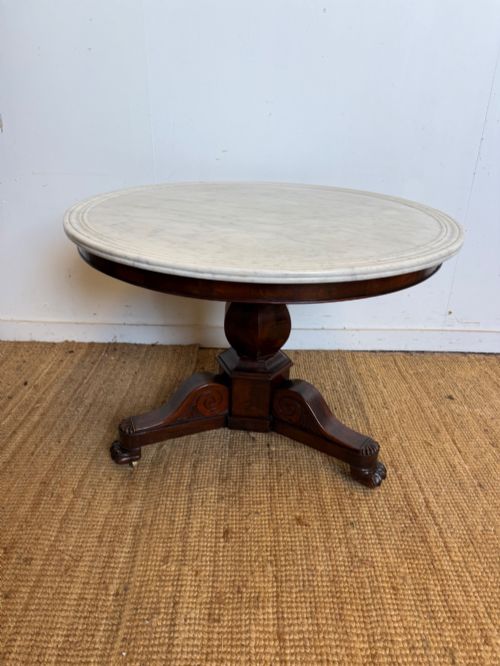
Console tables dominate the selection, frequently paired with white or grey marble tops and carved mahogany or gilt frames.
Makers drew upon classical motifs, bringing restrained architectural lines and rich timber grains into domestic interiors.
How they were made
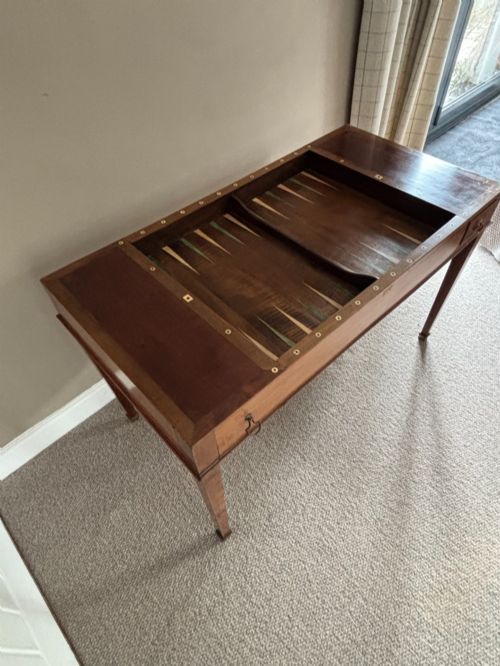
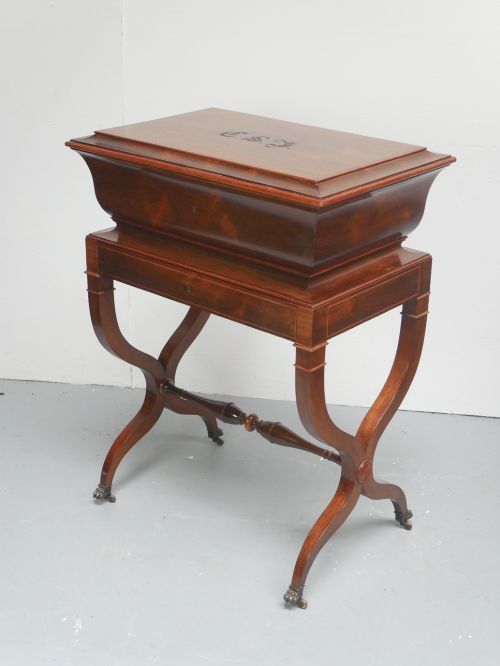
Cabinetmakers utilised dense timbers like mahogany and rosewood, often pairing them with contrasting satinwood or marquetry details.
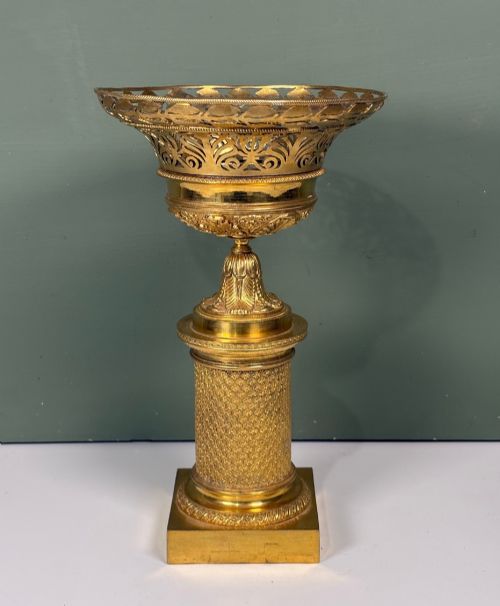
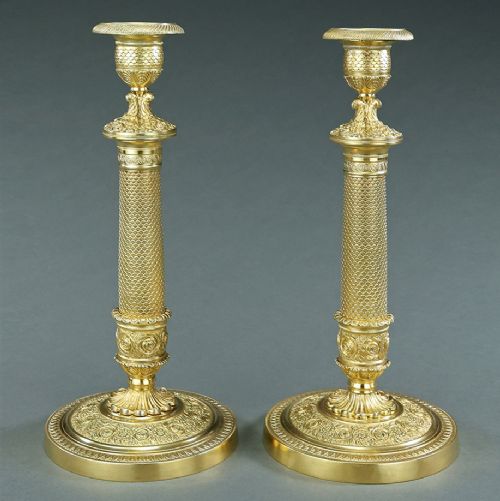
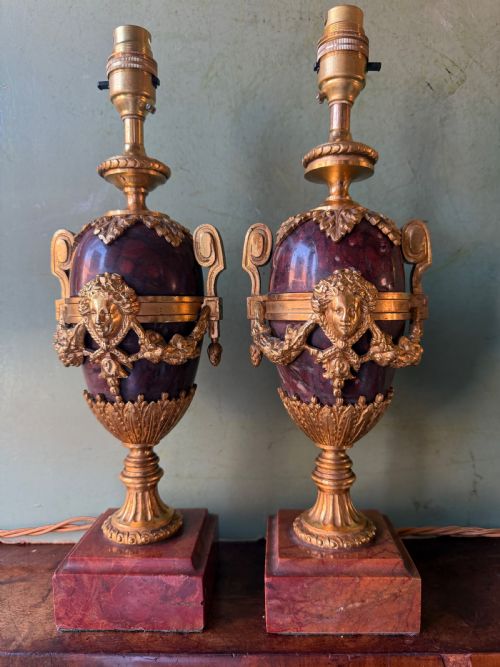
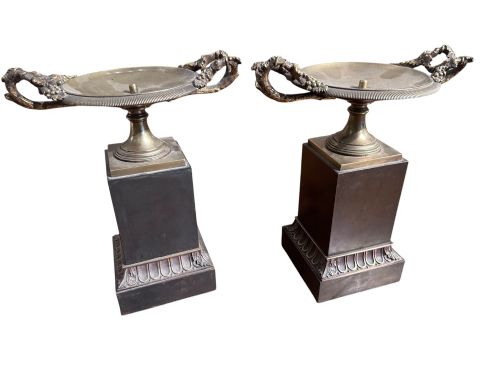
Metal ornamentation relied on fire-gilded ormolu and patinated bronze, cast and chased by hand to achieve crisp sculptural relief.
Stone tops, particularly carrara and rouge marble, were cut to fit precisely within wooden borders or moulded bronze mounts.
French Period Tables Retail Price Guide 2026
Typical asking prices for french period tables among the pieces listed under this phrase on Sellingantiques today, from the lower quarter to the upper quarter. They describe what is for sale here now, not the wider market.
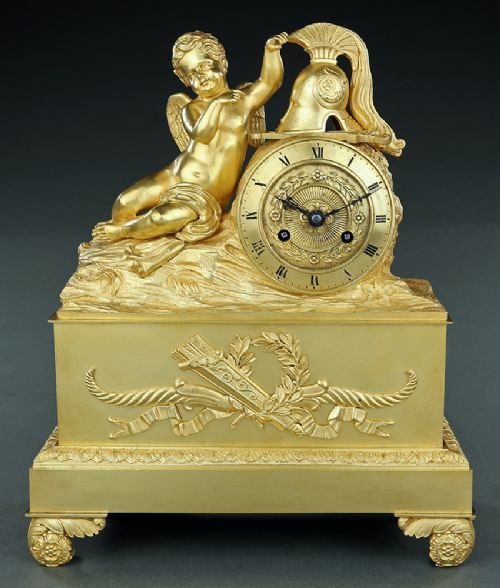
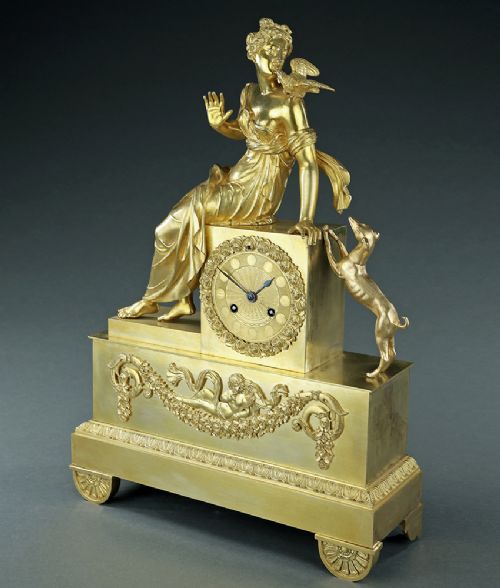
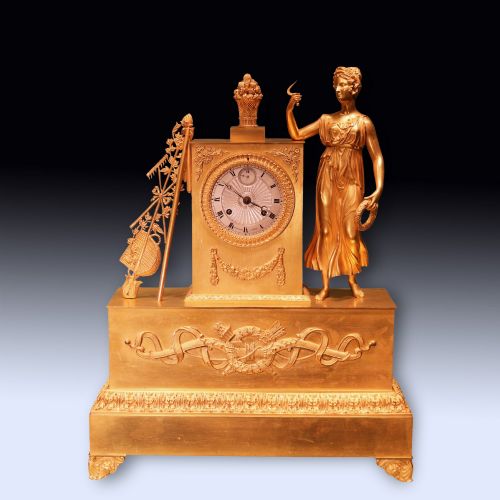
Several clocks on this page keep time alongside tables, recording the exact hours of French history.
What varies in quality
The refinement of the cast bronze elements dictates the distinction between standard production and top-tier workshop output, where hand-chasing remains sharp and deep.
Joinery execution in the timber frame reveals the maker's hand, seen in tight joints, selected grain matching, and well-proportioned carved enrichment.
Jean-Joseph Chapuis·Paul Garnier·Canaillor of Paris·Lesage·Rabiat·Ravrio·Pons de Paul·Reiche
The French Period Tables Glossary
- Ormolu
- Gilded bronze produced by applying an amalgam of gold and mercury to a bronze base and heating it. This technique creates a durable, rich golden surface typical of luxury furnishings.
- Gueridon
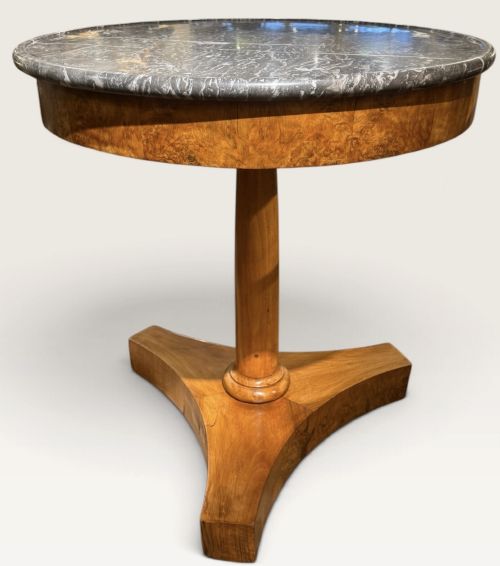
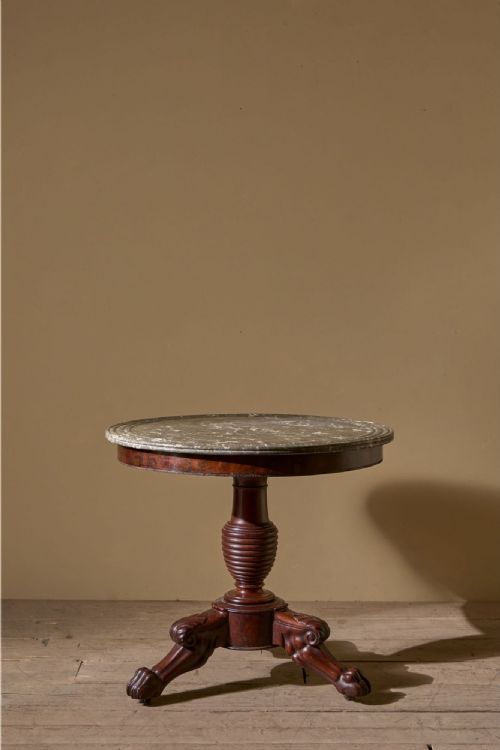
- A small round table supported by a central pillar or multiple legs. These frequently feature marble tops and decorative wood veneers.
- Console table
- A table designed to stand against a wall, traditionally fixed with brackets. They commonly display shaped marble slabs and elaborate giltwood or mahogany frames.
- Marquetry
- The art of applying thin slices of wood veneer to a structural carcase to form decorative patterns. Craftsmen utilised diverse timbers to create pictorial designs.
French Period Tables: Frequently Asked Questions
Where should I place a console table?
Console tables anchor entrance halls, reception rooms, and dining spaces where their shallow depth fits neatly against walls. They suit spaces below large mirrors or paintings.
Position them away from direct heat sources to protect the polished wood finishes and delicate marble tops.
How do I clean marble table tops?
Wipe marble surfaces using a soft cloth dampened with warm water and mild, neutral soap. Avoid acidic cleaners, vinegar, and abrasive pads.
Dry the stone thoroughly after wiping to prevent water marks and preserve the polished finish.
What is the difference between an Empire and a Regency table?
Empire tables originate from French workshops during the early nineteenth century, drawing heavily on Roman, Greek, and Egyptian military motifs with extensive ormolu mounts.
Regency pieces reflect concurrent British tastes, though French influence remains strong through imported timbers, classical pedestals, and bronze details.