





French Parlor Set
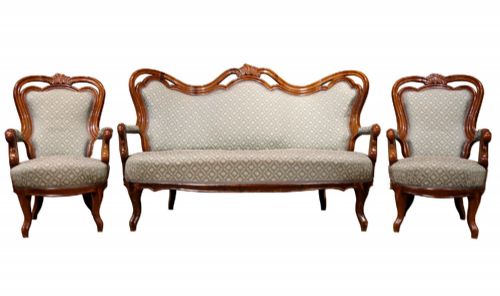
A french parlor set brings reception rooms of the nineteenth and early twentieth centuries into focus with matching walnut frames and damask upholstery.
French Parlor Set
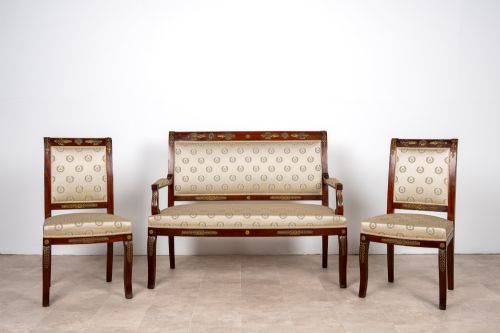
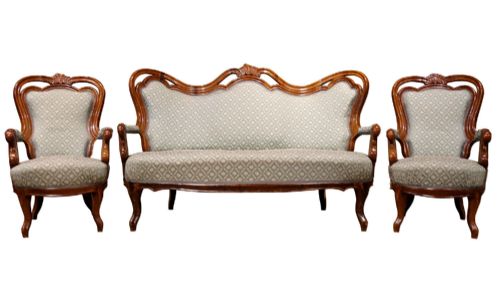
A french parlor set comprises coordinated seating arrangements designed for formal entertaining in nineteenth and early twentieth century salons. Buyers seeking a french parlor set frequently encounter walnut frames, ebonised wood, and gilt wood configured as matching armchairs, side chairs, and multi-piece salon suites.
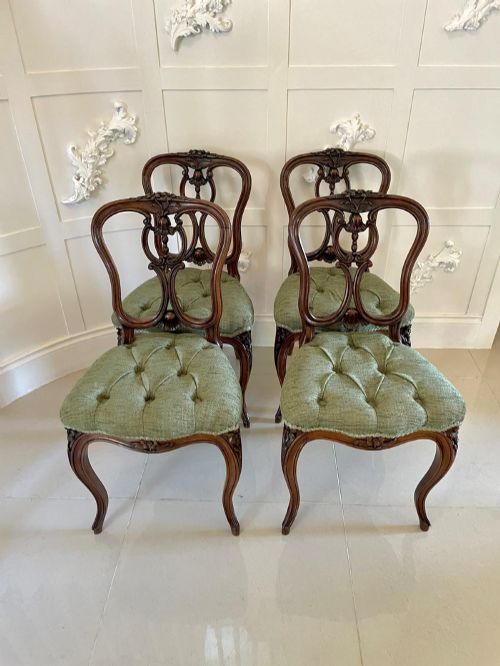
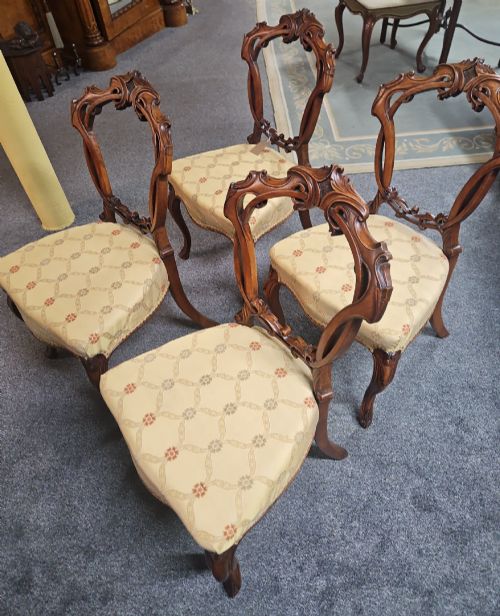
The selection ranges from mid-nineteenth century walnut side chairs to larger salon suites spanning the Victorian era and the early twentieth century. Common configurations include three-piece suites and larger sets of chairs reflecting diverse revival movements.
Origins stretch across continental workshops and British makers influenced by continental aesthetics. Pieces frequently pair carved timber structures with period upholstery fabrics such as damask and textile.
Materials and construction
Makers utilised solid walnut, mahogany, and ebonised wood as the primary structural timbers for framing these suites. Timber selection dictated the depth of carving achievable in styles ranging from Rococo Revival to Empire Revival.
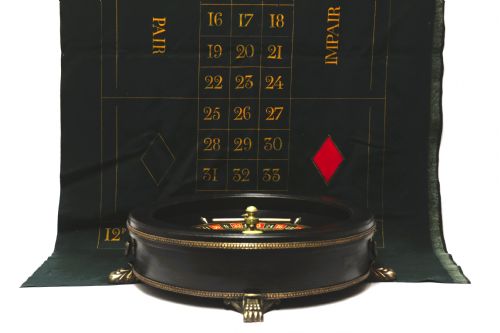
Upholstery relied on traditional textile applications including damask and specialised upholstery fabric secured to sprung or padded frames. Brass elements occasionally reinforced structural points or decorated gaming antiques associated with the salon.
French Parlor Set Retail Price Guide 2026
Typical asking prices for french parlor set among the pieces listed under this phrase on Sellingantiques today, from the lower quarter to the upper quarter. They describe what is for sale here now, not the wider market.
Styles span Rococo Revival, Louis XV Revival, Art Nouveau, and Empire Revival configurations.
Markers of distinction
Depth and precision of timber carving separate standard production from superior examples. Crisp detailing along the crest rails and cabriole legs indicates skilled cabinet work.
Integrity of the timber frame and retention of period textile coverings influence overall standing. Suites that preserve matching wood patination and cohesive upholstery display greater harmony.
Morison & Co of Edinburgh
The French Parlor Set Glossary
- Rococo Revival
- A nineteenth-century design movement favouring asymmetrical scrollwork, naturalistic floral carving, and curved serpentine lines. This style dominates many mid-nineteenth-century salon suites.
- Salon Suite
- A matched group of seating furniture designed for a formal reception room. These groupings typically include a settee paired with matching armchairs and side chairs.
- Ebonised Wood
- Timber treated with a chemical finish or dark stain to imitate ebony. This dark surface finish appears on Victorian armchairs and side chairs.
- Damask
- A reversible figured fabric traditionally woven on a jacquard loom with patterns visible on both sides. It serves as a standard upholstery textile for formal seating.
French Parlor Set: Frequently Asked Questions
What pieces make up a salon suite?
A salon suite typically combines matching armchairs, side chairs, and occasionally settees designed to furnish a formal reception room.
These coordinated groupings ensure visual harmony across the primary seating areas of period interiors.
How do I identify a revival style?
Revival styles draw upon earlier historical aesthetics, such as Louis XV, Louis XVI, or Empire designs, interpreted by nineteenth-century makers.
Examining the carved motifs, leg shapes, and frame geometry reveals which historical period inspired the cabinetmaker.
Are these suites suitable for daily use?
These antique furnishings function effectively in modern settings when placed with consideration for their structural age and delicate timber frames.
Regular care helps preserve the original carved walnut surfaces and period upholstery textiles.
What timber was standard for these sets?
Walnut serves as the predominant timber seen across these salon suites and chairs, alongside mahogany and ebonised wood.
Timber choice directly influenced the weight of the frame and the complexity of the carved ornamentation.