



French Panel Bed
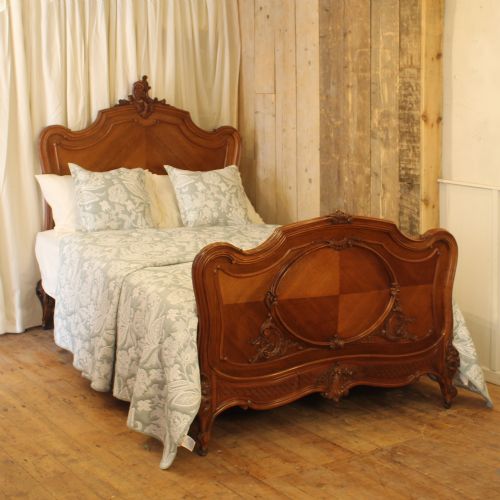
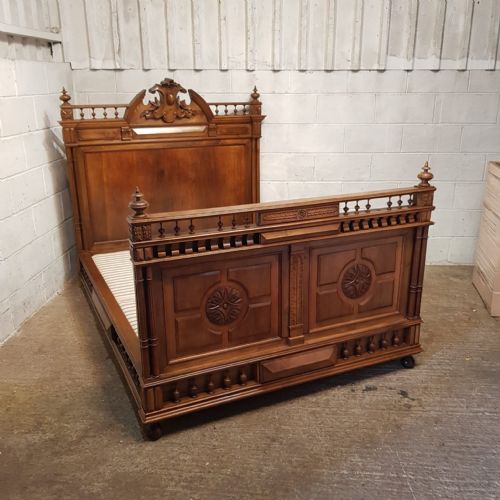
A french panel bed brings architectural depth to a bedroom through carved wood, painted scenes, or inset panels.
French Panel Bed
A french panel bed encompasses substantial wooden bedframes and bedsteads originating from various periods including the late nineteenth century and early twentieth century. You will frequently encounter walnut and oak constructions alongside pieces featuring painted floral or portrait panels.
The selection ranges from single and double sizes to king and emperor proportions, sometimes accompanied by matching bedside cabinets. Alongside standard bedframes, the category includes related storage forms such as coffers and chests sharing similar stylistic roots.
Stylistic influences span Louis XVI Revival, French Rococo, and French Provincial designs. Pieces also draw upon seventeenth-century traditions and Henri II revivals, displaying carved details and distinct regional characteristics.
How they were made
Construction relies heavily on solid timbers such as walnut, oak, and rosewood, shaped into robust bedframes and panelled headboards. Wood is frequently carved with deep relief motifs or paired with cane work.
Surface decoration involves hand-painted polychrome scenes, floral arrangements, and painted leather panels set within the wooden framework. Brass hardware and gilt accents occasionally provide additional detailing to the timber structures.
French Panel Bed Retail Price Guide 2026
Typical asking prices for french panel bed among the pieces listed under this phrase on Sellingantiques today, from the lower quarter to the upper quarter. They describe what is for sale here now, not the wider market.
Some single beds come with painted leather panels, proving that even a modest sleeping arrangement deserves a touch of fine art.
What varies in quality
The sophistication of the woodcarving dictates much of the distinction between pieces, with deep, hand-chisel relief work standing apart from simpler moulding. Timbers selected for the frame also range from standard local woods to finely figured walnut and rosewood.
Painted panels show differing degrees of artistic skill, where delicate hand-painted portraits or detailed floral compositions elevate the visual impact of the bedstead. The overall structural integrity and the harmony of matching side pieces further define the standing of a bed.
The French Panel Bed Glossary
- Bedstead
- The framework of a bed consisting of headboard, footboard, and rails. It supports the mattress and forms the primary visual element of the bed.
- Polychrome
- Decorated in multiple colours. This technique appears on panels featuring hand-painted portraits or floral designs.
- Coffer
- A large wooden chest used historically for storage. Examples in this category share period construction methods with the bedframes.
- Louis XVI Revival
- A nineteenth-century style drawing on eighteenth-century French classicism. It often incorporates straighter lines and restrained classical carving compared to earlier rococo forms.
French Panel Bed: Frequently Asked Questions
What sizes do these beds come in?
These beds are available in various proportions ranging from single and double sizes up to king and emperor dimensions. Widths and lengths vary according to the original period standards and subsequent adjustments.
Buyers should verify the internal dimensions carefully to ensure modern mattresses fit the antique frames correctly.
Are bedside cabinets included with every bed?
Most listings offer the bedframe or bedstead independently as a standalone focal point for the bedroom. Certain entries include matching ensuite bedside cabinets designed in the same wood and style.
Checking the specific title and description clarifies whether auxiliary furniture accompanies the main bed.
What materials are used in the frames?
Construction primarily utilises solid hardwoods including walnut, oak, and rosewood, complemented by timber components and brass fittings. Decorative elements incorporate paint, gilt, and cane.
Surface finishes range from natural polished wood grains to elaborate hand-painted panels depicting flowers or portraits.
How do I identify the stylistic period?
Stylistic cues such as Rococo curves, seventeenth-century panels, or Louis XVI revival lines help indicate the design origin. Dates span from seventeenth-century pieces to late nineteenth and early twentieth-century revivals.
Comparing the carving depth, hardware, and painted motifs provides a clear indication of when the piece was produced.