




French Painted Coffee Table
A french painted coffee table brings continental grace and historic texture into a room, offering a surface that is both functional and decorative.
French Painted Coffee Table
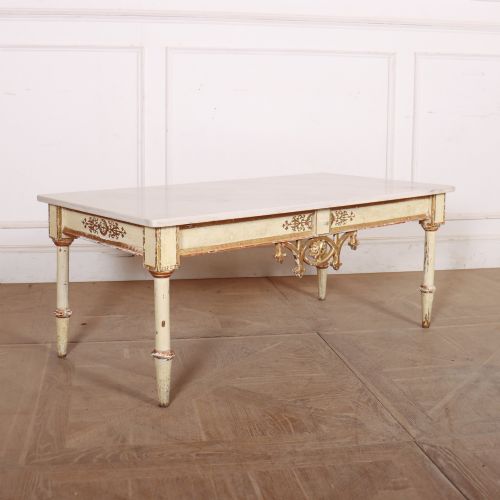
A french painted coffee table draws on historical forms ranging from nineteenth century examples to early twentieth century pieces. Buyers encounter various interpretations, including side tables adapted for low surfaces, occasional tables, and occasional low coffee wine side stacking tables.
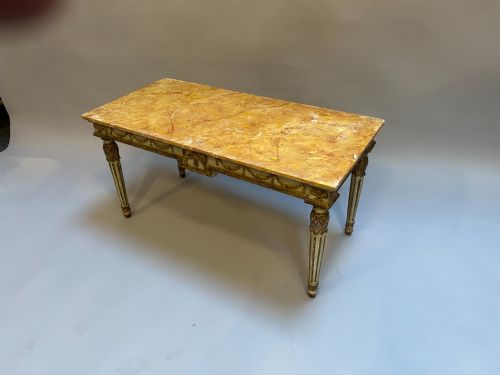
The selection includes specific regional and formal expressions such as French Provincial, Mid Century French, and Italian Neoclassical. Pieces often reflect periods like the Edwardian era, nineteen hundred, and the nineteenth century, showing diverse aesthetic lineages.
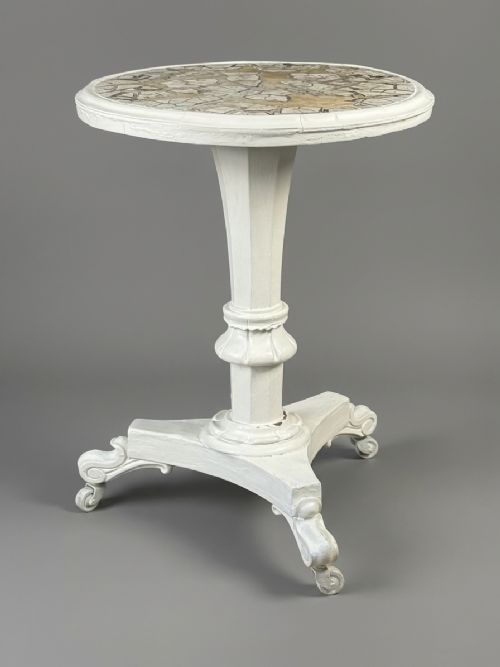
Forms extend beyond conventional central tables to encompass benches, garden tables, and nests of tables. This variety allows a french painted coffee table to integrate into diverse interior schemes.
Materials and construction methods
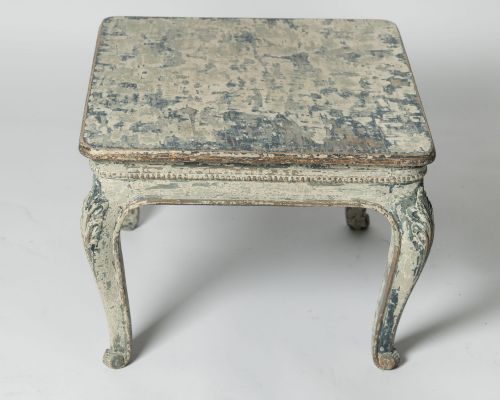
Construction relies on wood, timber, and painted wood substrates, often enhanced by decorative paint finishes and giltwood accents. Artisans employed carving and structural joinery suited to side tables, window seats, and occasional tables.
Surface treatments feature applied lacquer and detailed painted decorations. Marble tops appear on several pieces, providing a durable and cool stone surface supported by timber frames.
French Painted Coffee Table Retail Price Guide 2026
Typical asking prices for french painted coffee table among the pieces listed under this phrase on Sellingantiques today, from the lower quarter to the upper quarter. They describe what is for sale here now, not the wider market.
One exceptional Edwardian nest comes signed by E. Daligny, proving that four tables really can stack into the footprint of one.
Assessing quality in painted tables
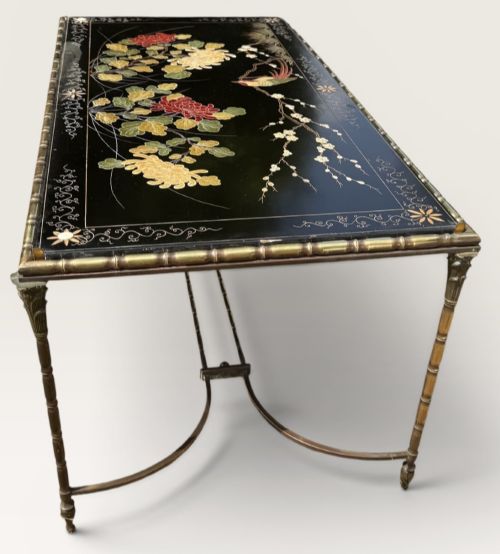
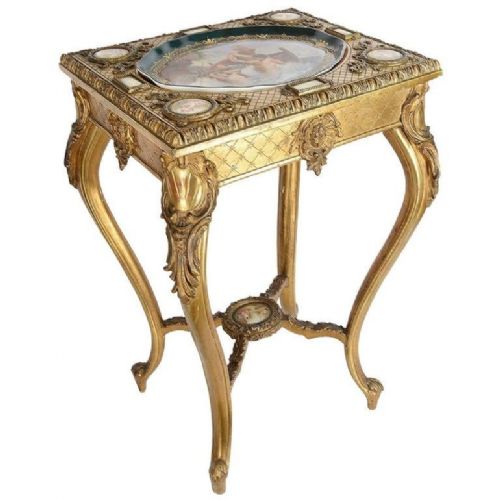
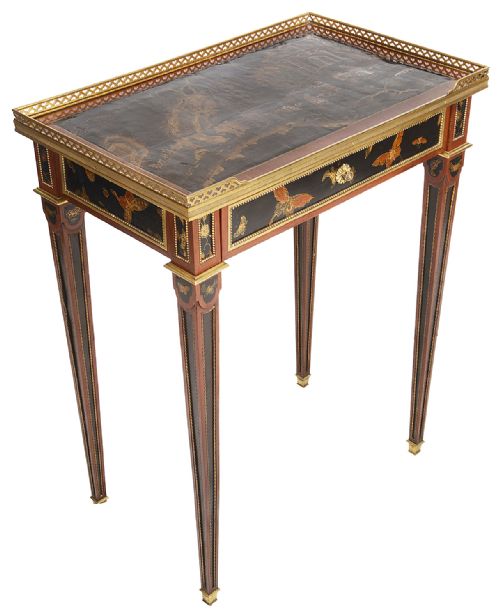
Quality differentiates through the execution of the painted surface, the complexity of carved details in styles like Rococo Revival and Louis XVI, and the integration of materials such as marble or porcelain mounts. Tables featuring specialised techniques like chinoiserie lacquer display greater artisan investment.
The structural integrity of the timber frame and the finesse of applied giltwork dictate the longevity and visual impact of each piece. Maker attribution, where present through signatures, elevates the standing of an individual table.
Maison Bagues·E Daligny
The French Painted Coffee Table Glossary
- Giltwood
- Wood decorated with gold leaf or gold paint applied to the surface. This finish accentuates carved details on frames and legs.
- Chinoiserie
- European artistic style reflecting Chinese motifs and lacquer techniques. It appears on decorative tables from the early twentieth century.
- Marble top
- A slab of polished limestone fitted to the upper surface of a table. This provides a hardwearing and decorative finish.
- Quartetto nest
- A set of four graduating tables designed to stack together. These tables offer flexible surface space in compact rooms.
French Painted Coffee Table: Frequently Asked Questions
What is a french painted coffee table?
A french painted coffee table is a low surface originating from periods like the nineteenth century or early nineteen hundreds, finished with decorative paint.
These pieces encompass various styles such as French Provincial, Louis XVI, and Rococo Revival, utilising wood, marble, and lacquer.
How were these tables used historically?
These tables served as occasional furniture for holding items in sitting rooms, parlours, and drawing rooms. Some forms began as side tables, window seats, or garden tables before functioning as coffee tables.
Nested tables and quartetto sets provided expandable surfaces for entertaining guests. Marble topped variants offered durable spaces for drinks and decorative objects.
How do I style a painted table?
Pairing a painted wooden or giltwood table with upholstery helps anchor it within a modern or traditional sitting room. The painted finish allows the piece to complement existing colour schemes without overwhelming the space.
Allowing the natural grain, lacquer, or marble top to remain visible preserves the character of the piece. Combining these tables with complementary side tables or nests creates a cohesive arrangement.
How can I tell the period apart?
Dating relies on stylistic markers such as neoclassical symmetry, Rococo curves, or Edwardian proportions. Materials like brass mounts, lacquer, and porcelain plaques also indicate specific manufacturing eras.
Reference to nineteenth century aesthetics or mid century forms helps place a table within its historical context. Construction details and signatures provide further confirmation of age.