


French Ormolu Column Lamps
French ormolu column lamps are dignified, heavy-footed sources of warmth that anchor a room with classical authority.
French Ormolu Column Lamps
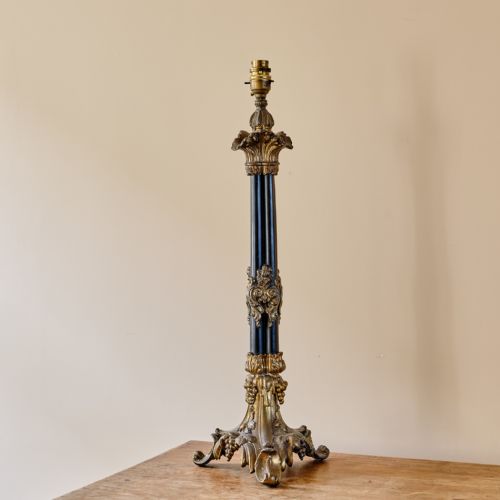
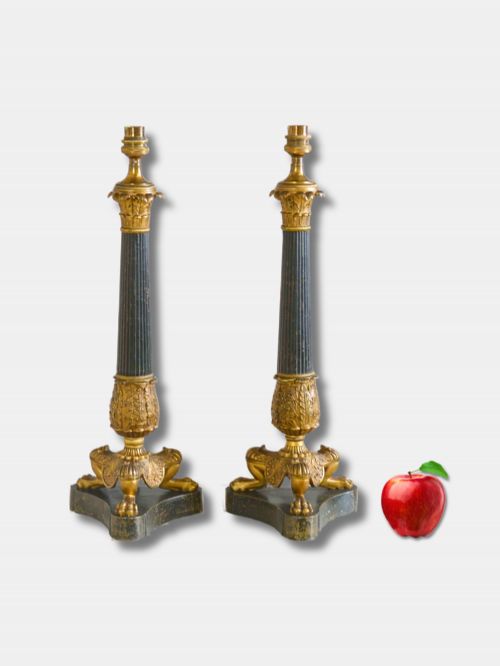
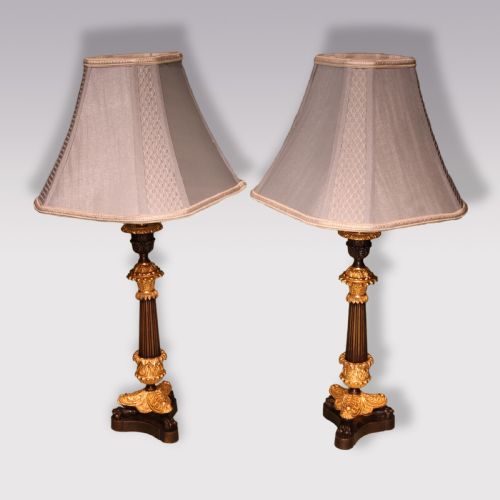
French ormolu column lamps stand as solid testimonies to classical design, taking the form of table lamps and standard lamps rooted in nineteenth-century workshops. When searching for french ormolu column lamps, a buyer encounters stately proportions shaped by neoclassical, empire, and regency styles. These pieces frequently appear in pairs, bringing symmetry and formal presence to a mantelpiece, sideboard, or side table.
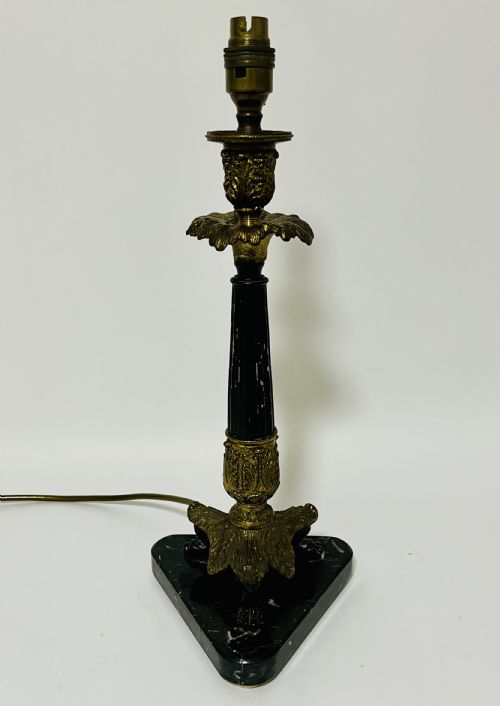
The architectural column format draws heavily on ancient Greek and Roman orders, often combined with gilded mounts and substantial bases. Examples range from compact nineteenth-century table pieces to taller early twentieth-century creations incorporating glass, rock crystal, or marble shafts. This mix of stately metals and mineral columns provides an enduring interior accent suited to traditional and eclectic spaces alike.
How they were made
The construction of these fixtures relies on the skilful fusion of cast metals, combining ormolu and gilt bronze with patinated bronze elements. Artisans utilised mercury gilding or gold leaf applied over bronze substrates to achieve that characteristic bright metallic finish. Marble, glass, and rock crystal frequently form the central shafts, turned and polished before being secured between metal mounts.
Foundry work involved intricate sand casting or lost-wax techniques, allowing for crisp leaf-tips, fluted shafts, and detailed lion paw feet. The structural parts were then mechanically joined with threaded rods and nuts, ensuring the heavy stone and metal components remained stable under their own weight.
What varies in quality
The distinction between ordinary and exceptional examples rests primarily on the crispness of the bronze chasing and the depth of the gilding. Superior items display sharp, hand-finished details in the acanthus leaves and fluting where a lesser casting appears soft and blurred. Furthermore, the weight and purity of the materials, such as solid marble columns versus plated alternatives, dictate the overall stature and longevity of the piece.
Proportion and architectural harmony also separate fine studio work from commercial production. The best pieces maintain a balanced relationship between the column shaft, the decorative base, and the chosen mounts, whereas lesser examples can feel disjointed or overly heavy in the casting.
The French Ormolu Column Lamps Glossary
- Ormolu
- A gilded bronze surface created by applying a mixture of finely ground gold and mercury to a bronze base, or through modern electroplating methods. This technique yields a durable, warm golden lustre characteristic of fine decorative arts.
- Empire
- A nineteenth-century design style inspired by the classical motifs of ancient Rome, Greece, and Egypt under Napoleon. It favours strong architectural lines, military trophies, and rich gilt mounts.
- Patinated bronze
- Bronze that has been treated chemically to produce a dark, aged surface tone. This dark finish contrasts sharply with the bright highlights of the surrounding ormolu.
- Regency
- An English stylistic period mirroring French empire tastes, known for classical restraint and heavy reliance on bronze and gilt details. Pieces from this era often incorporate animal paw feet and classical columns.
- Rock crystal
- Clear quartz cut and polished into decorative elements or column shafts. Its natural transparency adds refractive brilliance when paired with gilded metal.
French Ormolu Column Lamps: Frequently Asked Questions
Are these lamps originally wired for electricity?
Almost all surviving period examples have been converted from earlier lighting forms, such as oil lamps or candlesticks. The original metal structures were subsequently drilled or adapted to house electrical fittings.
When acquiring a piece, inspect the internal wiring path to ensure it respects the antique integrity of the metal shaft. Professional rewiring is recommended to meet modern safety standards safely.
How do I spot a true period piece?
Examine the weight, the construction joints, and the sharpness of the bronze chasing under magnification. Period nineteenth-century examples show hand-finished details and heavy cast components rather than light modern pressings.
Look for signs of age within the metal junctions and the wear patterns on the gilding. Consistency between the materials and the documented empire or regency styles helps confirm authenticity.
Where should I place a column lamp?
These tall, architectural forms suit sturdy sideboards, console tables, or large desks where their height creates a balanced focal point. Pairs work best flanking a mirror or framing a grand fireplace mantel.
Ensure the supporting surface is solid enough to bear the substantial weight of marble and bronze. Keep them away from damp areas to protect the gilt finishes and internal wiring.