
French Ormolu Bronze Lights
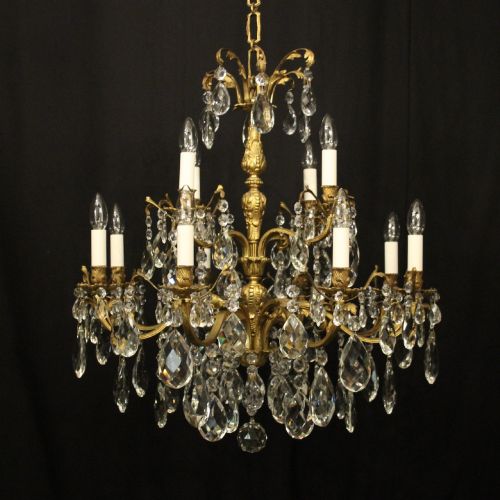
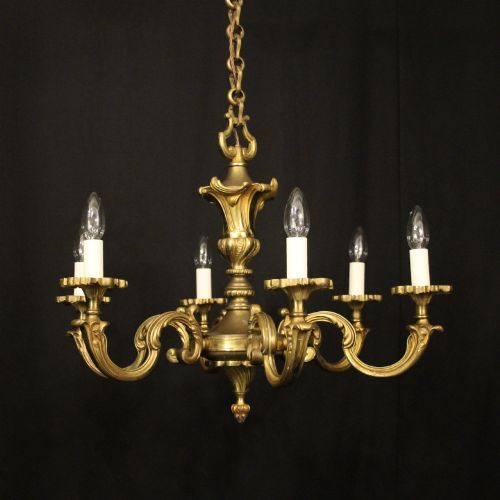
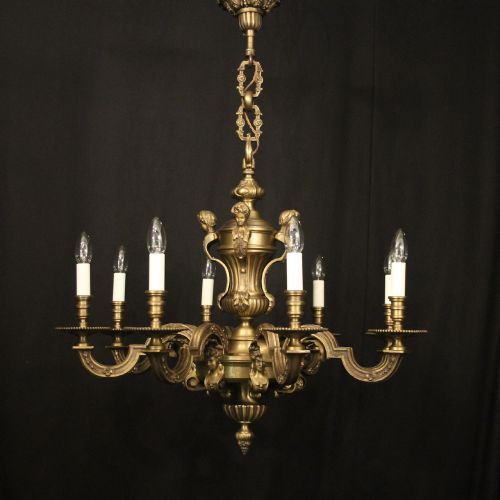
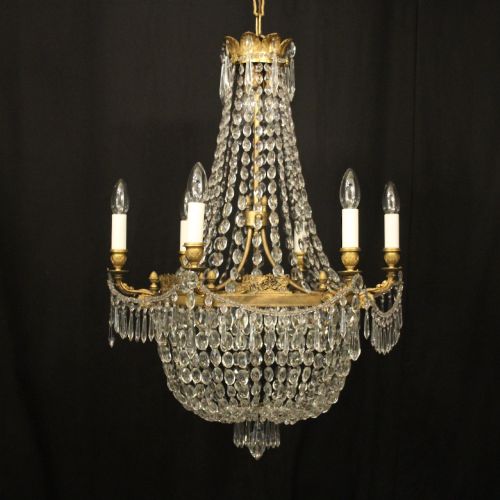
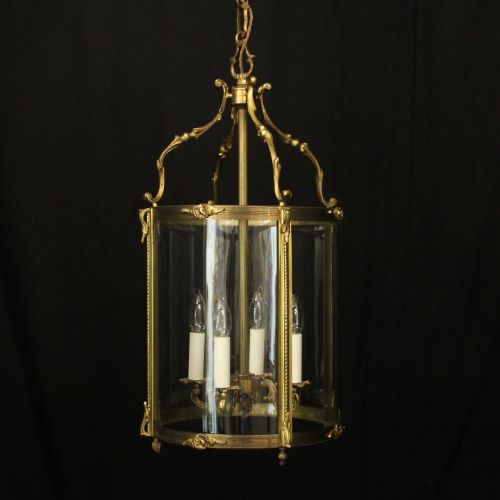
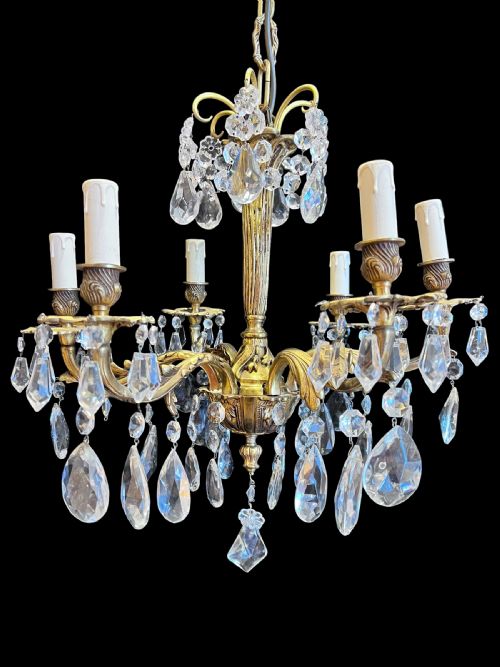
French ormolu bronze lights bring interior schemes period weight through cast metal illumination, predominantly taking the form of wall sconces and chandeliers.
French Ormolu Bronze Lights
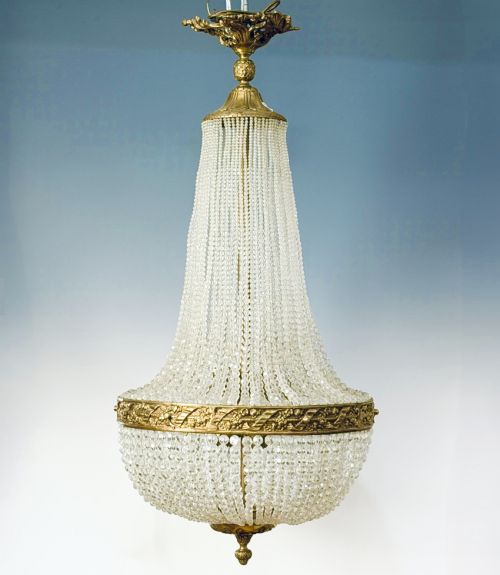
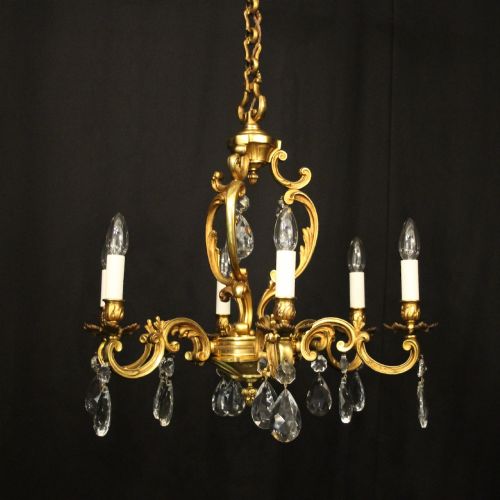
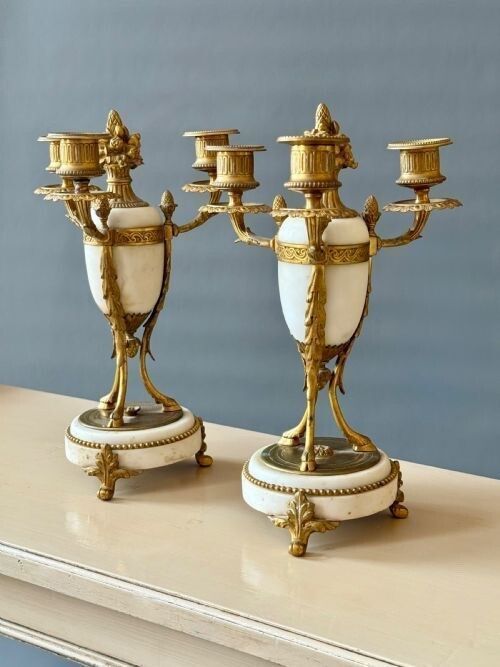
When searching for French ormolu bronze lights, buyers examine a range of lighting forms spanning chandeliers, wall lights, and candelabra. These items emerge primarily from the nineteenth century alongside eighteenth-century examples and twentieth-century interpretations.
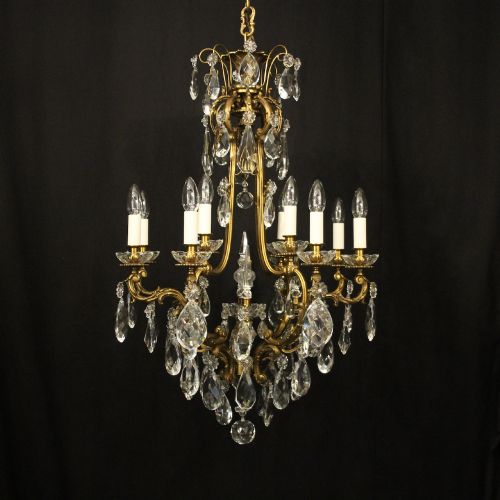
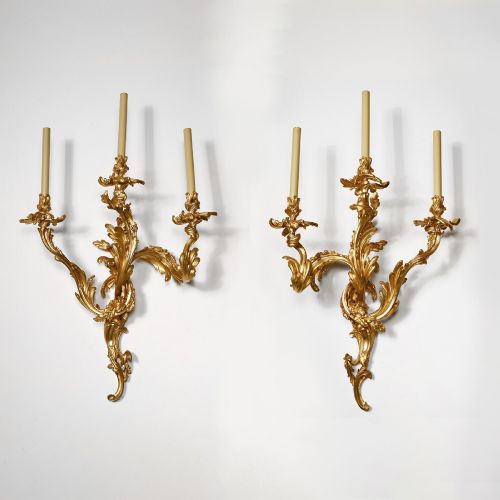
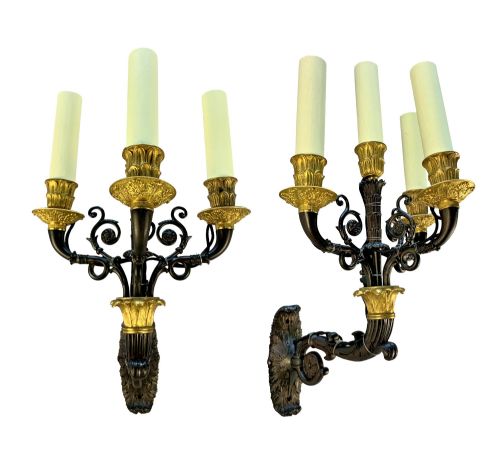
The most frequent items met on this page are multi-arm wall lights and chandeliers cast in gilt bronze and ormolu. These pieces often incorporate styles such as Louis XVI, French Rococo, and Empire.
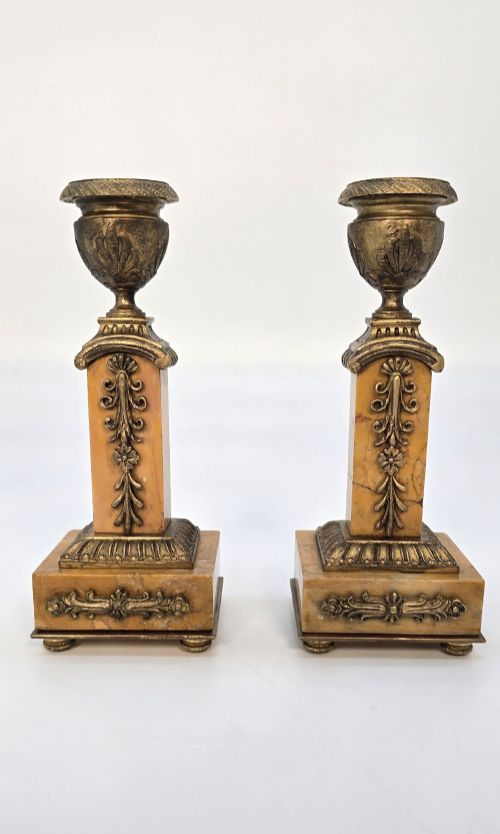
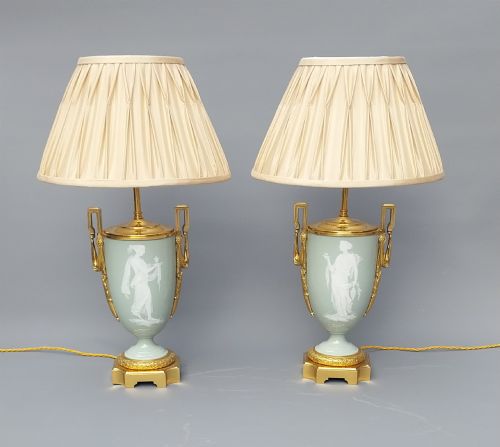
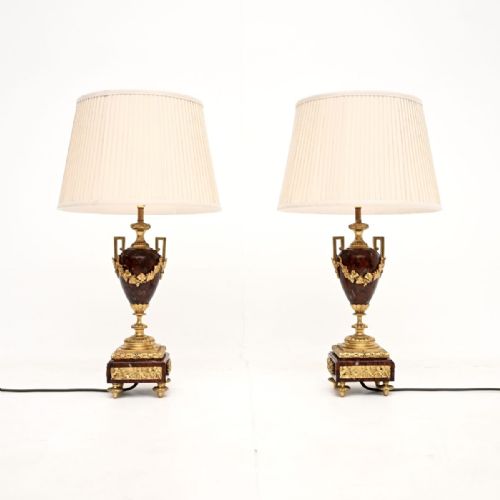
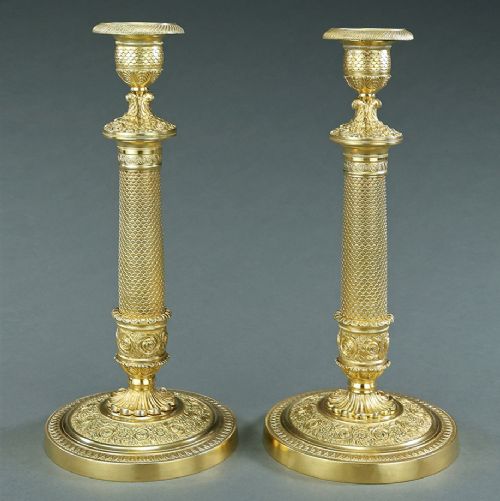
Smaller items like candlesticks and table lamps appear regularly, sometimes combined with materials like marble, porcelain, and crystal. The selection reflects domestic lighting traditions from chateaux and salons.
Materials and technique
Maker workshops utilised bronze cast via traditional methods, subsequently applying mercury gilding or surface ormolu to produce a rich metallic lustre. Patinated bronze surfaces also appear, offering a darker contrast to the gilt highlights.
Details involve hand-chasing after casting to sharpen decorative motifs such as acanthus leaves, cherubs, and classical drapery. Crystal drops, porcelain bodies, and marble bases integrate into the metalwork on more elaborate chandelier and lamp designs.
Current listings feature materials including gilt bronze, ormolu, porcelain, crystal, and patinated bronze across multiple centuries.
Evaluating quality
Quality rests in the crispness of the bronze chasing and the depth of the original gilding. Finer examples display sharp relief in floral and figural elements without soft edges from worn moulds.
Construction methods also divide standard production from exceptional work, visible in the weight of the metal components and the precision of the arm joints. Well-executed pieces maintain structural balance across multi-light chandeliers and heavy candelabra.
Barbedienne·Francois Redmond·Dugourc·Casier·Pierre Philippe Thomire
The French Ormolu Bronze Lights Glossary
- Ormolu
- A gold-bronze alloy applied to metal objects through mercury gilding or modern electroplating techniques. This finish provides the bright golden surface characteristic of fine decorative hardware.
- Candelabra
- Branched lighting fixtures designed to hold multiple candles simultaneously. They often feature detachable arms or central figural columns.
- Champleve
- An enamelling technique where troughs are carved into the metal surface and filled with vitreous enamel prior to firing. This method creates colourful decorative patterns on lamp bodies and mounts.
- Chasing
- The manual tooling of metal surfaces with punches and hammers after casting to refine details. Superior chasing distinguishes high-grade antique bronze work from routine commercial production.
- Patinated bronze
- Metal left with a dark chemical or natural surface tone rather than a gilt finish. It creates contrast against ormolu mounts on nineteenth-century pieces.
French Ormolu Bronze Lights: Frequently Asked Questions
How do I clean antique ormolu?
Dust gently with a soft dry cloth to protect the delicate gilt surface from abrasion. Avoid commercial metal polishes that strip the historic mercury gilding.
Moisture can harm underlying bronze or trapped materials like marble and crystal. Consult a professional conservator for deeper cleaning requirements.
Were these lights converted to electricity?
Many surviving chandeliers and wall sconces have undergone conversion from candles to electric wiring over their long lifespan. Original configurations occasionally survive in untouched candelabra.
Buyers should inspect the wiring method used during any twentieth-century updates. Rewiring by a qualified electrician ensures safe operation in modern homes.
What is the difference between ormolu and gilt bronze?
Ormolu specifically denotes the high-status mercury gilding process developed in France during the eighteenth century. The term gilt bronze often describes a broader category of gold-coloured metal finishes.
Both materials share a bronze substrate beneath the decorative golden layer. Visual inspection under magnification helps identify the historic amalgamation method.
How can I date a French bronze chandelier?
Stylistic indicators like neoclassical symmetry or rococo asymmetry provide initial chronological clues. Fasteners, arm construction, and threading methods offer further evidence of manufacture date.
Comparing cast motifs to documented pattern books helps narrow down the period. Eighteenth-century models differ notably from late nineteenth-century revival pieces.