






French Orientalist Art
French orientalist art captures distant lands through bronzes and paintings that bring nineteenth-century romanticism directly into your home.
French Orientalist Art
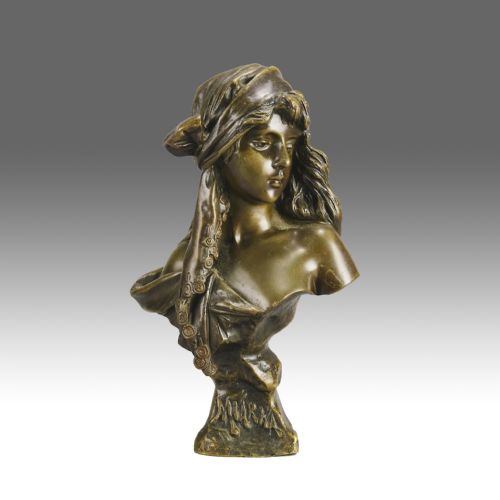
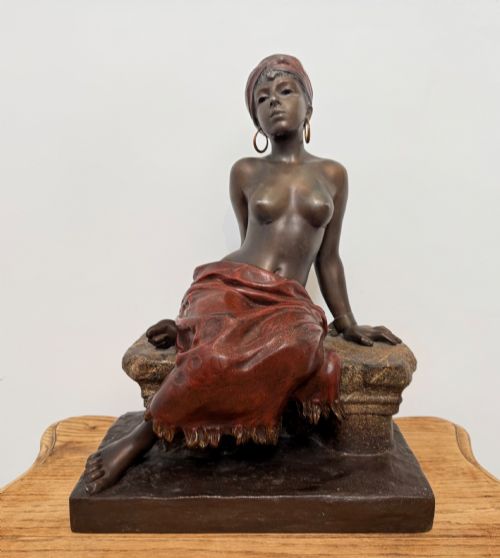
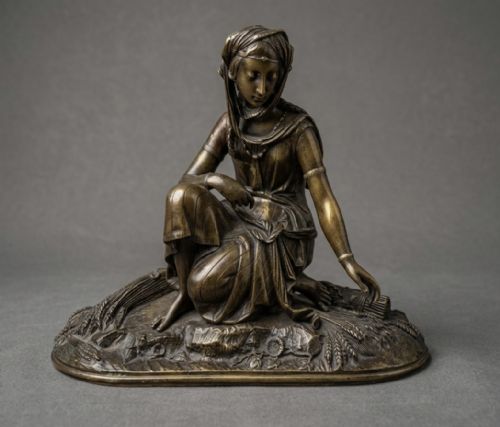
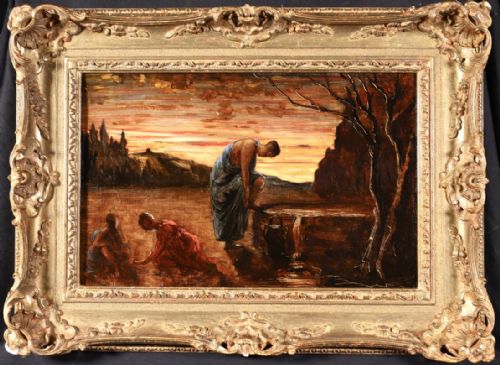
French orientalist art encompasses sculptures, paintings, and decorative objects shaped by nineteenth-century fascination with North Africa and the Near East. These pieces range from patinated bronze figures of merchants and dancers to detailed watercolours and canvas panels.
The selections on this page lean heavily towards nineteenth-century foundry bronzes and early twentieth-century works spanning Art Nouveau and Art Deco movements. You will encounter sculptural busts, table lamps, and framed artwork carrying distinct regional motifs.
Makers and subjects bridge traditional academic sculpture with modernist interpretations, including works by noted foundry artists and painters. Each piece reflects how French creators translated foreign subjects into European domestic interiors.
Materials and methods
Two-dimensional works employ watercolour, heightened charcoal drawing, oil, and encaustics on canvas and paper. These mediums capture light and texture, supporting detailed narrative scenes or avant-garde compositions.
Cabinet makers and ceramicists incorporated wood, glass, and enamelled faience, applying techniques such as lacquer design and porcelain moulding to lamps and decorative vessels.
French Orientalist Art Retail Price Guide 2026
Typical asking prices for french orientalist art among the pieces listed under this phrase on Sellingantiques today, from the lower quarter to the upper quarter. They describe what is for sale here now, not the wider market.
Listings span the nineteenth century through the 1930s, uniting academic bronze casting with Art Nouveau and Art Deco decorative arts.
Assessing quality
Quality rests in the crispness of the casting and the nuance of the patination on bronze figures, where sharper chiselling separates superior foundry work from softer recasts. The depth of expression in sculpted faces and the clean integration with marble plinths signal higher craftsmanship.
In paintings and works on paper, the strength of the brushwork and the preservation of the medium determine the visual impact. Works by documented hands display a command of tone and composition that elevates them above anonymous studio pieces.
Emmanuel Villanis·Arthur Waagen·Claire Colinet·Demetre Chiparus·Pierre Jules Mène
The French Orientalist Art Glossary
- Patinated bronze
- Bronze that has been treated chemically to produce a specific surface colour or tone. This finish protects the metal and accentuates sculptural contours.
- Encaustic
- A painting technique involving heated beeswax mixed with coloured pigments. The mixture is applied to canvas or panel and yields a durable, luminous surface.
- Faience
- Tin-glazed earthenware produced across Europe, particularly in France. It provides a smooth white ground for colourful enamel painting.
- Chinoiserie
- A European artistic style reflecting Chinese motifs and techniques. It often appears on decorative panels and lacquer cabinets.
- Veilleuse
- A French night light or ceramic warmer designed to hold liquid. These functional pieces often double as sculptural lamps.
French Orientalist Art: Frequently Asked Questions
What subjects do these pieces show?
These works typically depict figures from North Africa and the Near East, including merchants, dancers, snake charmers, and falconers. Artists also produced architectural scenes and domestic interiors inspired by travel.
Alongside figurative bronzes, you will find botanical compositions, animal studies, and mythological or literary themes rendered in paint and sculpture.
How do I care for bronze sculptures?
Bronze requires minimal intervention beyond dusting with a soft, dry cloth to prevent particulate buildup. Avoid chemical cleaners or polishes that can strip the patination from the metal surface.
Keep pieces away from direct heat sources and excessive moisture to protect any integrated marble bases or wooden elements.
How do I distinguish Art Nouveau from Art Deco pieces?
Art Nouveau works, produced around the turn of the twentieth century, feature flowing lines, organic curves, and naturalistic motifs inspired by plants and hair. Figures often display dreamy or romantic expressions.
Art Deco pieces from the 1920s and 1930s favour geometric discipline, stylised symmetry, and sleek, dynamic representations of dancers and animals.
Where were these artworks originally displayed?
Many of these bronzes and paintings were created for urban salons and drawing rooms in nineteenth-century France. They served as conversation pieces that reflected the owner's cosmopolitan interests and travels.
Smaller decorative items, such as perfume lamps and table lamps, functioned as practical furnishings within affluent European homes.