





French Opalescent Glass Vessel
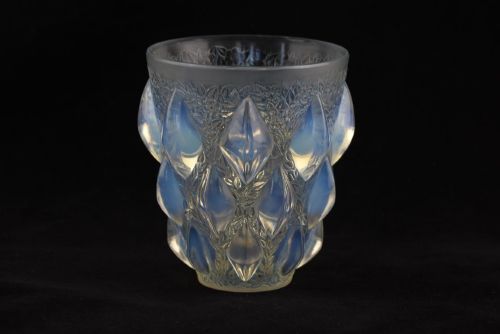
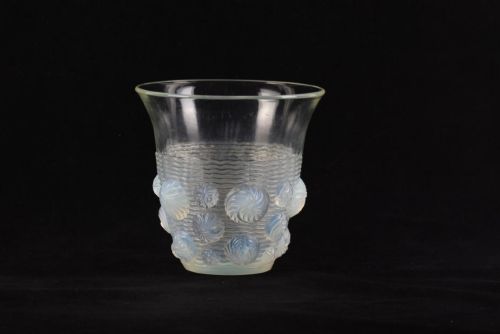
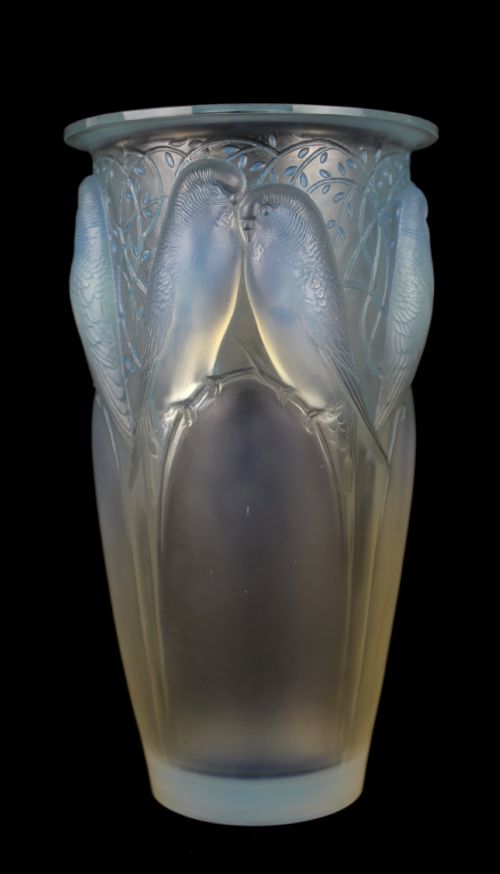
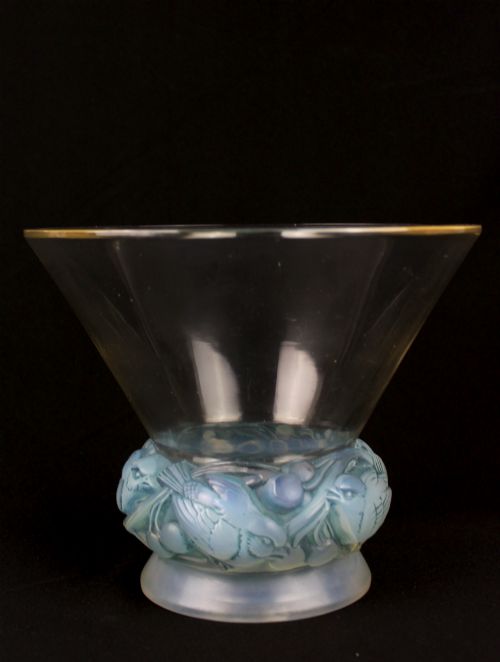
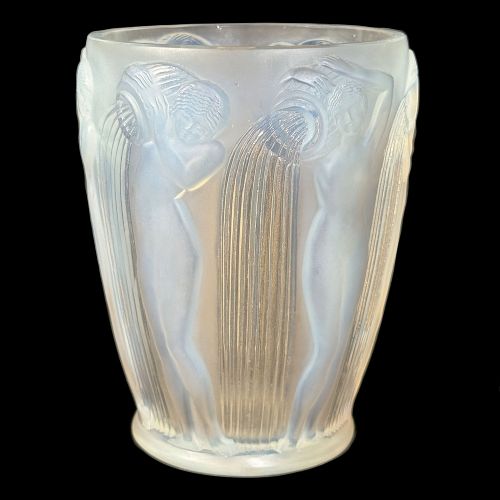
A french opalescent glass vessel catches the light with milky blue fires, offering the sculptural weight of the Art Deco and Art Nouveau periods.
French Opalescent Glass Vessel
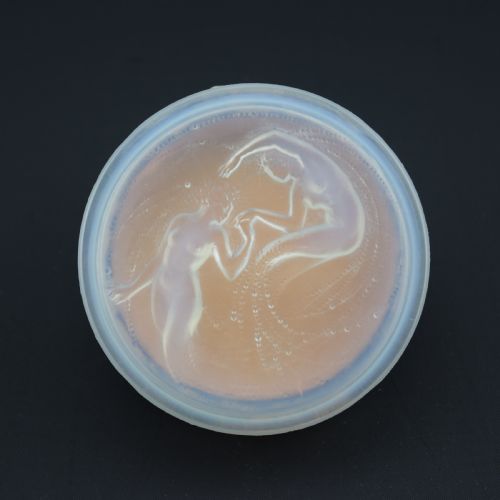
A french opalescent glass vessel brings tactile form to interior spaces through sculptural relief and translucent qualities. These pieces emerge primarily from the decorative traditions of the early twentieth century, spanning the Art Deco and Art Nouveau movements. Vases, decorative bowls, and trinket boxes constitute the main forms available to collectors.
The most prevalent examples on this page date from the 1920s and 1930s, alongside earlier work from the 1900s. These vessels take shape through moulded and pressed techniques, often displaying botanical motifs like ferns and berries or figurative subjects such as water carriers and sirens.
Makers utilised special chemical properties in the glass mixture to create the signature milky blue glow when struck by light. Collectors encounter both clear crystalline bodies with opalescent highlights and pieces enhanced by coloured staining.
Quality factors
Quality in a french opalescent glass vessel rests upon the crispness of the moulded relief and the intensity of the light play within the material. Superior pieces display deep, intentional contrast between the milky opalescence and the translucent body of the glass.
The sophistication of the design, whether botanical or figurative, dictates the aesthetic success of the piece. Greater depth in the moulding and careful finishing of the surface define the upper tier of these works.
French Opalescent Glass Vessel Retail Price Guide 2026
Typical asking prices for french opalescent glass vessel among the pieces listed under this phrase on Sellingantiques today, from the lower quarter to the upper quarter. They describe what is for sale here now, not the wider market.
Listings feature opalescent glass, frosted glass, and cameo glass across Art Deco and Art Nouveau styles.
Rene Lalique·Galle
The French Opalescent Glass Vessel Glossary
- Opalescent glass
- A type of glass that appears milky blue in reflected light and amber or warm tones in transmitted light. This optical phenomenon results from specific chemical agents added during melting.
- Pressed glass
- Molten glass shaped by being pressed into a metal mould with a matching plunger. This method allows for repeatable decorative patterns and high relief.
- Cameo glass
- Art glass vessels produced by layering two or more colours of glass and carving away sections to create a raised design. This technique requires meticulous hand carving.
- Art Deco
- A design style of the 1920s and 1930s characterised by stylised motifs, geometric symmetry, and streamlined forms. It succeeded the more organic curves of Art Nouveau.
- Frosted glass
- Glass treated to achieve a textured, matte surface rather than a transparent finish. Acid etching or sandblasting typically creates this appearance.
French Opalescent Glass Vessel: Frequently Asked Questions
What is a french opalescent glass vessel?
A french opalescent glass vessel is a decorative object made from glass that scatters light to produce a milky blue or fiery sheen. These items include vases, bowls, and boxes produced during the early twentieth century.
Artisans shaped these pieces using pressed and moulded techniques, often incorporating floral or figurative designs characteristic of the Art Deco and Art Nouveau styles.
How do I date a glass vessel?
Dating relies upon the stylistic markers of the design, such as the geometric symmetry of Art Deco or the organic curves of Art Nouveau. The evidence on this page points primarily to the decades between 1900 and 1930.
Maker signatures, registry marks, and the specific moulding techniques also help establish the chronological period of manufacture.
How were these vessels used?
These vessels served primarily as decorative interior ornaments, centrepiece bowls, and receptacles for small personal items. Vases held floral arrangements, while trinket boxes stored jewellery on dressing tables.
The artistic quality of the glass meant they functioned as display pieces in their own right, catching daylight within domestic interiors.
What causes the opalescent effect?
The milky blue appearance is an optical property created by adding specific ingredients, such as bone ash, to the molten glass batch. As light passes through the cooled glass, these additives scatter the shorter blue wavelengths.
This scattering creates the characteristic dual-colour effect where the glass looks blue in reflected light and warm in transmitted light.