





French Oak Panels
French oak panels bring genuine architectural character to a room, offering tactile warmth and centuries of craftsmanship.
French Oak Panels
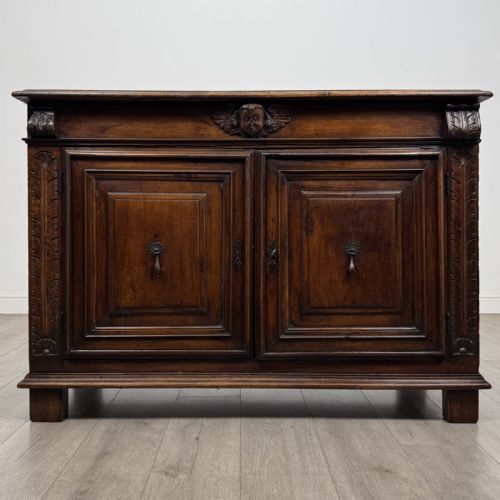
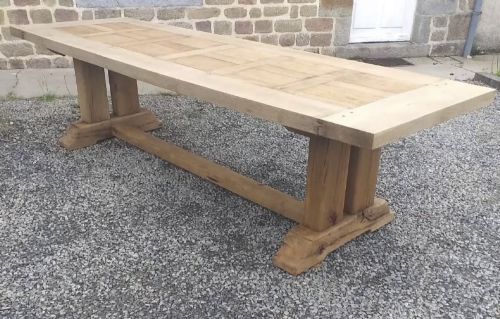
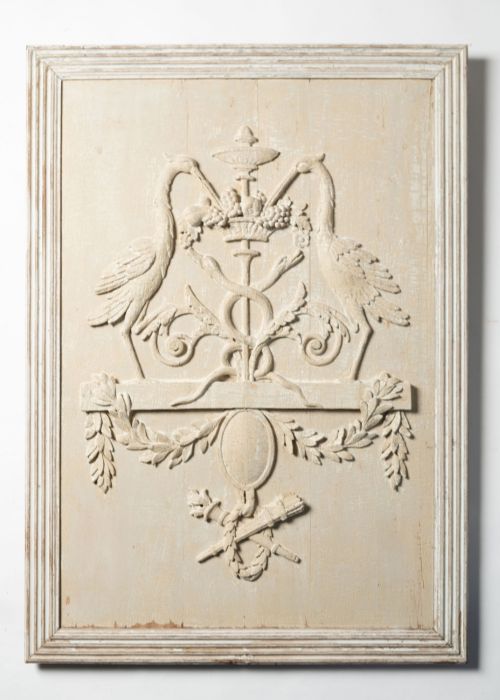
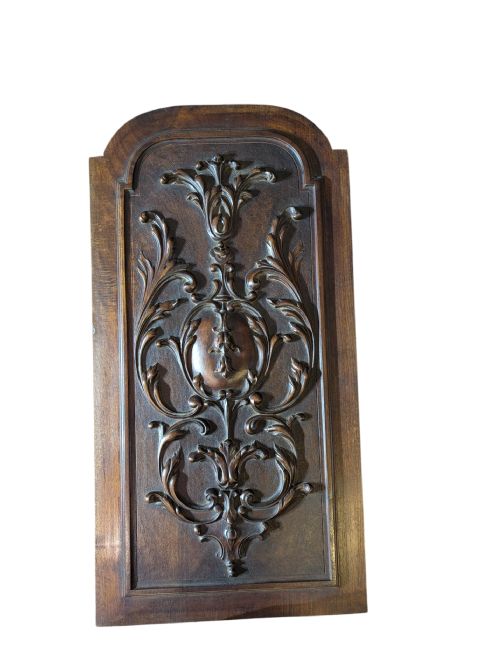
French oak panels form a distinct category of architectural salvage and decorative woodwork, appearing primarily in formats such as carved wall elements, doors, and furniture components. When searching for french oak panels, buyers encounter pieces spanning the seventeenth through the nineteenth centuries, reflecting styles from provincial rustic to renaissance revival. The pieces available range from individual carved wooden sections to matched pairs of decorative panels.
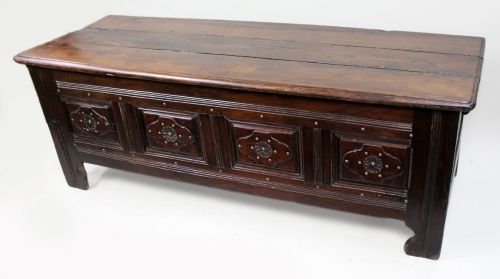
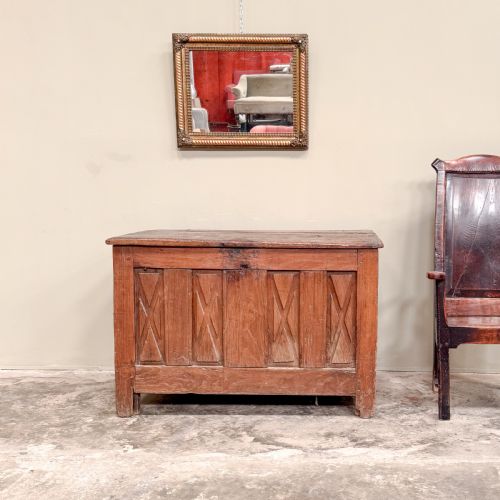
The material origins trace predominantly to French provincial and regional workshops, utilising solid timber harvested locally. Eighteenth-century examples often present as structural parts of larger cabinetry like buffets and coffers, while nineteenth-century items frequently emerge as isolated decorative panels or salvaged architectural fittings. This continuity of timber use provides a cohesive aesthetic for interior decoration.
Materials and construction
Makers utilised solid oak timber, selected for its dense grain and durability, frequently combined with iron and brass fixings or hinges on functional items like doors and coffers. Surfaces often display hand-carved relief work, ranging from geometric motifs to figurative subjects, executed directly into the native wood.
Joinery techniques relied on traditional pegged mortise and tenon construction, ensuring structural stability across centuries. Some pieces retain traces of historic paint or bleached finishes applied to the timber surface.
French Oak Panels Retail Price Guide 2026
Typical asking prices for french oak panels among the pieces listed under this phrase on Sellingantiques today, from the lower quarter to the upper quarter. They describe what is for sale here now, not the wider market.
Current listings feature French oak pieces primarily from the 17th, 18th, and 19th centuries, alongside painted wood and iron materials.
Evaluating quality and execution
Quality in these wooden elements depends upon the depth and crispness of the hand-carved detailing, where skilled execution distinguishes superior artistic merit from simpler provincial work. The integrity of the original timber grain and the survival of authentic surface patination further separate exceptional examples from heavily restored pieces.
Proportion and balance within the carved design scheme dictate the visual impact of the woodwork. Pieces that retain their original structural context, such as paired panels or complete architectural fragments, command greater appreciation for their historical completeness.
The French Oak Panels Glossary
- Architectural salvage
- Building elements removed from historic structures for reuse in interior design. These items preserve period craftsmanship and materials.
- Coffers
- Large timber storage chests constructed with heavy panel sides. They frequently date to the seventeenth and eighteenth centuries.
- Provincial
- Objects originating from regional areas outside major capital cities. This style often exhibits robust, utilitarian construction with charming local decorative variations.
- Buffet a deux corps
- A tall, two-bodied storage cabinet featuring upper and lower cupboard sections. These pieces showcase elaborate panel construction and substantial oak timber.
French Oak Panels: Frequently Asked Questions
How are architectural panels used in modern interiors?
These wooden elements are typically mounted directly onto interior walls as decorative focal points or integrated into custom cabinetry and panelling schemes. They provide immediate historical depth to plain plaster surfaces.
Buyers also utilise matched pairs of panels as decorative overmantels or headboards. Their substantial timber presence anchors a room's decorative scheme.
How do you date antique French oak woodwork?
Dating relies on examining the tool marks left by hand-working, the style of the carved motifs, and the construction methods used in the joinery. Seventeenth and eighteenth-century pieces often display hand-adzed surfaces and pegged joints.
Later nineteenth-century revivals frequently incorporate machine-sawn elements alongside hand-carving. Comparing the piece against documented regional furniture styles assists in narrowing the period.
What is the difference between provincial and revival styles?
Provincial pieces were made for daily use in regional homes during specific periods like the eighteenth century, showing straightforward utility. Revival styles, popular during the nineteenth century, consciously copied earlier aesthetic movements such as the Renaissance.
Original provincial items carry the straightforward utilitarian design of their era. Revival pieces often display more theatrical or ornamental carving execution.
How do you care for antique oak panels?
Maintenance requires keeping the timber away from direct heat sources and extreme humidity fluctuations to prevent wood splitting. Regular dusting with a dry, soft cloth preserves the surface.
Applying occasional specialist wax helps nourish the dry oak grain without building up heavy residues. Avoiding harsh chemical cleaners protects the historic patina.