


French Oak Chest of Drawers
A french oak chest of drawers brings robust provincial character and practical storage to a room through solid timber construction and regional detailing.
French Oak Chest of Drawers
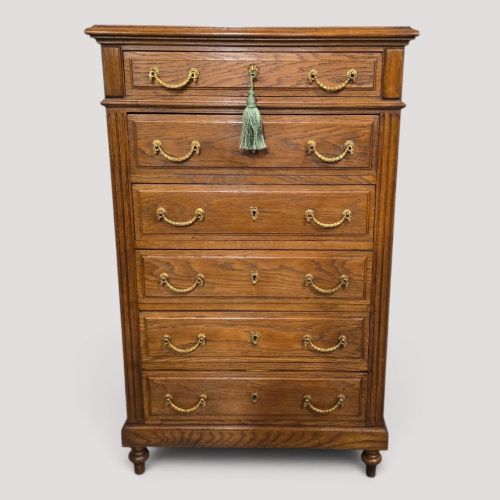
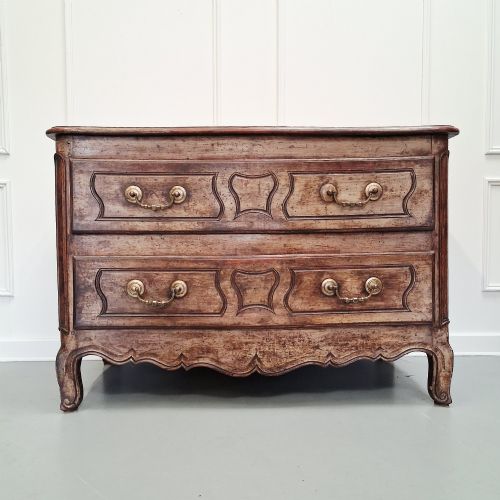
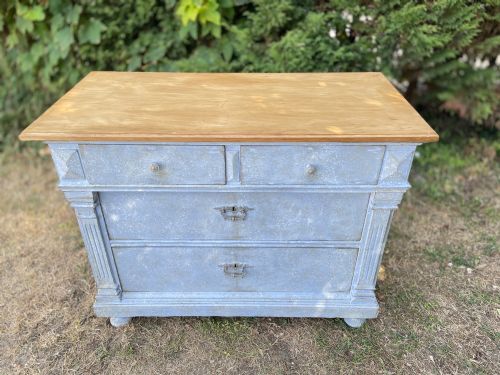
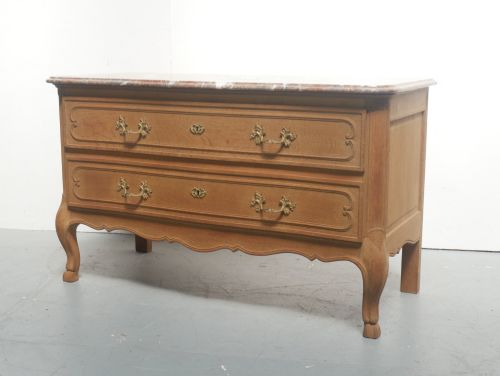
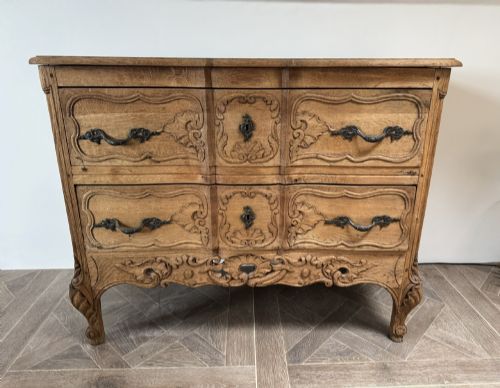
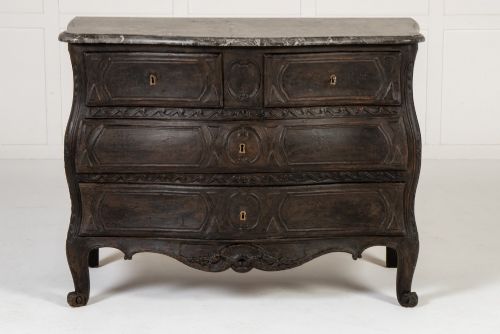
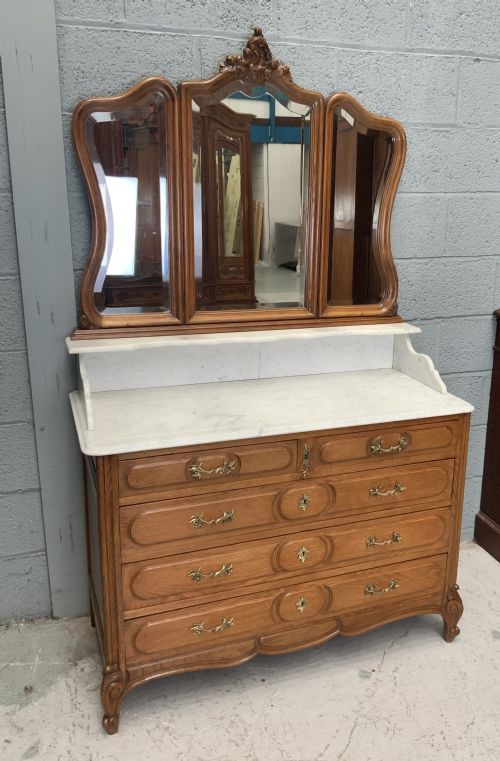
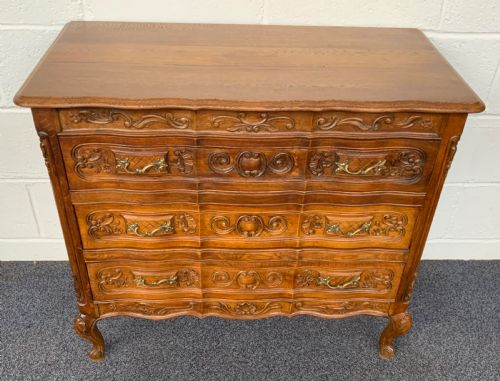
A french oak chest of drawers encompasses robust storage furniture built primarily in regional workshops across France, spanning centuries of evolving design from simple country utilitarian pieces to elaborate provincial interpretations. Buyers searching this phrase meet everything from eighteenth-century serpentine and bombe commodes to early twentieth-century carved oak and scrubbed timber chests, along with occasional variations like washstands and bedside tables.
The material focus centres firmly on oak, frequently encountered in its natural state, bleached, limed, painted, or combined with walnut and fruitwood accents. Regional French styles heavily influence the forms, drawing on Louis XV, Louis XVI, Gustavian, and provincial traditions that favour curved serpentine fronts or geometric carved panels over plain rectilinear boxes.
What varies in quality
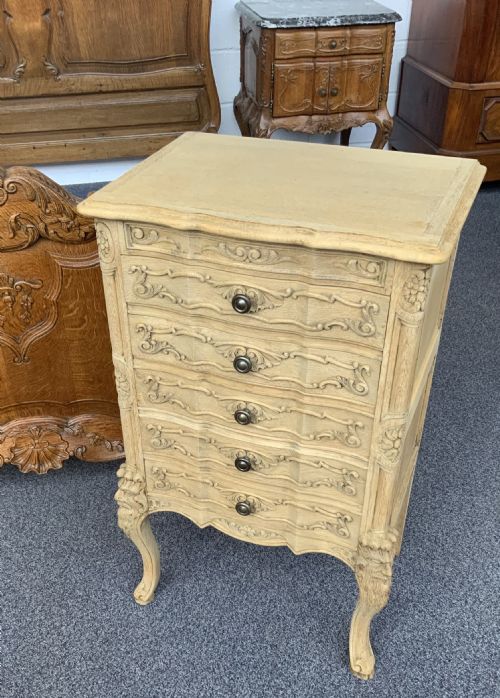
The distinction between ordinary and superior pieces rests upon the crispness of the hand-carved detailing and the architectural ambition of the silhouette, such as a well-proportioned serpentine or bombe contour. Heavy, dense timber and sophisticated joinery elevate certain examples, whereas simpler pieces rely on plain panel construction and straightforward linear forms.
Hardware integration also plays a role, with original brass handles and mounts contributing to the integrity of the piece. The finesse of surface finishes - whether a finely patinated scrubbed oak or an early painted surface - determines the visual weight and historical authenticity of the furniture.
Periods represented across the pieces range from eighteenth-century origins through the nineteenth century into early twentieth-century interpretations.
The French Oak Chest of Drawers Glossary
- Commode
- A low chest of drawers or cabinet originating in France during the seventeenth century. It typically stands on relatively short legs and serves as a principal bedroom or reception room storage piece.
- Serpentine
- A front shape characterised by a central convex curve flanked by two concave curves. This undulating outline requires exceptional cabinetmaking skill to execute in solid oak.
- Bombe
- A swollen or bulging convex contour found on the sides and front of certain commodes. The style demands complex joinery to curve thick timber without compromising structural stability.
- Bleached oak
- Oak timber treated to lighten its natural tone, exposing the grain texture. This finish is frequently utilised on French provincial furniture to achieve a softer, lighter aesthetic.
- Parquetry
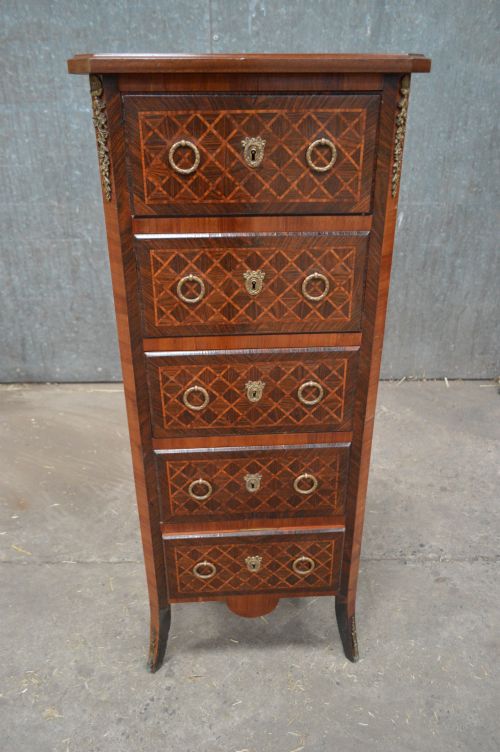
- Geometric patterns formed by small pieces of fitted wood veneer or solid timber inlaid into a surface. Wellington chests and specialised commodes occasionally display this decorative technique.
French Oak Chest of Drawers: Frequently Asked Questions
How do I spot an eighteenth-century commode?
Eighteenth-century examples typically feature hand-cut dovetails, pegged mortise and tenon joints, and native timbers such as oak or fruitwood shaped into serpentine or bombe silhouettes. The construction utilises hand tools throughout, resulting in subtle irregularities missing from later machine-made furniture.
Surface patination develops over centuries of handling, showing deep warmth in the grain. Hardware fixings on period pieces often match the hand-forged or cast brass styles characteristic of the era.
What is the difference between a commode and a chest of drawers?
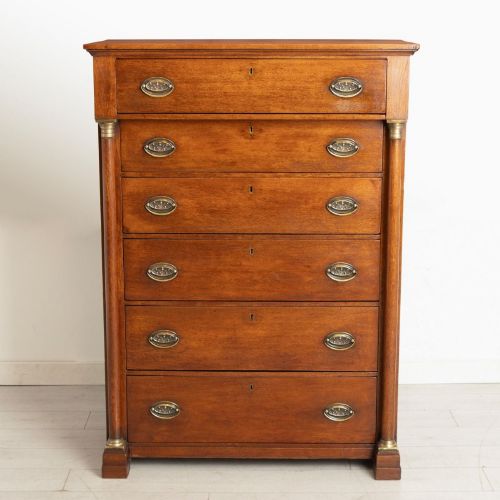
In British and French terminology, a commode generally denotes a low, ornate chest of drawers standing on legs, frequently associated with eighteenth and nineteenth-century continental design. Standard chests of drawers can be taller and follow rectilinear forms.
French commodes often incorporate curved serpentine or bombe fronts, whereas standard chests prioritize vertical storage capacity. Both categories utilise oak timber extensively across provincial workshops.
Where were these pieces made?
These chests were produced in various provincial regions across France, from northern timber-rich areas to southern workshops influenced by neighbouring styles. Local cabinetmakers adapted metropolitan trends like Louis XV and Louis XVI fashions into sturdier, vernacular furniture.
Rural workshops relied on locally sourced oak and fruitwood rather than imported exotic veneers, giving each region distinct structural characteristics.
How should I care for a bleached oak finish?
Bleached oak surfaces require protection from excessive moisture and direct sunlight to prevent drying or fading of the lightened timber tone. Dusting with a dry, soft cloth maintains the grain without introducing heavy oils that darken the wood.
Applying occasional specialist wax helps nourish the dry timber fibres. Avoid placing hot or wet items directly on the oak or marble surfaces.