



French Neoclassical Light
French neoclassical light pieces bring formal symmetry and classical restraint into a room through cast bronze, marble and polished ormolu.
French Neoclassical Light
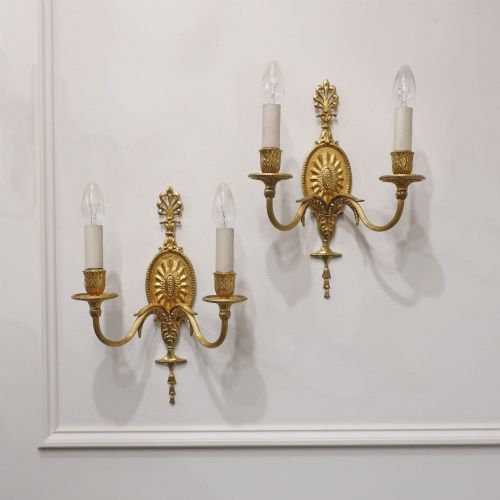
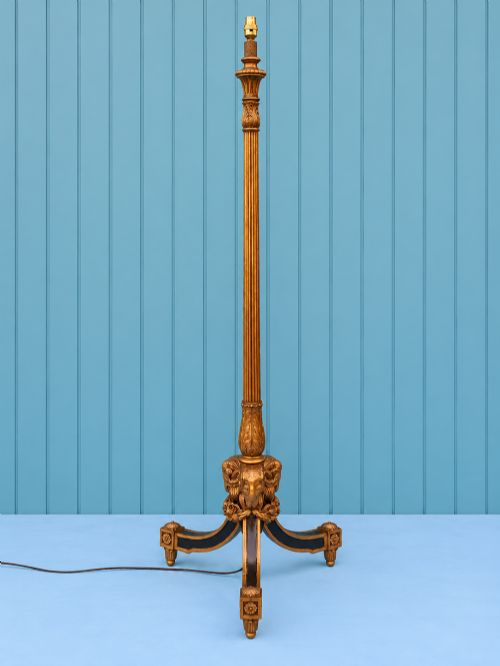
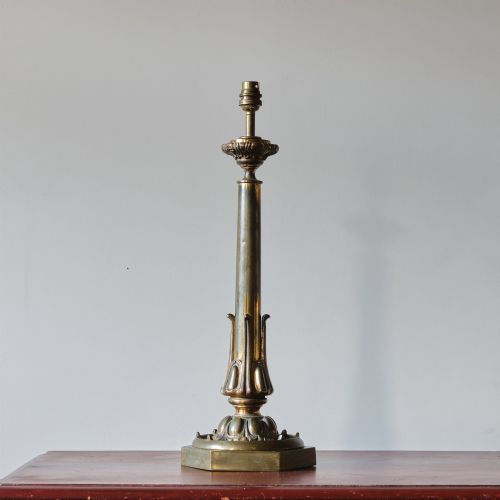
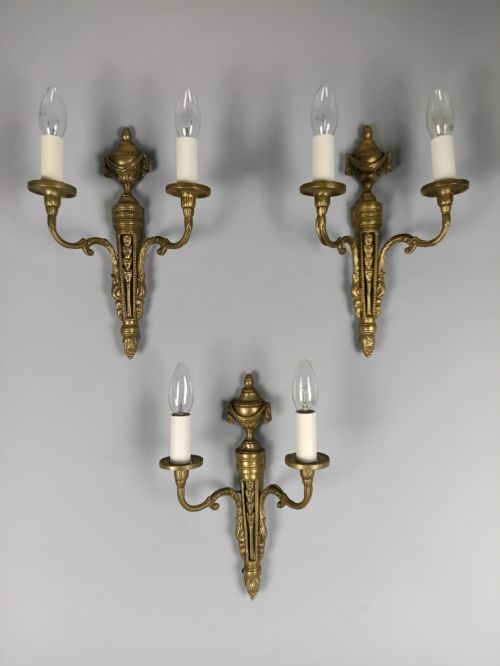
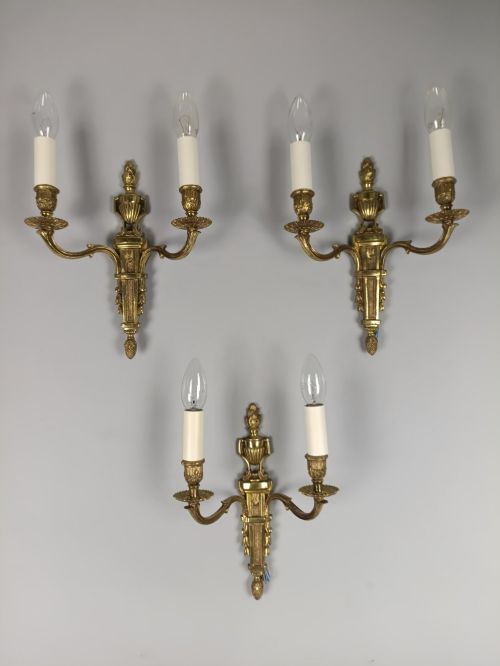
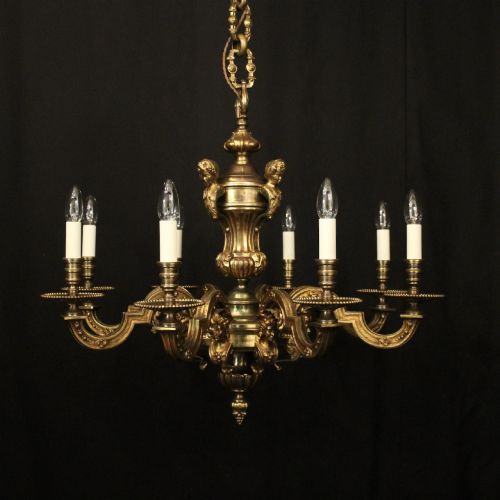
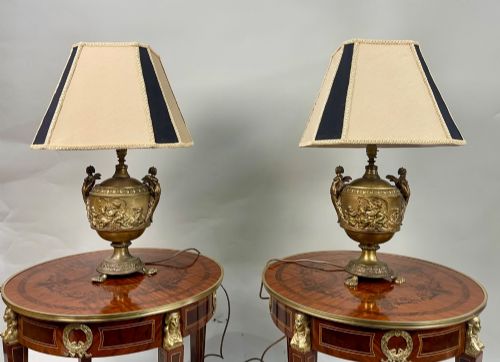
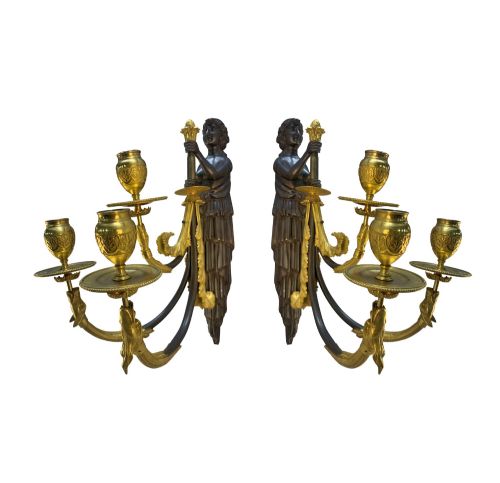
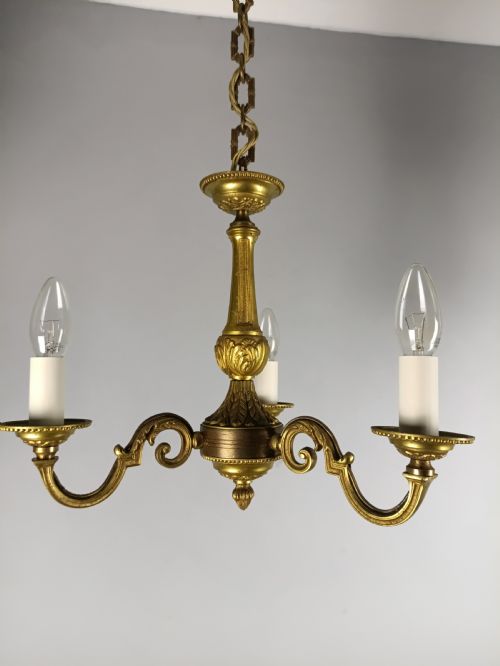
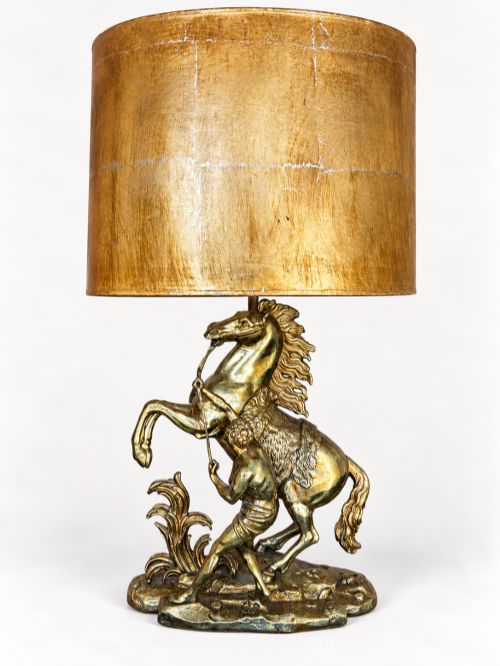
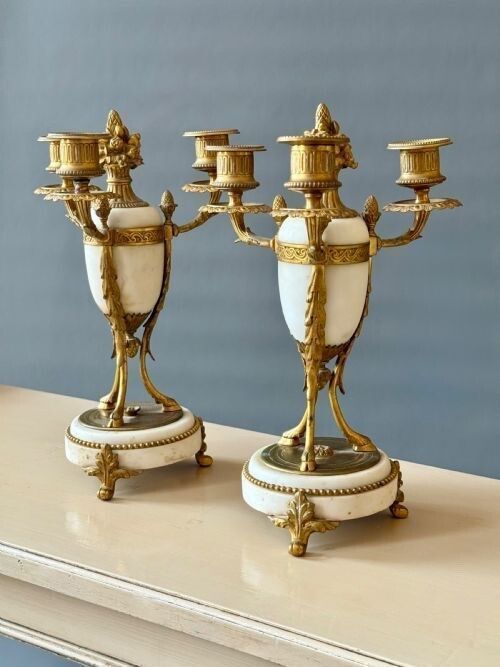
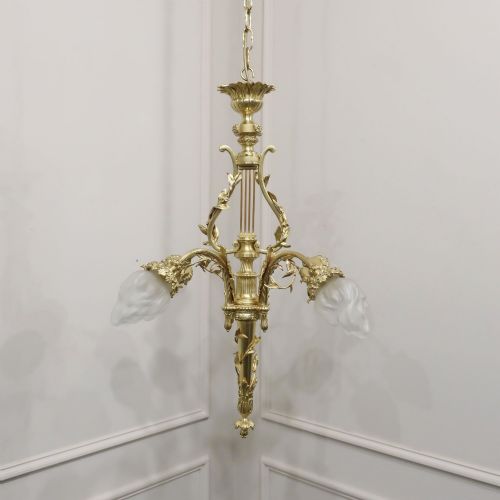
When you search for french neoclassical light fixtures, you encounter a range of forms originating from the eighteenth century onwards, spanning wall sconces, candelabra, chandeliers and table lamps. These pieces reflect the enduring influence of classical antiquity through architectural motifs such as urns, columns, caryatids and putti reliefs.
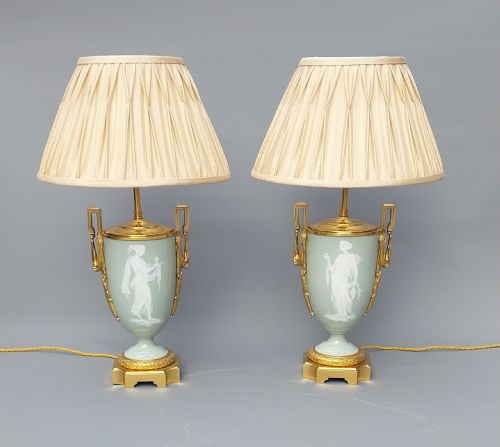
The selections available here predominantly date from the nineteenth and early twentieth centuries, capturing revivals of Louis XVI and Empire styles. You will frequently find matched pairs of wall lights and table lamps designed to introduce formal balance into an interior.
Originating predominantly from French workshops, these objects utilise traditional metalworking and decorative arts traditions. They range from simple brass wall brackets to elaborate multi-light chandeliers embellished with gilding and porcelain.
Casting and Finish
The distinction between standard examples and exceptional pieces lies in the crispness of the metal chasing and the depth of the gilding. Superior items exhibit sharp relief in figures like putti and caryatids, with hand-tooled finishing that accentuates every architectural moulding.
Material selection also dictates overall merit, particularly the weight and mineral richness of the incorporated marble, the purity of the ormolu surface, and the preservation of original fabric or glass components where applicable.
French Neoclassical Light Retail Price Guide 2026
Typical asking prices for french neoclassical light among the pieces listed under this phrase on Sellingantiques today, from the lower quarter to the upper quarter. They describe what is for sale here now, not the wider market.
Keep an eye out for diminutive putti frozen mid-relief, determinedly holding up nineteenth-century illumination.
Francois Redmond·Maison Jansen·Andre Arbus·Dugourc
The French Neoclassical Light Glossary
- Ormolu
- Gilded bronze produced by applying a mercury and gold amalgam to a bronze base and heating it to drive off the mercury. This technique creates a distinctive, deep golden finish characteristic of fine antique metalwork.
- Pâte-sur-pâte
- A ceramic decorating technique where liquid clay is applied layer by layer onto a body to build up a low relief design. It creates a cameo-like effect on porcelain lamps.
- Candelabra
- Branched lighting fixtures designed to hold multiple candles, frequently converted to electricity in later periods. They often feature figurative bronze bases and removable nozzle inserts.
- Caryatid
- A sculpted female figure serving as an architectural support taking the place of a column or pilaster. They frequently appear on the stems of candlesticks and lamps.
- Tole peinte
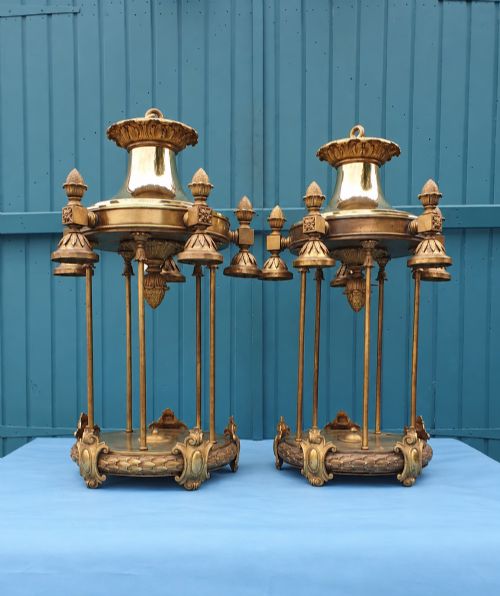
- Painted sheet metal, often used to construct decorative lanterns and shades with applied parcel gilding. It provides a durable surface for rich colour decoration.
French Neoclassical Light: Frequently Asked Questions
How do I distinguish Louis XVI style from Empire?
Louis XVI style pieces draw on Greek and Roman antiquity with straight lines, fluted columns, urns and delicate classical motifs. They feel lighter and more restrained in their overall proportions.
Empire pieces, inspired by Napoleonic conquests, feature heavier, more martial imagery such as sphinxes, rams' heads and military trophies, often executed in bolder ormolu and dark patinated bronze.
Were these fixtures originally electrified?
Most items dating from the eighteenth and nineteenth centuries were manufactured to hold candles or oil before being adapted for electricity in the twentieth century. Conversions are standard practice for surviving examples.
Wiring is typically routed through existing channels to preserve the structural integrity of the antique metal or marble body without altering the external appearance.
How should I clean gilded bronze and ormolu?
Gilded surfaces require gentle dusting with a soft, dry cloth to remove surface particles. Avoid abrasive cleaners, commercial metal polishes and chemical solvents, which can strip the thin layer of gold.
Professional conservation is recommended if deeper cleaning is required to address accumulated grime or tarnishing on antique metal mounts.
Can wall sconces be wired directly into mains?
Wall lights and sconces are generally designed for professional hardwiring into standard wall junction boxes by a qualified electrician. Backplates usually accommodate standard mounting brackets.
It is advisable to check the internal lampholders and wiring age upon acquisition to ensure current safety standards are met.