






French Neoclassical Furniture
French neoclassical furniture brings classical symmetry and restrained ornament to rooms through walnut commodes, marble-topped consoles and gilt-mounted desks.
French Neoclassical Furniture
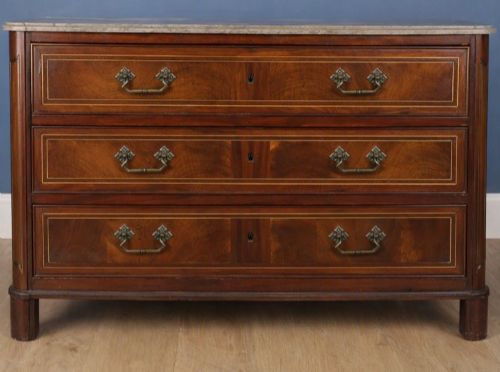
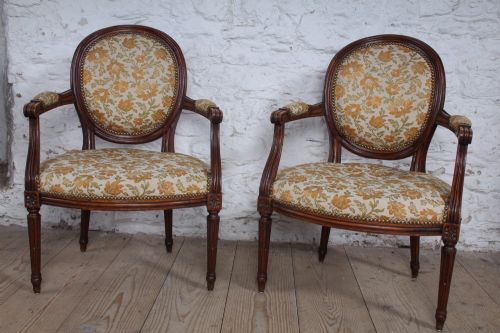
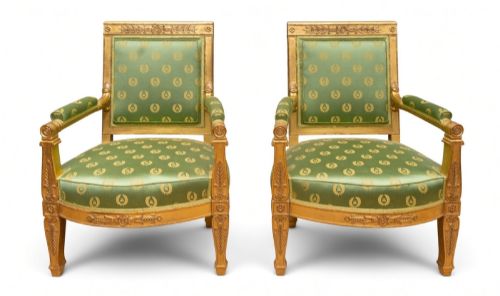
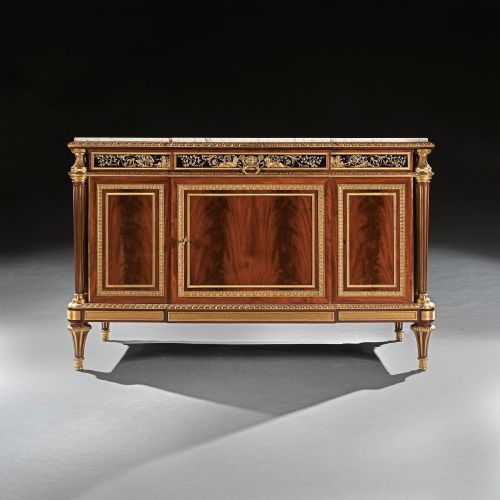
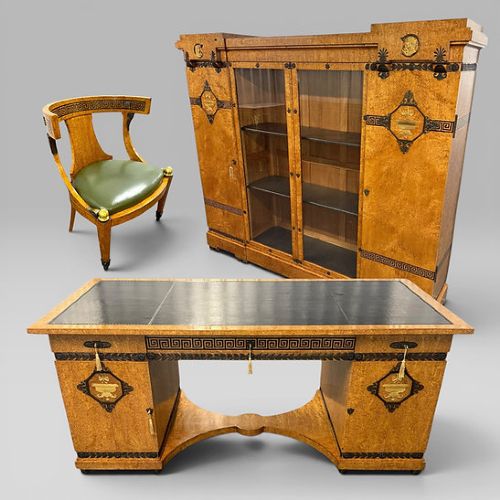
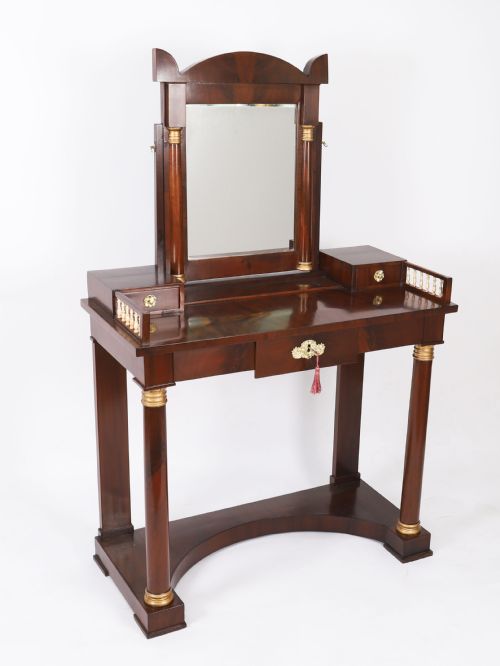
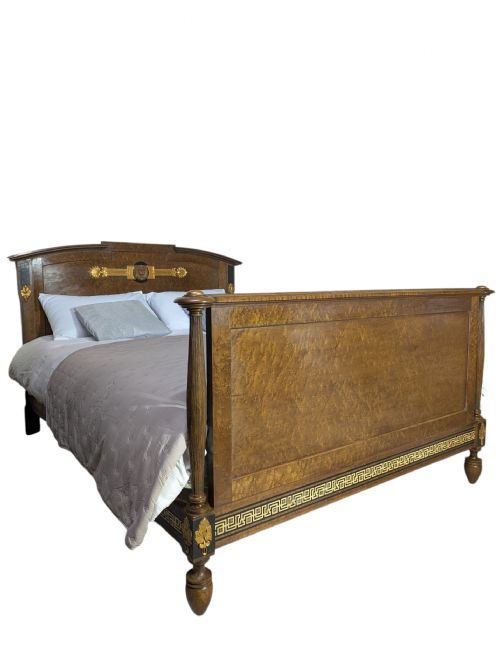
French neoclassical furniture comprises seating, tables, commodes and beds dating from the late eighteenth century through successive nineteenth-century revivals. Buyers find walnut and mahogany commodes topped with marble, alongside giltwood consoles and writing desks.
The selection ranges from period eighteenth-century pieces to later revival pieces from the nineteenth and early twentieth centuries. Console tables, armchairs and bedside cabinets form the core of the current offerings.
Forms follow classical architectural lines, utilising straight legs, urn motifs and symmetrical proportions derived from antiquity. Pieces originate from French workshops spanning the Louis XVI, Empire and subsequent revival eras.
How they were made
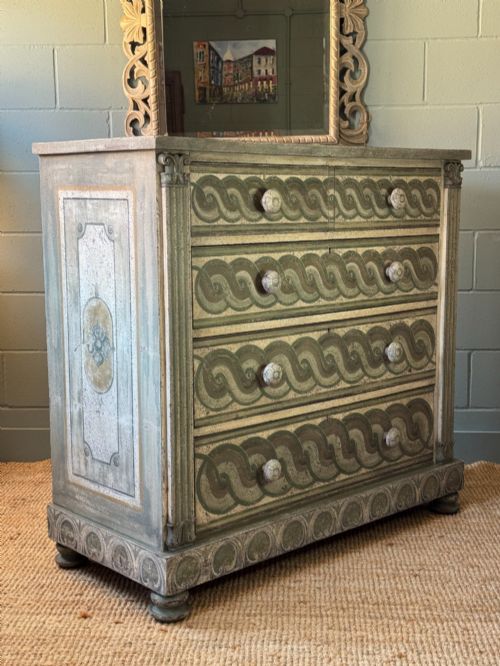
Cabinetmakers constructed carcasses in solid walnut, mahogany or fruitwood, often applying intricate marquetry veneers or painted finishes. Marble slabs sit atop commodes and console tables, providing durable and decorative surfaces.
Metal ornament defines the aesthetic, utilising cast or chased ormolu and gilt bronze mounts secured to wood structures. Gilding on wood surfaces and detailed canework on chairs complete the traditional construction methods.
French Neoclassical Furniture Retail Price Guide 2026
Typical asking prices for french neoclassical furniture among the pieces listed under this phrase on Sellingantiques today, from the lower quarter to the upper quarter. They describe what is for sale here now, not the wider market.
Swans grace the mahogany supports of French Empire guéridon tables.
What varies in quality
Quality rests in the precision of the cabinetmaking and the crispness of the cast bronze or ormolu mounts. Finer pieces display sharply detailed chasing on metalwork and superior joinery within drawers and frames.
The choice of secondary timbers, the weight of the marble top and the depth of the carved woodwork differentiate standard production from masterwork output. Original finishes and intact gilding elevate individual items.
Jacob Desmalter·Henry Dasson·Mercier Freres
The French Neoclassical Furniture Glossary
- Ormolu
- Gilded bronze applied as decorative mounts to furniture frames and table legs. This technique creates a metallic contrast against mahogany and walnut surfaces.
- Commode
- A low chest of drawers designed for domestic storage, frequently fitted with a marble slab top. Eighteenth-century and nineteenth-century examples often display veneered drawer fronts.
- Console table
- A wall-mounted or freestanding table supported by front legs, typically topped with marble. These pieces serve as decorative side furniture in reception rooms.
- Fauteuil
- An open-armed upholstered chair with exposed wooden framing, characteristic of French seating design. Frames are frequently carved, painted or gilded.
- Guéridon
- A small round table supported by a central pillar or multiple legs. These tables often feature marble or onyx tops with wooden or gilt columns.
French Neoclassical Furniture: Frequently Asked Questions
How do I identify French neoclassical furniture?
Look for straight tapering legs, symmetrical proportions and classical architectural motifs drawn from Greek and Roman antiquity. Ormolu mounts and marble tops frequently accompany walnut or mahogany woodwork.
Revival pieces from the nineteenth century share these structural characteristics with eighteenth-century originals. Distinguishing period pieces relies on examining timber ageing, joinery techniques and the quality of the bronze mounts.
What rooms suit these console tables?
Console tables fit entryways, hallways and living rooms where surface display space is required against a wall. Their marble tops provide a practical and decorative surface for lamps or ornaments.
Pairing a console table with a matching mirror creates a balanced focal point in a dining room or drawing room. Freestanding variations also function effectively as serving surfaces.
How do I care for marble tops?
Clean marble surfaces using a damp cloth and mild soap, avoiding acidic cleaners that etch the polished stone. Placing coasters under glasses prevents moisture rings and staining on antique marble.
Regular dusting preserves the finish without damaging the natural grain of the stone. Heavier conservation work should be left to specialists.
Are these commodes suitable for daily use?
Commodes provide substantial storage capacity through deep drawers housed within sturdy timber carcasses. Their robust construction makes them practical for bedroom or hallway storage.
Protecting the wooden surfaces from excessive heat and direct sunlight maintains the finish. Drawer interiors benefit from periodic cleaning with dry cloths.