




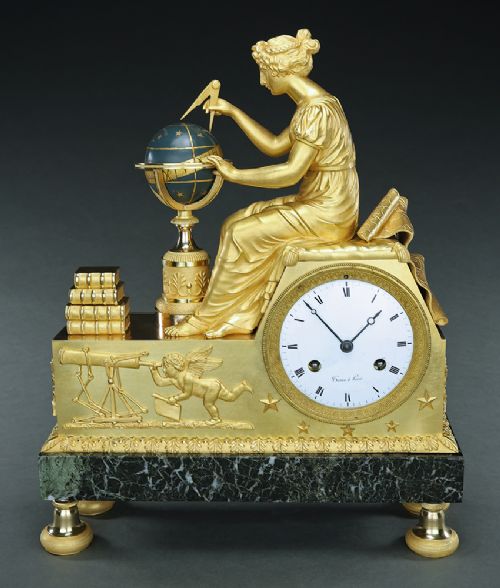
French Neoclassical Figure
A french neoclassical figure brings classical antiquity into interior spaces through bronze, marble and porcelain modelled after mythological and historical subjects.
French Neoclassical Figure
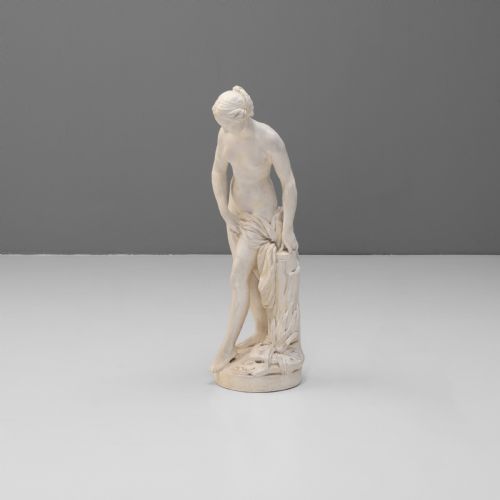
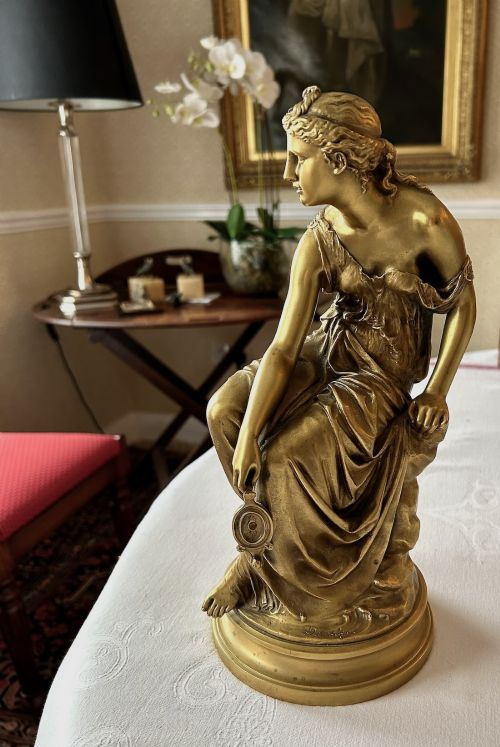
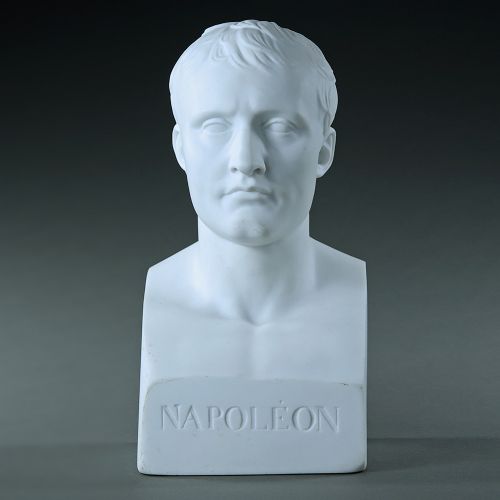
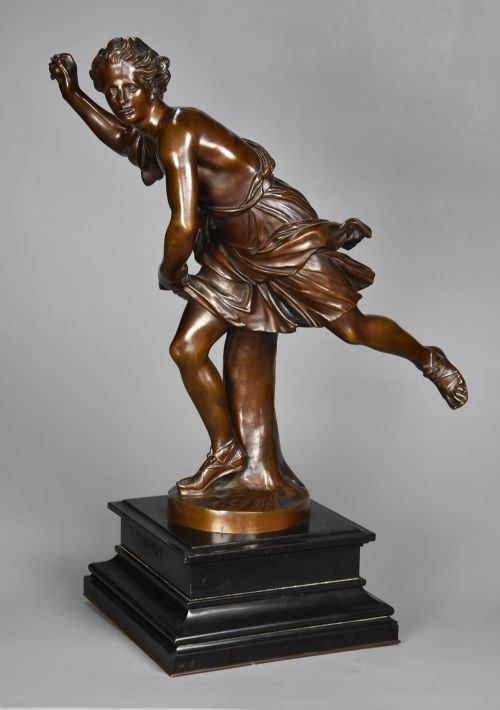
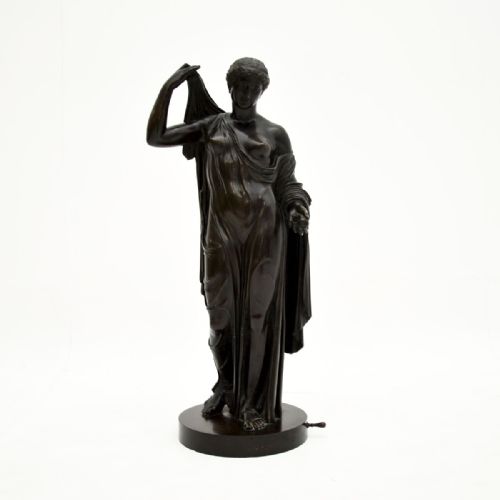
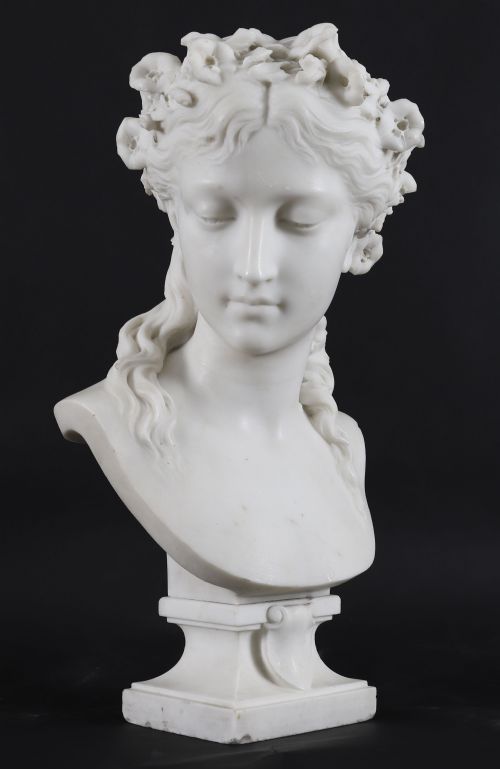
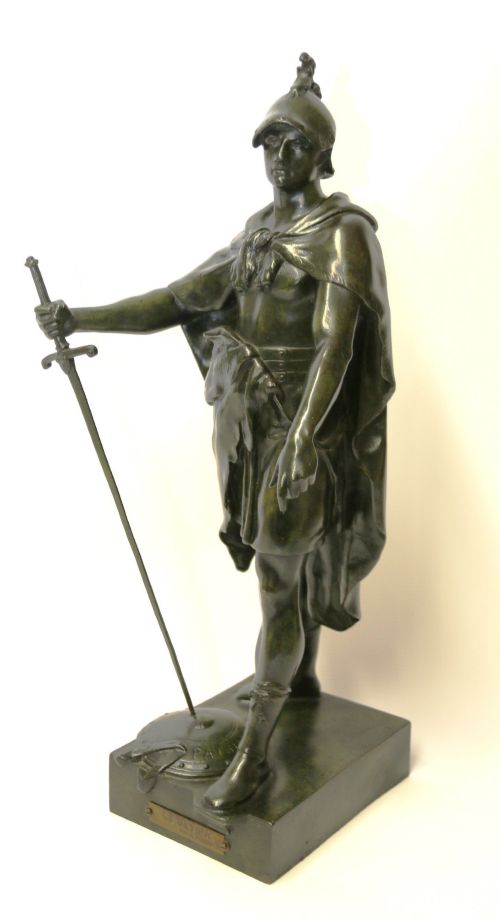
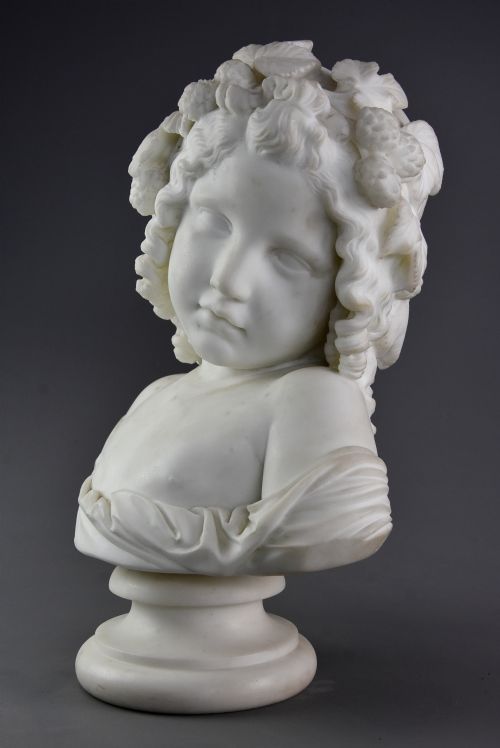
A french neoclassical figure embodies the aesthetic ideals of ancient Greece and Rome through sculpted representations of maidens, goddesses, heroes and historical personages. These works emerge predominantly across the eighteenth and nineteenth centuries, taking form as freestanding bronzes, marble busts, terracotta statues and patinated figures.
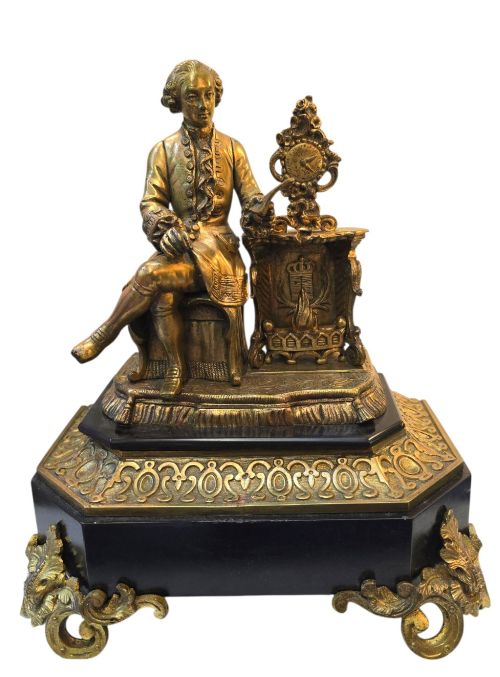
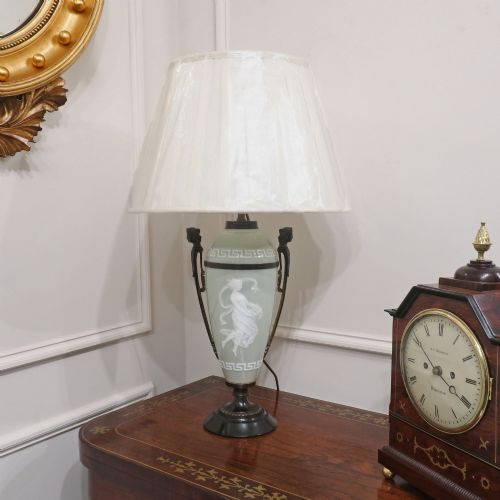
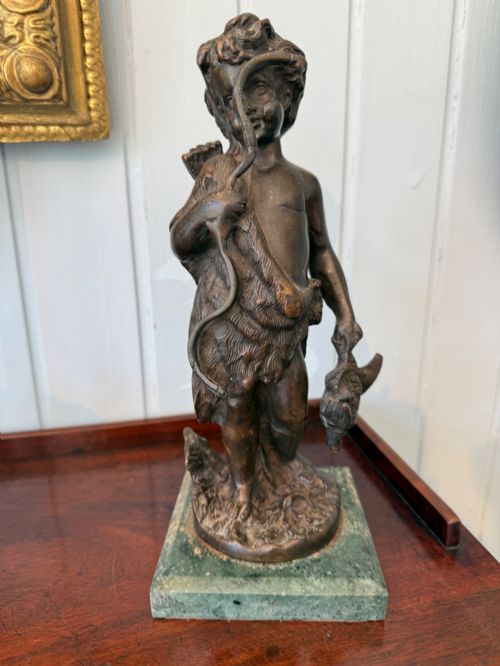
The objects span varied domestic contexts, appearing as library mantel clocks, candelabra components, table lamps and standalone cabinet sculptures. Pieces frequently draw inspiration from mythological subjects such as Diana, Demeter, Hercules and Apollo, alongside portraiture of classical figures and historical rulers.
Collectors encounter works cast by notable nineteenth-century foundries or carved in Carrara marble, reflecting a sustained European fascination with classical proportion, drapery and heroic narrative. The visual language relies upon symmetry, restraint and direct references to antique sculpture.
Materials and methods of production
Makers utilised bronze, patinated bronze and gilt bronze, often employing the lost-wax casting method or sand casting to achieve fine detail in hair, drapery and facial expression. Ormolu and gilded brass frequently accent bronze and marble components, adding contrasting metallic highlights to figures and clock mountings.
Sculptors carved busts and statues from solid blocks of white Carrara marble or incorporated veined green Campan marble for bases and vases. Parian porcelain and terracotta also serve as primary mediums, cast in moulds before undergoing kiln firing to create matte or glazed finish surfaces.
French Neoclassical Figure Retail Price Guide 2026
Typical asking prices for french neoclassical figure among the pieces listed under this phrase on Sellingantiques today, from the lower quarter to the upper quarter. They describe what is for sale here now, not the wider market.
Listings feature 19th Century, 18th Century and Edwardian periods, utilising materials including marble, gilt bronze, porcelain and fabric.
Distinctions in craftsmanship and execution
Marble carving quality manifests in the softness of transition across flesh and the undercut depth of hair and textile folds, distinguishing master carvers from routine studio production. Material selection also dictates standing, with dense, unblemished marble and heavy, multi-patinated bronze castings representing superior workshop standards.
Ferdinand Barbedienne·Etienne-Henri Dumaige·Émile Louis Picault·Eugene Aizelin·Carrier-Belleuse·James Pradier·Susse Freres·Jean-Jules Cambos
The French Neoclassical Figure Glossary
- Ormolu
- Gilded bronze, where a mercury and gold amalgam is applied to a bronze base and heated to leave a durable gold coating. This technique creates the bright metallic sheen seen on nineteenth-century clock mounts and candelabra.
- Parian porcelain
- A fine-grained, unglazed biscuit porcelain developed in the nineteenth century to imitate white marble. It derives its name from Parian marble found on the Greek island of Paros.
- Patinated bronze
- Bronze that has been treated with chemical solutions to produce a controlled surface colour, ranging from deep brown to greenish black. This process protects the metal and accentuates sculptural contours.
- Caryatid
- A sculpted female figure serving as an architectural support taking the place of a column or pillar. These appear frequently on nineteenth-century mantel clocks, candlesticks and furniture mounts.
French Neoclassical Figure: Frequently Asked Questions
Where were these figures placed in nineteenth-century homes?
These pieces occupied prominent domestic spaces, standing upon mantelpieces flanked by matching candelabra, or resting on library tables and pedestals. They served as focal points in formal reception rooms to signal classical learning and refined taste.
Larger bronzes and marble statues often required dedicated pedestals or console tables, while smaller cabinet bronzes and clocks integrated directly into functional interior furnishings.
How do I distinguish bronze from patinated bronze?
Standard bronze displays the natural metallic alloy composition or a polished golden hue, whereas patinated bronze has an artificial surface layer applied to darken the metal into brown, green or near-black tones. This chemical treatment was standard practice to reduce unwanted glare and highlight modelled details.
Both finishes require similar care, but patinated surfaces should be protected from abrasive cleaning agents that can strip the chemical colouration.
What distinguishes a clock mount from a standalone figure?
Clock mounts and candelabra figures often feature integrated pins, threaded holes or flattened backs designed to secure them directly into architectural bronze or marble clock cases. Standalone sculptures possess finished bases on all sides for independent display.
Many figures were cast from the same models regardless of their final destination, meaning identical poses appear both as desk sculptures and as garniture components.
How can I tell a nineteenth-century casting from a later reproduction?
Nineteenth-century works typically display foundry marks, individual ciselure marks from hand-finishing, and patination depth that develops over extended time. Older bronzes frequently show natural oxidation within recessed crevices.
Weight, material density and the sharpness of cast details also help differentiate period metalwork and marble carving from modern commercial copies.