
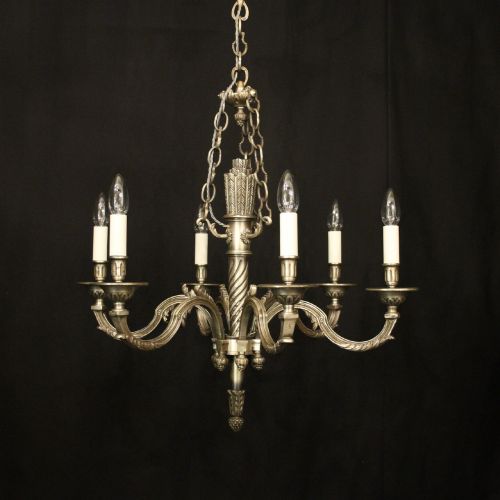


French Neoclassical Chandelier
A french neoclassical chandelier brings architectural symmetry and refined metalwork to a room, channelling the grand interiors of the past.
French Neoclassical Chandelier
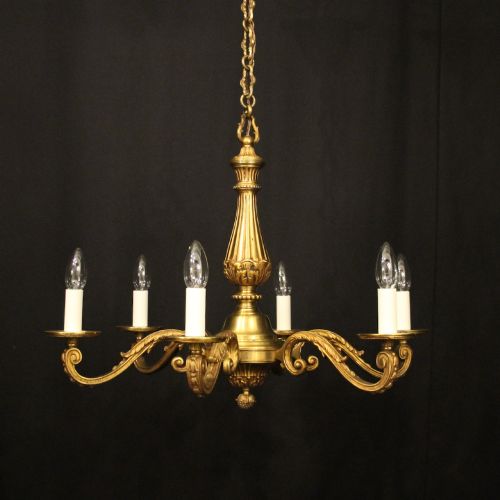
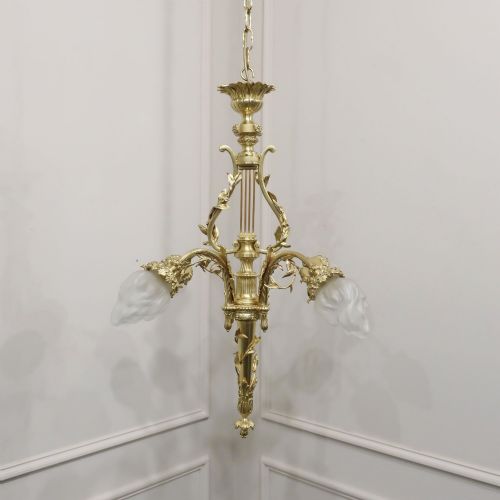
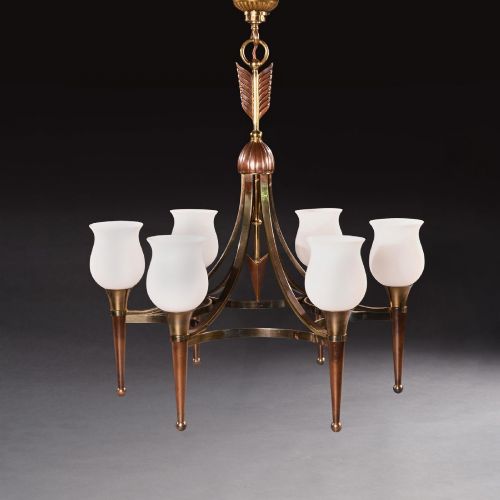
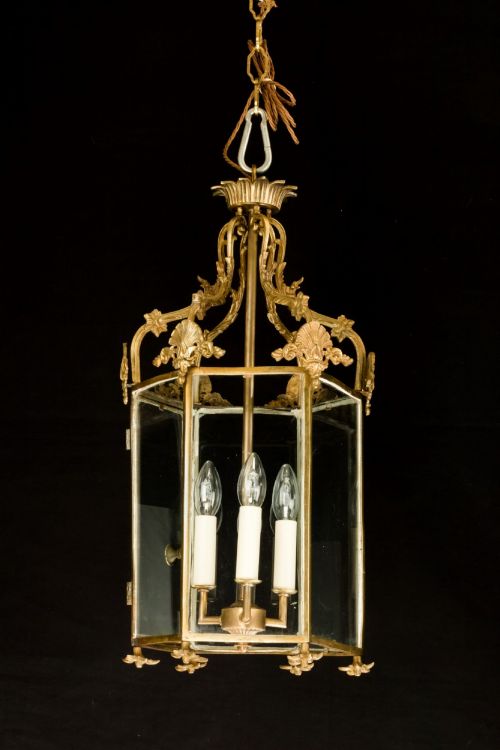
A french neoclassical chandelier defines a grand interior through structured forms, classical motifs, and balanced proportions. When searching for a french neoclassical chandelier, buyers encounter multi-armed fixtures alongside hanging lanterns and basket designs spanning the nineteenth and twentieth centuries.
The selection ranges from restrained nineteenth-century classical bronzes to mid-century revivals and Empire influenced pieces. Many examples draw directly on historical French design, including models modelled after the lanterns in the Palace of Versailles.
How they were made
Metalwork forms the structural core of these fixtures, utilising cast bronze, brass, ormolu, and gilt bronze. Metal components are frequently paired with glass and cut crystal to refract light across the room.
Surfaces receive careful attention, showing silver gilt, traditional gilding, and patinated bronze finishes that highlight the cast ornamentation and structural details.
Object forms include multi-tiered candelabra chandeliers, flush ceiling lights, and hexagonal glass lanterns.
What varies in quality
The sophistication of the casting and chassering separates standard production from exceptional examples, with finer pieces displaying crisp relief work and well-defined classical details. The choice of materials also dictates the calibre of the fixture, particularly the purity of the gilt and the clarity of the cut crystal elements.
Proportion and structural harmony play a major role in distinguishing superior models, where every tier, arm, and mount relates correctly to the overall scale of the chandelier.
Maison Jansen·Andre Arbus·Wedgwood
The French Neoclassical Chandelier Glossary
- Ormolu
- A gilded bronze technique utilising a mercury amalgam to achieve a rich, durable gold finish on decorative mounts. This process was widely used in classical French furniture and lighting.
- Lyre
- A symmetrical, stringed-instrument motif frequently incorporated into the central body or backplate of neoclassical light fittings. It references ancient Greek and Roman design aesthetics.
- Tent and basket
- A chandelier configuration featuring strings of crystal beads draped in a tent shape above a lower basket or bowl filled with further crystals. This style maximises light refraction.
- Empire style
- A decorative movement inspired by the classical styles of ancient Greece and Rome during the Napoleonic era. It prioritises militaristic motifs, laurel wreaths, and heavy symmetry.
- Gilt bronze
- Metal cast in bronze and subsequently covered with a layer of gold leaf or powder. It provides a warm, reflective surface suited to formal reception rooms.
French Neoclassical Chandelier: Frequently Asked Questions
How do I hang a heavy bronze chandelier safely?
Heavy metal and crystal fixtures require secure anchoring into ceiling joists using rated steel fixings. A professional electrician should assess the load capacity before installation.
Ensuring the weight distributes evenly across the primary chain prevents structural strain on the ceiling rose and wiring.
How do I clean cut crystal on antique chandeliers?
Individual crystal drops and beads benefit from gentle cleaning with a dilute solution of warm water and mild dish soap. Each piece should be dried thoroughly with a lint-free cloth before reattachment.
Spraying cleaning fluids directly onto the fixture risks damaging the surrounding gilt bronze or brass framework.
What is the difference between Empire and Neoclassical styles?
Neoclassical design draws on a broader range of ancient Greek and Roman architectural elements, often with lighter, more delicate proportions. Empire style specifically reflects the later Napoleonic period, introducing heavier military symbols and bolder symmetry.
Both traditions appear frequently in French lighting from the nineteenth and twentieth centuries.
Can these chandeliers be used with modern wiring?
Most antique fixtures accommodate modern electrical standards through rewiring by a qualified professional. Existing internal channels usually allow new cable to pass safely through the arms and central column.
Using low-heat LED candle bulbs helps protect fragile crystal and historic metal finishes from thermal damage.
Where should I place a hanging lantern?
Pendant lanterns suit high-ceilinged entrance halls, stairwells, and grand vestibules where their vertical proportions command attention. Their enclosed glass panels also function well in transitional spaces.
Allowing sufficient clearance below the fixture ensures safe passage for household occupants and visitors.