

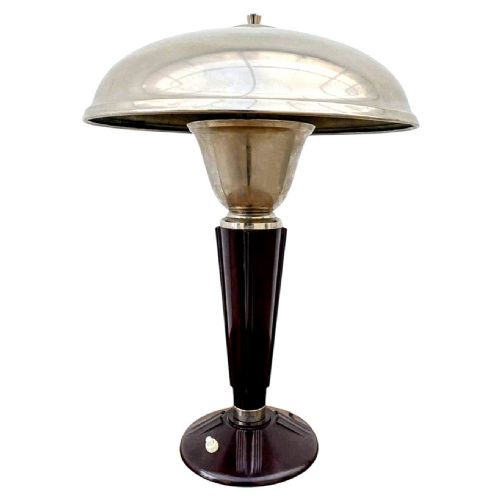


French Modernist Table
A french modernist table brings striking geometric lines and industrial materials into a room, combining the sleek edge of the machine age with refined European craft.
French Modernist Table
The objects gathered here reflect the aesthetic vocabulary of the nineteen twenties and nineteen thirties, alongside mid-century compositions. These pieces demonstrate how designers prioritized structural honesty and uncluttered surfaces over excessive ornamentation.
You are most likely to meet low occasional tables, writing desks, and display surfaces originating from French workshops during this vibrant era. Each item demonstrates the period's preoccupation with proportion, utility, and the interplay of geometric volumes.
Materials and construction methods
The fabrication of these pieces relies heavily on a contrast between industrial metals and warm organic timbers. Chromium plating and nickel provide reflective, durable framing, whilst dense hardwoods such as macassar ebony and oak deliver structural weight and rich grain patterns.
Specialised plastics such as bakelite and pressed glass appear frequently, introducing smooth tactile surfaces and translucent colour to lamp bases, bowls, and desk accessories. Artisans combined these novel industrial compounds with traditional cabinet-making techniques to achieve seamless joints and polished finishes.
French Modernist Table Retail Price Guide 2026
Typical asking prices for french modernist table among the pieces listed under this phrase on Sellingantiques today, from the lower quarter to the upper quarter. They describe what is for sale here now, not the wider market.
Listings feature items spanning from the nineteen twenties to nineteen fifty, incorporating oak, glass, and nickel.
Distinguishing quality and execution
Quality in these pieces rests upon the precision of the metalwork and the selection of veneer figures. Superior examples exhibit tightly fitted joints, uniform plating thickness, and carefully book-matched wood grains that elevate the plain geometry of the design.
The integrity of the construction reveals itself in the weight of the base materials and the crispness of the casting or turning. Finer pieces maintain their structural rigidity and surface lustre through decades of use, reflecting the high standards of the original ateliers.
Eileen Grey·Étienne Kohlmann·Muller Bros·Michel Dufet·Blangy
The French Modernist Table Glossary
- Gueridon
- A small occasional table, typically round, designed to hold lamps, clocks, or decorative objects. This form became a staple of French interior design during the modernist period.
- Macassar Ebony
- A dense, exotic hardwood featuring dark brown and warm golden stripes. It was heavily utilised by premier designers for high-end furniture surfaces and trays.
- Bakelite
- An early form of synthetic thermosetting plastic prized for its durability and rich dark lustre. It frequently forms the sculptural bases of lamps and desk accessories.
- Comport
- A shallow decorative vessel or pedestal bowl raised on a foot, intended for fruit or centrepiece display. In modernist metalwork, these items display stark geometric contours.
French Modernist Table: Frequently Asked Questions
What defines a french modernist table?
These pieces are defined by clean geometric lines, industrial metals, and rich woods that reflect the design ethos of the interwar period.
They reject traditional Victorian ornamentation in favour of functional simplicity and architectural presence.
How do I care for chrome and ebony?
Chrome requires gentle cleaning with a soft cloth to preserve the polished surface without scratching the metallic plating.
Ebony benefits from occasional waxing to maintain the deep lustre of the wood grain and protect it from drying out.
Where were these tables typically placed?
They served as functional hubs in studies, salons, and drawing rooms as writing desks, smoking tables, or lamp stands.
Their compact proportions allowed them to anchor central seating arrangements or sit neatly beside armchairs.
How can I tell the period?
Dating relies on identifying signature materials like bakelite and chromium alongside distinct Art Deco and modernist silhouette proportions.
Atelier stamps, maker signatures, and construction methods further anchor the pieces within the nineteen twenties and thirties.