




French Metal Tray
A french metal tray brings continental elegance to any table, offering both decorative charm and practical service.
French Metal Tray
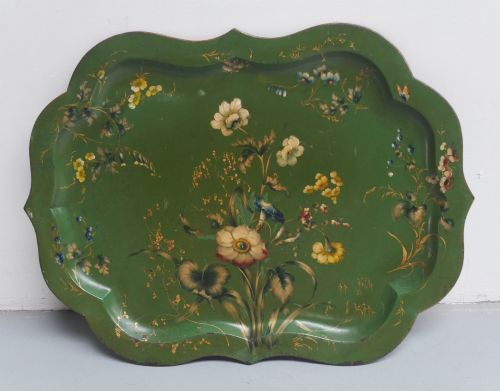
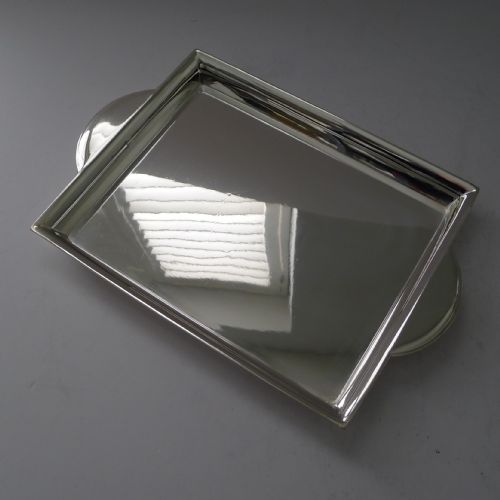
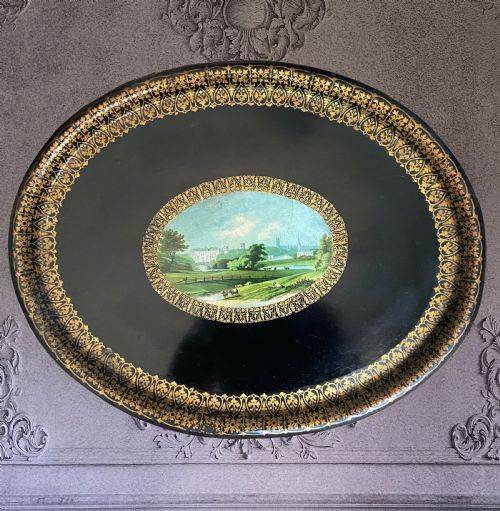
When you search for a french metal tray, you encounter an array of serving dishes, desk accessories, and decorative plates spanning multiple centuries. These items range from nineteenth-century painted sheet iron pieces to striking art deco serving dishes.
The most common examples on this page date from the nineteenth century and the early twentieth century, reflecting varied periods such as Victorian, Art Nouveau, and Art Deco styles. Makers utilised diverse metallic surfaces to achieve both utilitarian service and ornamental appeal.
How they were made
Craftsmen shaped sheet iron, bronze, brass, and silver-plated metals to form the base structures of these trays and desk items. Artisans applied paint, gilding, or silvering to the metallic surfaces for rich visual texture.
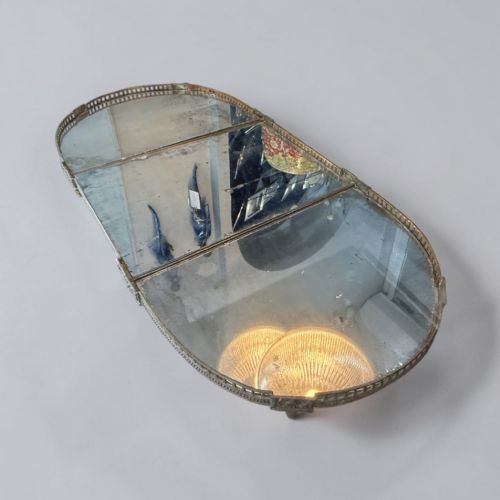
Techniques varied from hand-painted tôle ware to cast ormolu and gilt bronze mounts. Workshops employed metalworking methods that highlighted the distinct aesthetic of periods like Louis XVI style and Art Deco.
French Metal Tray Retail Price Guide 2026
Typical asking prices for french metal tray among the pieces listed under this phrase on Sellingantiques today, from the lower quarter to the upper quarter. They describe what is for sale here now, not the wider market.
Listings feature items spanning the nineteenth century up to nineteen-forty, utilising materials including silver plate, sheet iron, brass, and ormolu.
What varies in quality
The distinction between standard items and superior examples lies in the crispness of casting detail and the preservation of original surface finishes like gilding or paint. Heavy bronze and well-preserved tôle ware demonstrate greater artisanal skill than simpler plated pieces.
Signed Parisian works by known makers display finer chasing and more deliberate structural proportions. The integrity of the metal substrate and the application of the decorative scheme determine the overall calibre.
Christofle Paris·Brille Paris·Maurice Dufrene
The French Metal Tray Glossary
- Tole Ware
- Painted or enamelled sheet metalware, often associated with nineteenth-century decorative trays. This technique provides a smooth coloured ground for delicate surface ornamentation.
- Ormolu
- Gilded bronze used widely for mounts and decorative objects in French furnishings. The process involves applying a gold amalgam to a bronze base.
- Vide Poche
- A small tray or dish placed in a hallway or desktop for emptying pockets. These pocket emptiers often feature ornate cast bronze or silvered metal.
- Silver Plate
- A thin layer of silver applied to a base metal such as copper or brass. This method offered the lustre of solid silver at a more accessible cost.
French Metal Tray: Frequently Asked Questions
What was a french metal tray used for?
These trays served multiple domestic purposes, ranging from carrying drinks and cocktails to holding letters and calling cards on a desk.
Larger versions functioned as table centrepieces or decorative plates, displaying fruit or bread in formal dining settings.
How do I identify an art deco tray?
Art deco examples typically feature geometric lines, stylised motifs, and silver-plated or chromium finishes characteristic of the nineteen-thirties.
They contrast sharply with the floral curves of earlier art nouveau designs and the ornate classical revival styles of the nineteenth century.
Can I use these trays for serving food?
Many silver-plated and metal trays were designed for serving bread, fruit, or drinks, making them suitable for light modern use.
Painted tôle ware and antique desk pieces require careful handling to preserve the integrity of the historic surface finish.
How do I care for a painted metal tray?
Dust the surface gently with a soft dry cloth and avoid harsh chemical cleaners that might damage the painted or gilded layers.
Keep these items away from direct moisture and extreme temperature fluctuations to protect the underlying sheet iron or bronze.