



French Metal Frame Mirror
A french metal frame mirror brings industrial strength and Parisian grace together, offering a reflective surface held in cast or wrought iron, brass, and gilt bronze.
French Metal Frame Mirror
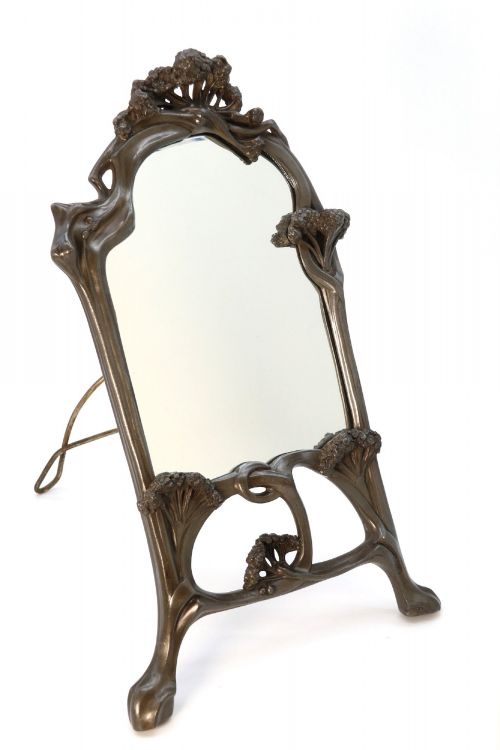
When you search for a french metal frame mirror, you encounter pieces spanning the nineteenth century through the art deco period. These items appear in domestic forms such as wall mirrors, table mirrors, vanity sets, and console tables.
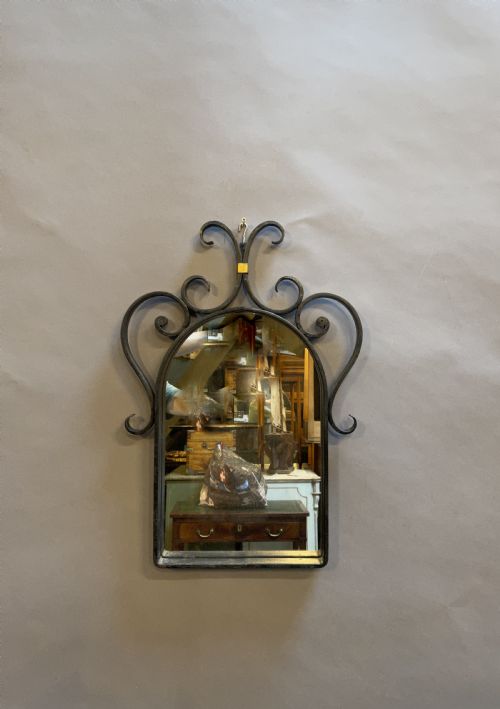
The aesthetic embraces various regional and design movements, including Victorian, French Chateau, Industrial, Art Nouveau, and French Provincial. Wall mirrors and window mirrors dominate the available selection.
Originating largely from continental workshops and British adaptations of the late nineteenth and early twentieth centuries, these works combine sturdy structural armatures with decorative metalwork.
Construction and materials
Makers utilised heavy ferrous and non-ferrous metals, employing cast iron, wrought iron, and brass to build robust structural frames. Gilt bronze and pewter provide finer decorative detail on table mirrors and picture frames.
Surfaces often show applied paint or original gilding over the base metal, whilst glass panels are secured behind scrollwork, panels, or industrial window frames.
French Metal Frame Mirror Retail Price Guide 2026
Typical asking prices for french metal frame mirror among the pieces listed under this phrase on Sellingantiques today, from the lower quarter to the upper quarter. They describe what is for sale here now, not the wider market.
Materials documented in the inventory range from utilitarian cast iron and painted finishes to refined gilt bronze and champleve.
Assessing quality and execution
The distinction between standard utility items and finer examples lies in the crispness of the casting and the depth of the metalwork. Hand-chased details on gilt bronze or pewter elevate a piece far above simple stamped iron sheets.
Integrity of the original surface finish, whether paint, gilding, or patinated brass, dictates the visual success of the object. Heavier gauges of cast and wrought iron indicate more substantial domestic commissions.
Louis Auguste Moreau
The French Metal Frame Mirror Glossary
- Cast Iron
- Molten iron poured into a mould to create rigid, highly detailed structural frames and decorative scrollwork. It provides immense durability and weight.
- Gilt Bronze
- Bronze metal coated with a thin layer of gold or gold-coloured alloy, frequently utilised in decorative nineteenth-century frames and vanity pieces. It offers a rich, warm metallic lustre.
- Wrought Iron
- Iron heated and hammered into shape by hand, resulting in distinctive tool marks and organic, flowing lines found in provincial and industrial pieces. This technique yields resilient and unique scrollwork.
- Champleve
- An enamelling technique where depressions are carved into a metal surface and filled with vitreous enamel before firing. It appears on finer picture frames and handheld mirrors.
- Window Mirror
- A looking glass divided into multiple panes by a metal armature, mimicking the appearance of a casement window. This form maximises reflected light in smaller interiors.
French Metal Frame Mirror: Frequently Asked Questions
How do I clean a metal frame mirror?
Dust the metal gently with a dry, soft cloth to preserve any historic paint or gilding. Avoid harsh chemical polishes that can strip patination from brass, bronze, or iron.
Clean the glass pane separately using a mild glass cleaner applied to a cloth rather than sprayed directly onto the frame, preventing moisture from seeping behind the plate.
Were these mirrors meant for walls or tables?
The inventory encompasses both wall-hanging designs and freestanding table mirrors. Wall variants include large console mirrors and multi-pane window mirrors built for permanent placement.
Table mirrors and vanity sets feature built-in stands or easel backs for dressing tables and sideboards, allowing them to be repositioned easily.
How can I date an antique metal mirror?
Examine the construction techniques and material choices visible on the reverse and joints. Cast iron and heavy gilding often point to Victorian or nineteenth-century work, while geometric lines suggest later art deco periods.
Stylistic cues such as floral Art Nouveau whiplash curves or industrial window grid patterns further narrow the decade of production.
Can heavy iron mirrors hang safely on drywall?
Cast and wrought iron frames possess considerable weight that requires proper structural support. Fastening directly into wall studs using rated fixings ensures secure installation.
Consult a professional installer if the mirror exceeds standard household weights, particularly for large console attachments or multi-pane window formats.