




French Metal Candle Holders
French metal candle holders bring warmth and historical weight to a room through cast bronze, brass, and ormolu.
French Metal Candle Holders
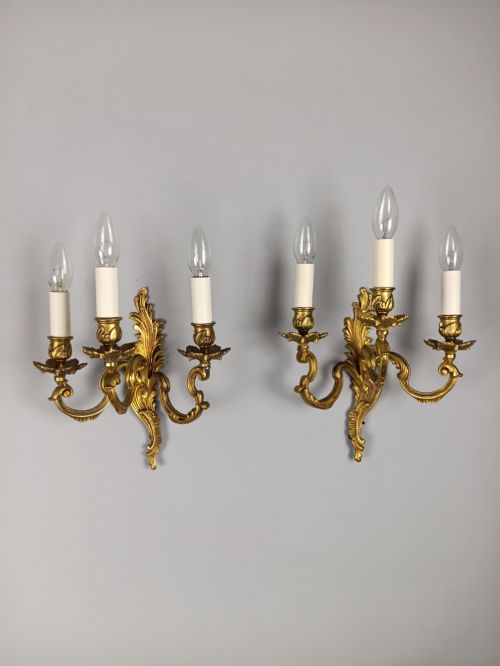
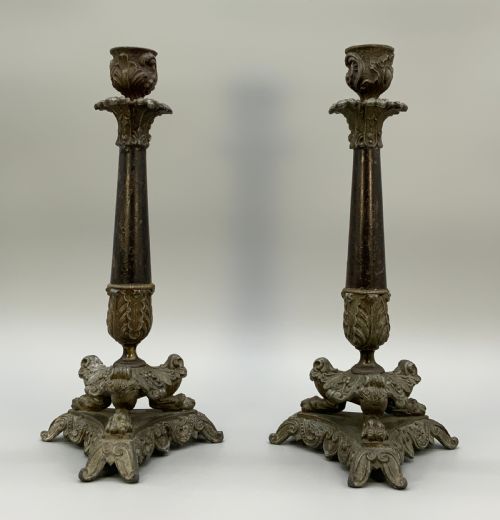
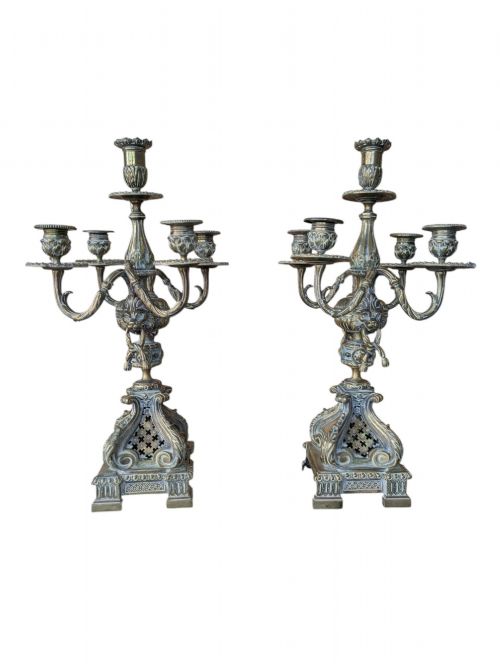
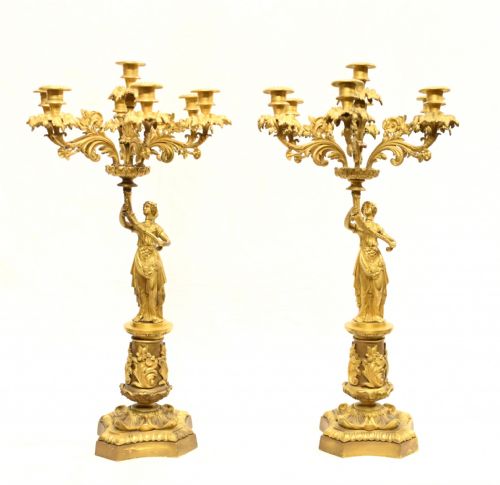
When buyers search for french metal candle holders, they encounter lighting fixtures spanning the nineteenth century alongside Regency, Victorian, and early twentieth-century examples. The selection ranges from single candlesticks to multi-arm candelabra, wall lights, sconces, and floor stands.
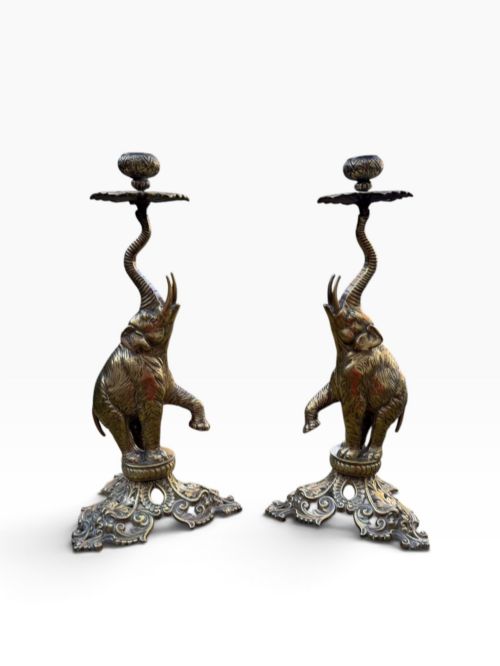
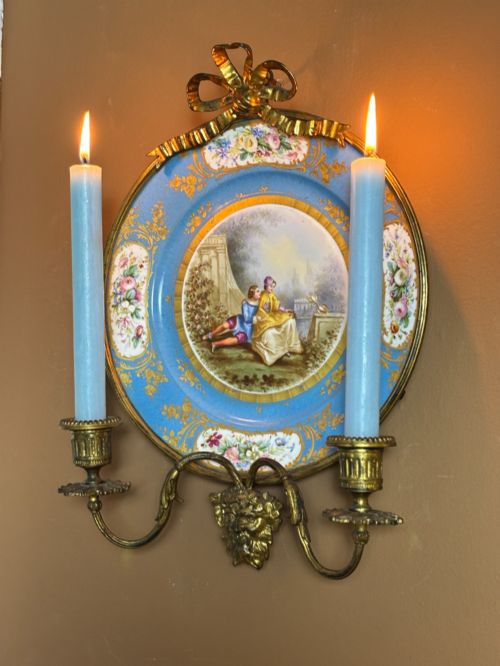
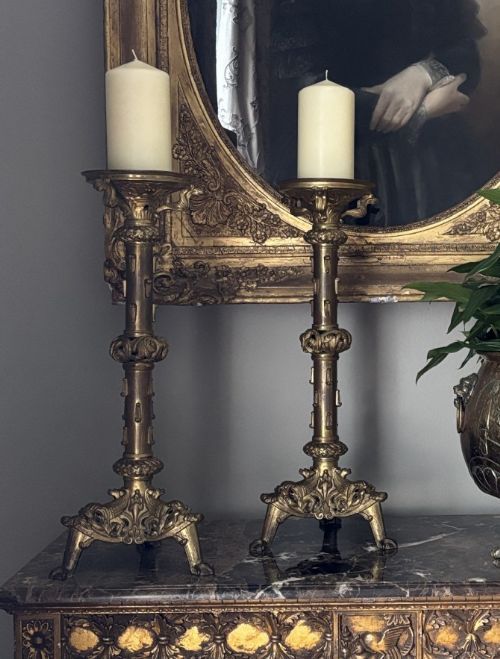
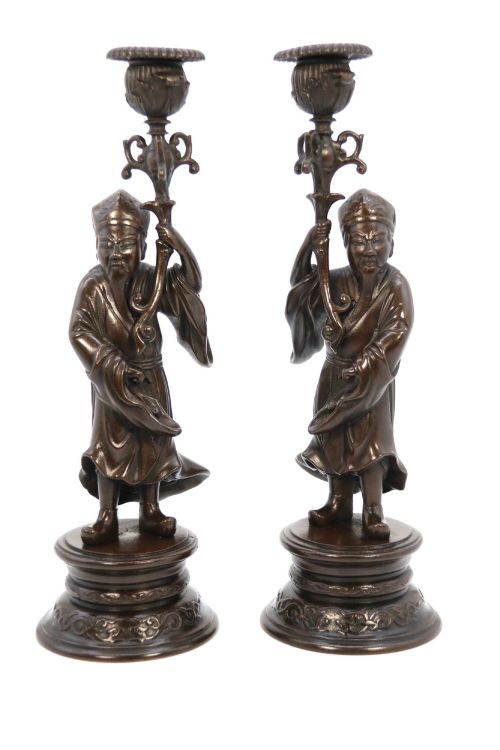
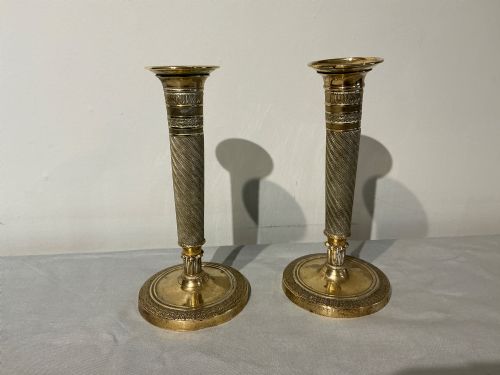
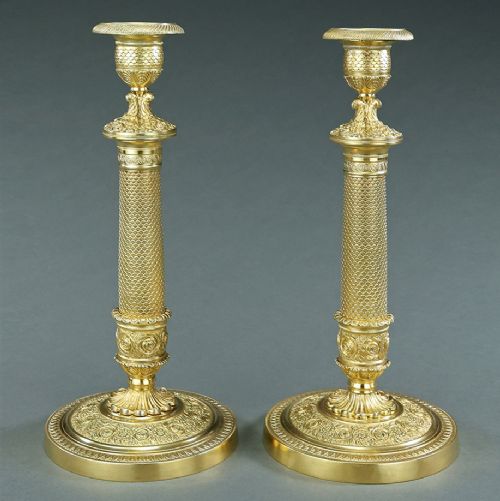
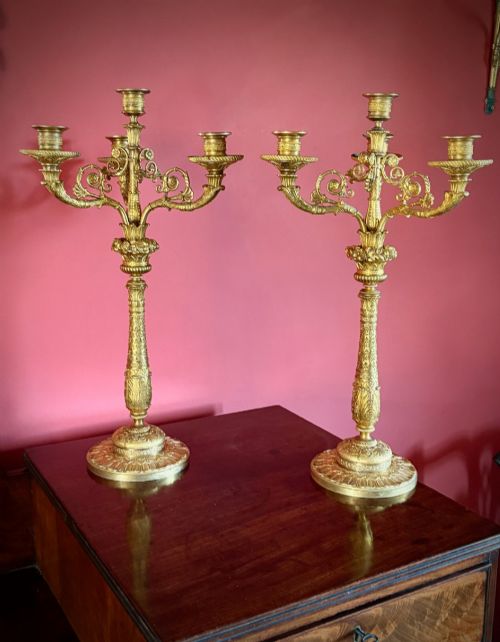
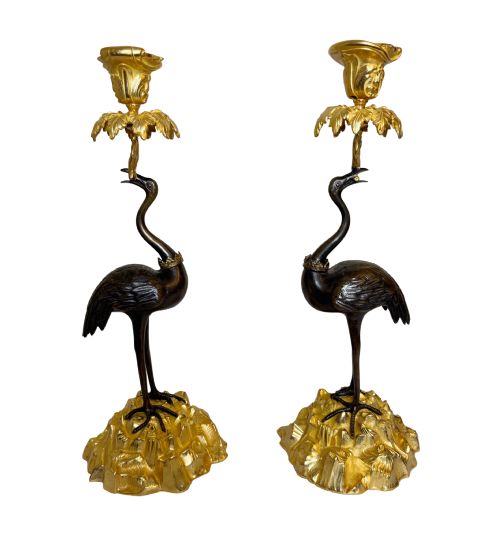
The objects most frequently met on this page include pairs of ormolu and gilt bronze candlesticks, alongside ornate candelabra featuring figural or classical motifs. Materials stretch from cast brass and bronze to combinations incorporating white marble, slate, and crystal.
How they were made
Makers utilised metal-casting techniques such as sand casting and lost-wax methods to form the primary bronze, brass, and spelter structures. Ormolu and gilt finishes were subsequently applied through mercury gilding or electrogilding to impart a rich gold-coloured surface.
Many pieces combine metal components with contrasting natural materials like white marble, slate, and enamel work. Wall lights and multi-arm candelabra were assembled from distinct cast parts, often secured with internal threaded rods and nuts.
French Metal Candle Holders Retail Price Guide 2026
Typical asking prices for french metal candle holders among the pieces listed under this phrase on Sellingantiques today, from the lower quarter to the upper quarter. They describe what is for sale here now, not the wider market.
Listings feature items dated across the nineteenth century, with specific pieces originating from the Regency, Victorian, and Charles X periods.
What varies in quality
Quality separates through the crispness of the chasing and the depth of the casting detail in the metalwork. Superior examples display sharply defined foliage, figures, and architectural elements rather than soft or smoothed contours.
The weight and integration of secondary materials such as marble bases or crystal drops also indicate distinction. Finer pieces demonstrate careful hand-finishing across every visible surface, maintaining consistent gilding and patination throughout.
The French Metal Candle Holders Glossary
- Ormolu
- A method of applying finely ground high-carat gold to a bronze object using a mercury amalgam. This technique produces a warm, durable golden lustre characteristic of fine antique lighting.
- Candelabra
- A branched lighting fixture designed to hold multiple candles at once. These multi-arm pieces often feature central figural stems or ornate scrolling branches.
- Spelter
- An alloy based on zinc, frequently utilised as a less costly alternative to bronze during the nineteenth century. It accepts metallic paints and finishes to resemble heavier bronze or brass.
- Champllevé
- An enamelling technique where troughs or cells are hollowed out of a metal surface and filled with vitreous enamel before firing. It appears on decorative accents and coloured sections of metal work.
- Girandole
- A decorative wall mirror featuring attached candle sconces designed to reflect and amplify the candlelight. The mirrored backplates often incorporate gilt metal frames.
French Metal Candle Holders: Frequently Asked Questions
How do I clean antique brass and ormolu?
Dust surfaces gently with a soft, dry cloth to remove everyday accumulation without disturbing the historic finish.
Avoid abrasive polishes or chemical dips, which can strip away original gilt layers and patination permanently.
Are these candle holders safe to use with real candles?
Most antique holders accommodate standard taper candles securely, provided the base and nozzle remain stable.
Monitor burning candles closely to prevent wax drips from damaging delicate metal surfaces or integrated marble bases.
What is the difference between ormolu and gilt bronze?
Ormolu specifically describes mercury-gilded bronze objects produced primarily during the eighteenth and nineteenth centuries.
While technically a form of gilt bronze, the term ormolu denotes a particular historical standard of high-heat amalgamation gilding.
How can I tell the period of a candelabra?
Stylistic cues such as Regency proportions, Empire motifs, or Rococo revival curves offer primary chronological indicators.
Construction methods, casting seams, and the composition of secondary materials like slate or marble also help date the piece.