


French Louis Style Tables
When you handle french louis style tables, you hold centuries of opulent continental craft that bring unmistakable character to a room.
French Louis Style Tables
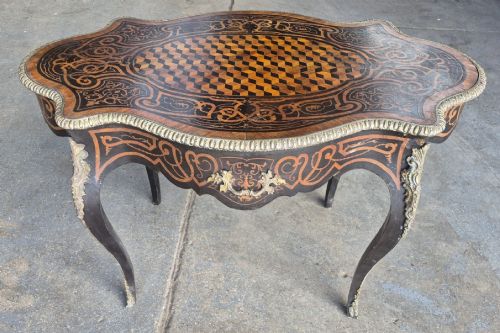
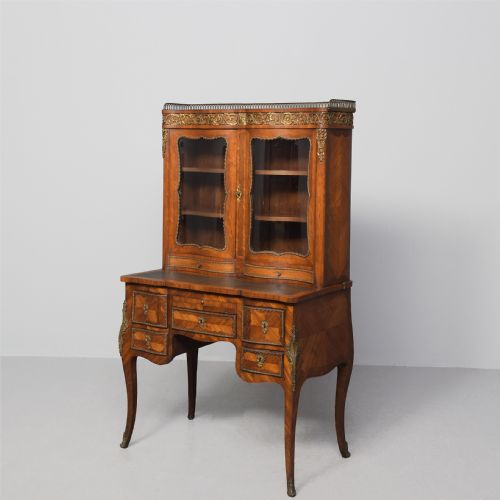
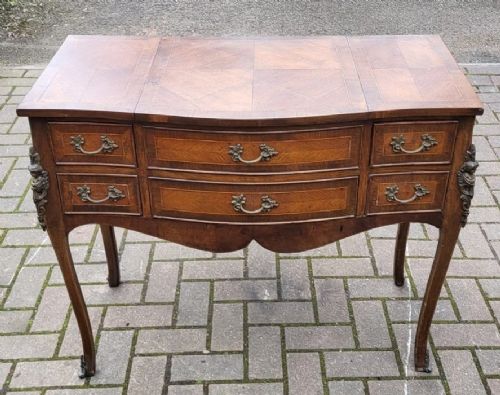
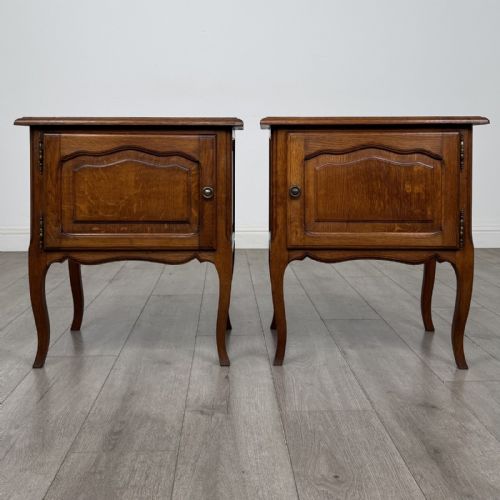
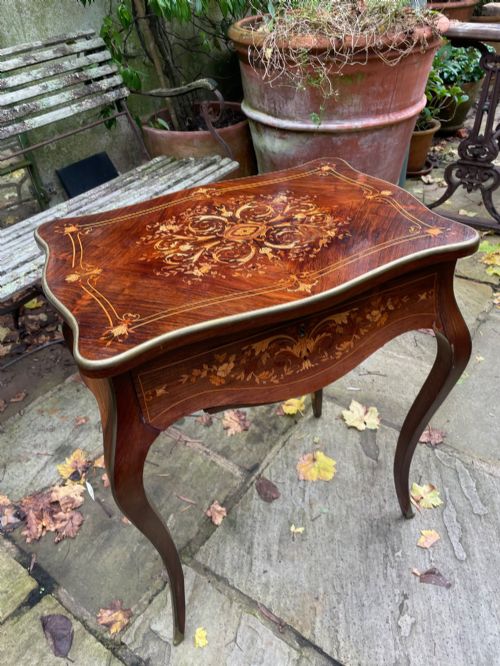
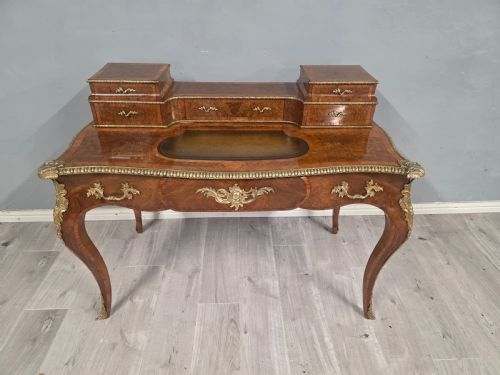
French louis style tables encompass a rich variety of occasional furniture, writing desks, and centre tables drawing inspiration from the courts of Louis XV and Louis XVI. Pieces range from serpentine writing desks and inlaid coffee tables to bedside cabinets and grand centre pieces designed to sit proudly in the middle of a room.
The versions you are most likely to encounter on this page date from the nineteenth and early twentieth centuries, spanning revivals from eighteen sixty through to nineteen thirty. Makers of these periods adopted the flowing asymmetrical curves of the rococo or the straight-lined neoclassical restraint of the later louis eras.
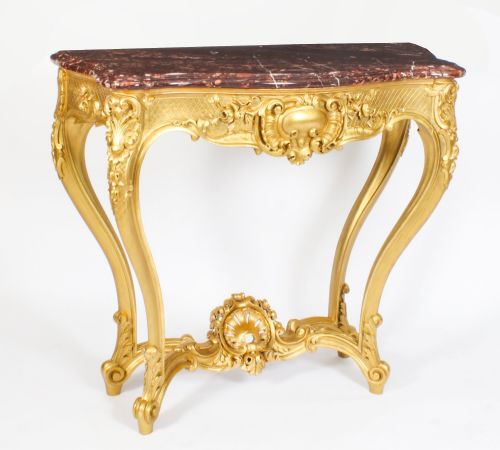
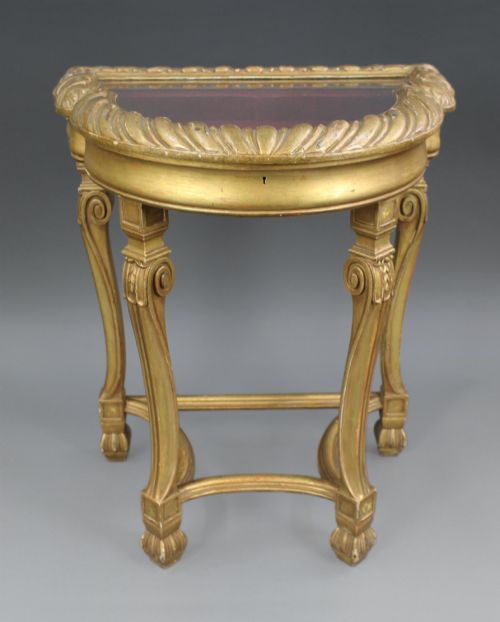
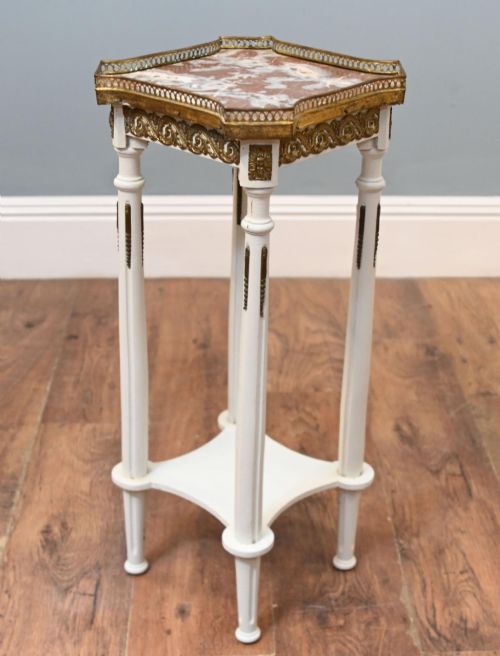
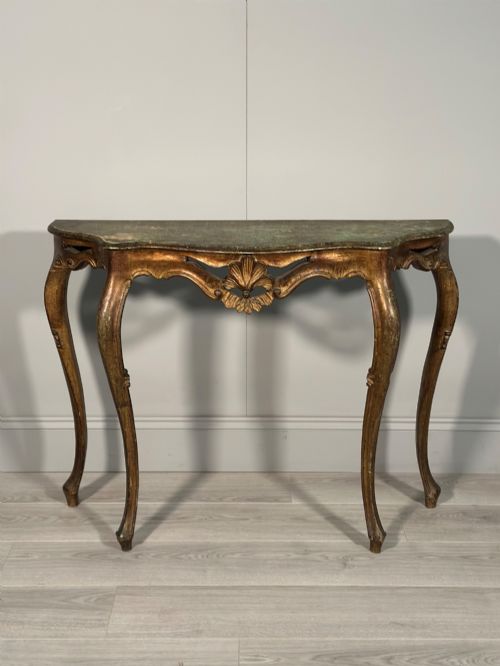
Forms include kidney-shaped occasional tables, two-tier étagères, and marble-topped console tables often accompanied by matching mirrors. These items served functional roles in boudoirs and salons, combining domestic utility with ornate decorative presence.
How they were made
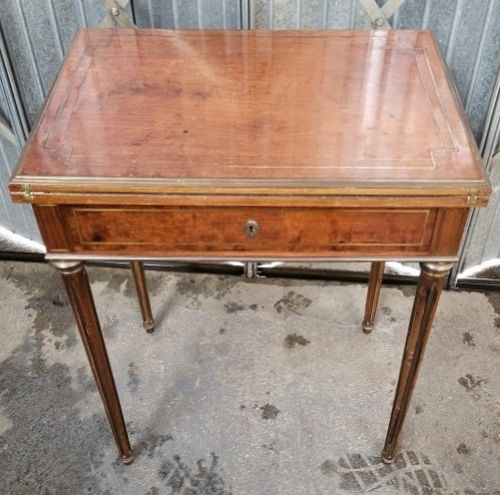
Cabinet makers built these pieces using structural timbers such as walnut, oak, and mahogany, overlaid with decorative veneers including kingwood, rosewood, and satinwood. Parquetry and marquetry patterns form geometric or floral motifs across tabletops, requiring meticulous hand-cutting and fitting of each individual wooden sliver.
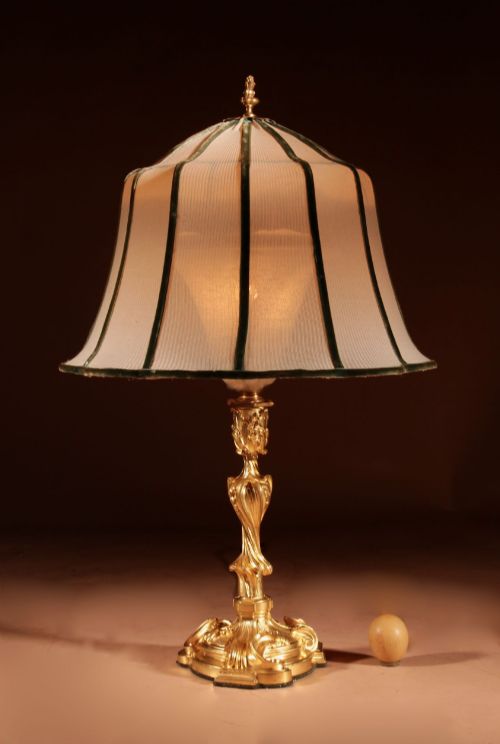
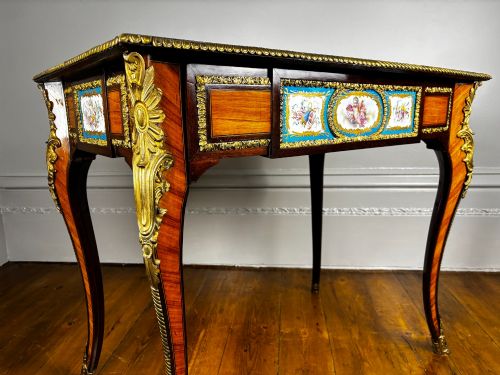
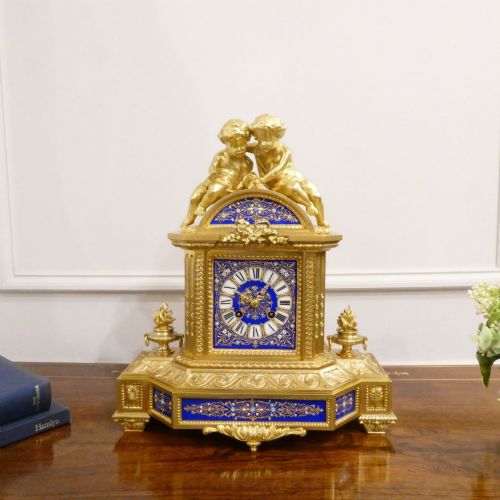
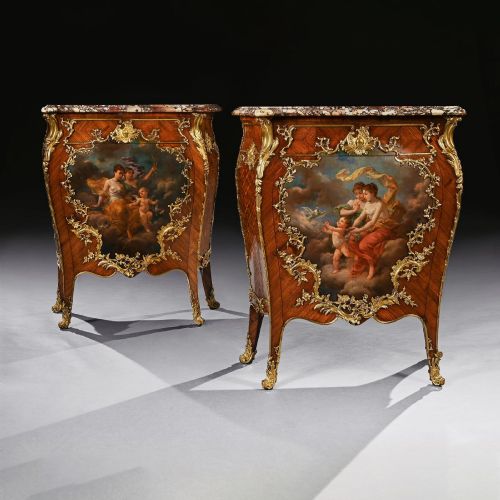
Metal mounts in ormolu, gilt bronze, and gilt brass edge the contours, highlight cabriole legs, and protect corners, cast and chased to accentuate the movement of the design. Inlaid marble tops and porcelain plaques are frequently integrated into the wooden frames, secured with precision stonemasonry and metal bezels.
French Louis Style Tables Retail Price Guide 2026
Typical asking prices for french louis style tables among the pieces listed under this phrase on Sellingantiques today, from the lower quarter to the upper quarter. They describe what is for sale here now, not the wider market.
Materials recorded on these tables include kingwood, walnut, ormolu, Sèvres porcelain, and Carrara marble.
What varies in quality
The distinction between ordinary and exceptional french louis style tables lies in the depth of hand-chasing on the metal mounts and the complexity of the wood marquetry. Superior examples display crisp definition in cast ormolu and seamless grain matching across curved drawer fronts and serpentine edges.
Structural integrity also separates the grades, as freestanding centre tables demand finished timber work on all four sides to allow placement anywhere in a room. The quality of the underlying carcase wood and the precision of the joinery dictate how well a table withstands decades of daily use.
Francois Linke·Jean-Baptiste Delettrez·Achille Brocot·JAS Shoolbred·Gillows
The French Louis Style Tables Glossary
- Ormolu
- Gilt bronze ornamentation applied to furniture mounts, clocks, and candelabra. The technique involves creating a mercury-gilt coating on bronze.
- Marquetry
- Inlaid wood veneers arranged in pictorial or decorative patterns across a surface. Artisans use contrasting natural timbers to create shading and detail.
- Parquetry
- Geometric wood inlay forming repeating patterns such as cubes or herringbones. It provides a durable and decorative surface for tabletops.
- Poudreuse
- A type of antique dressing table featuring folding lids and internal compartments for cosmetics and mirrors. These pieces date predominantly to the eighteenth and nineteenth centuries.
- Étagère
- An open shelving unit or multi-tiered small table used for displaying decorative objects. They often feature delicate supports and inlaid surfaces.
French Louis Style Tables: Frequently Asked Questions
What are french louis style tables?
These tables are decorative furnishings inspired by the aesthetic movements of the French royal courts, reinterpreted by nineteenth and early twentieth-century cabinet makers. They include writing desks, lamp tables, and console surfaces characterised by sophisticated marquetry and metal mounts.
Craftsmen drew upon historical rococo and neoclassical vocabularies to produce functional art for domestic interiors. Their enduring appeal stems from this blend of historic ornamentation and practical form.
How were centre tables used?
Freestanding centre tables were placed in the middle of principal reception rooms rather than pushed against walls, serving as focal points for conversation and display. They held decorative items such as lamps, clocks, or porcelain planters.
Because they were visible from all angles, makers ensured the timber work and mounts were finished to an equal standard on every side. This made them versatile pieces for dividing large interior spaces.
How do I tell Louis XV from Louis XVI?
Louis XV pieces, reflecting the rococo style, feature pronounced curves, cabriole legs, and asymmetrical ornamentation that mimics natural forms like foliage and shells. The lines are flowing and organic.
Louis XVI pieces, influenced by neoclassicism, introduce straight fluted legs, symmetry, and geometric shapes derived from classical architecture. The decoration relies more on urns, ribbons, and structured floral swags.
How do I care for marble top tables?
Marble surfaces require gentle cleaning with mild, pH-neutral soap and warm water to avoid damaging the polished stone. Acidic substances like citrus or wine should be wiped away immediately to prevent etching.
Using coasters and mats protects the porous top from moisture rings and scratches. Periodic waxing of the wooden base preserves the surrounding veneer without affecting the stone.