





French Log Basket
These french log basket pieces bring rustic utility and enduring metalwork into the home, offering both practical fireside storage and classic interior character.
French Log Basket
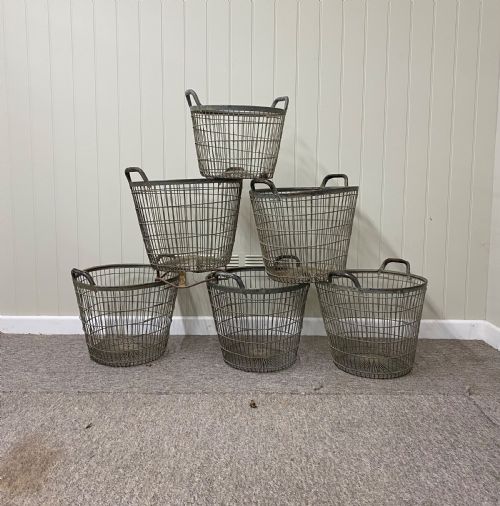
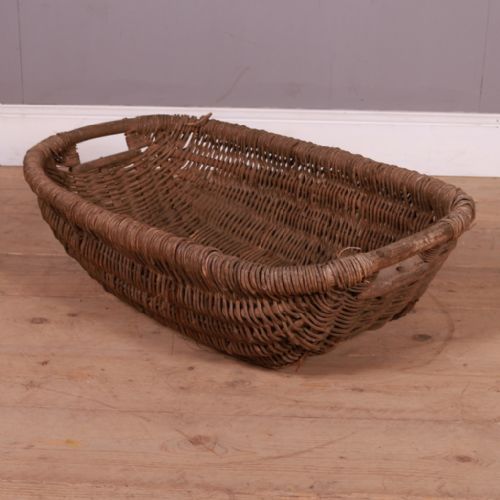
When you search for a french log basket, you are looking at robust utilitarian items originally fashioned for agricultural or domestic labour in France and adapted today for holding firewood. The examples you are most likely to meet on this page span the eighteenth, nineteenth and early twentieth centuries, encompassing traditional woven vessels as well as heavy metal cauldrons.
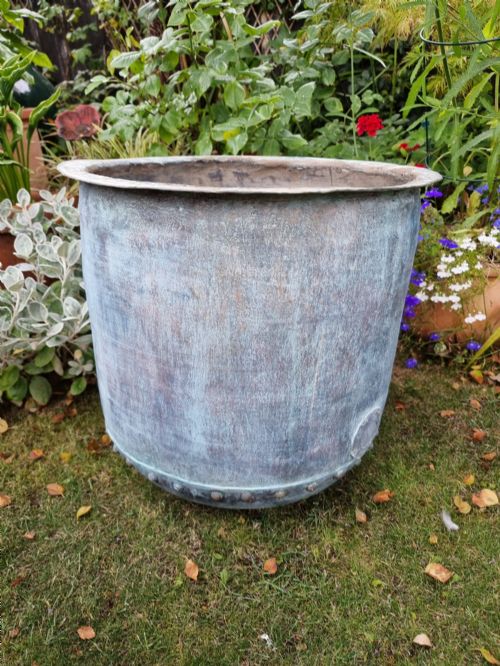
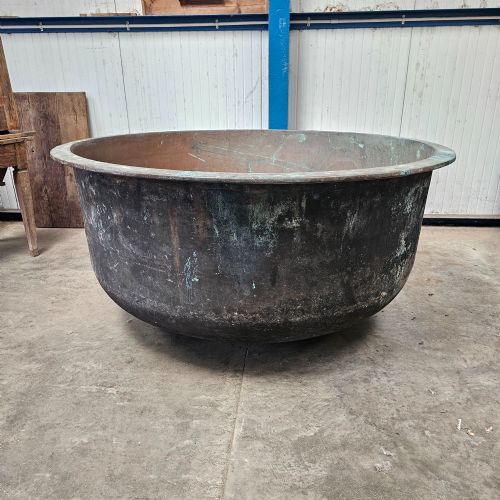
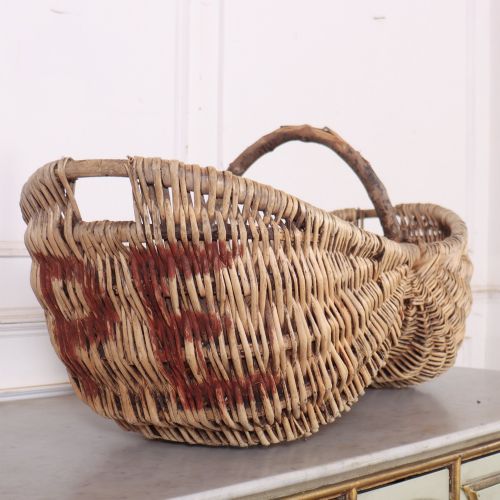
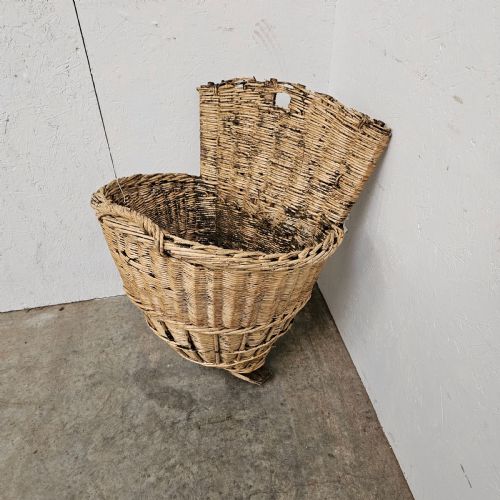
The forms originate from specific rural tasks, including wicker grape pickers' hods, willow harvest baskets, wooden crates and large copper cheese vats or garden display pots. These objects cross several stylistic categories, such as French Country, French Provincial, French Vintage and Art Deco, reflecting both regional workshops and distinct generational periods.
Materials range from natural willow and wicker to solid copper, brass, iron, leather and zinc. Whether you choose a woven storage basket or a metal fireside fuel bucket, each piece carries the distinct patina of hard manual work in vineyards and farmhouses.
How they were made
The woven pieces rely on traditional basketry techniques utilising natural willow and wicker, shaped by hand to create rigid, load-bearing structures suitable for heavy harvests. These organic materials are pliable yet resilient, woven into sturdy frames designed to withstand daily hauling.
Metal vessels combine durable sheet copper or brass with hand-beaten or riveted construction, often featuring iron handles and reinforced rims for heavy lifting. Dinanderie techniques are evident in decorative yet functional copper cauldrons and planters, showing skilled metal manipulation by period artisans.
French Log Basket Retail Price Guide 2026
Typical asking prices for french log basket among the pieces listed under this phrase on Sellingantiques today, from the lower quarter to the upper quarter. They describe what is for sale here now, not the wider market.
Some copper vessels spent their previous lives boiling cheese in Franche-Comte before finding a second career holding your evening firewood.
What varies in quality
The standard of a piece rests upon the integrity of its construction, whether that is the tightness and density of the willow weave or the thickness and weight of the beaten copper. Superior examples maintain structural soundness despite heavy historical use, with handles, rims and fixings remaining secure.
Artisanal detail also distinguishes finer pieces, seen in hand-beaten rivets, maker stamps such as Petrus Ramus, or regional forging characteristics that elevate simple utility into decorative craftsmanship.
The French Log Basket Glossary
- Wicker
- A technique of weaving with pliable plant materials such as willow, rattan or reed. It provides lightweight strength for traditional agricultural carriers and storage baskets.
- Dinanderie
- A medieval and revival term for worked brass and copper items, particularly vessels and containers shaped by hand beating.
- Hotte
- A traditional French backpack carrier or hod, often constructed from wicker or wood and used in vineyards for grape harvesting.
- Ferrat
- A heavy metal vessel or bucket, typically fashioned from copper or iron for industrial or domestic fireside tasks.
- Storage crate
- A wooden container utilised for agricultural produce or general transport, valued today for rustic interior organisation.
French Log Basket: Frequently Asked Questions
What is a french log basket?
A french log basket is a utilitarian container, typically originating from nineteenth-century France, used originally for agricultural harvests or fireside fuel.
Today, these objects are repurposed to store firewood beside a hearth while adding rustic texture to a room.
How were grape baskets used?
Grape baskets and hotte carriers were strapped to workers' backs or loaded onto carts during the demanding harvest seasons in French vineyards.
Their deep, sturdy forms were engineered to transport heavy loads of fruit from the vines safely.
Are copper cauldrons authentic?
Many large copper vessels and cauldrons date from the nineteenth and early twentieth centuries, originating from French farmhouses, dairies and gardens.
They show authentic period manufacturing methods, including hand-hammered panels and sturdy iron handles.
How do I care for wicker?
Wicker and willow pieces require minimal maintenance, needing only gentle dusting and occasional cleaning with a slightly damp cloth.
Keeping them away from excessive moisture preserves the natural flexibility of the plant fibres.