






French Lacquer Cabinet
A french lacquer cabinet brings rich japanned surfaces and gilt bronze into a room, offering both display and storage with unmistakable continental flair.
French Lacquer Cabinet
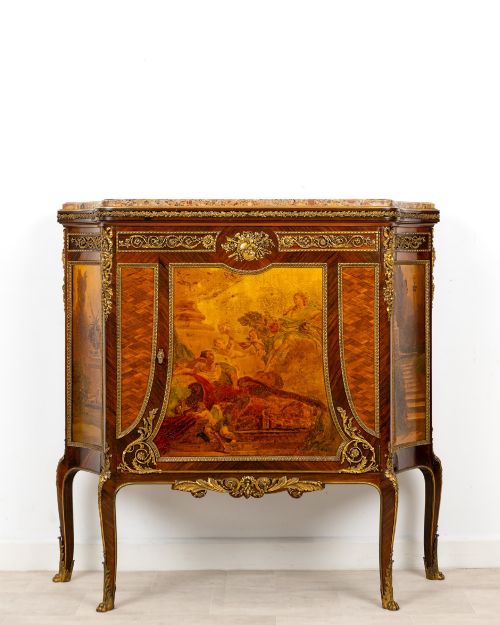
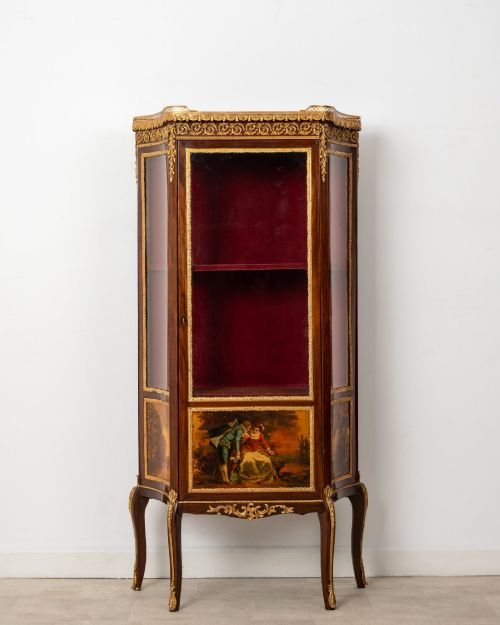
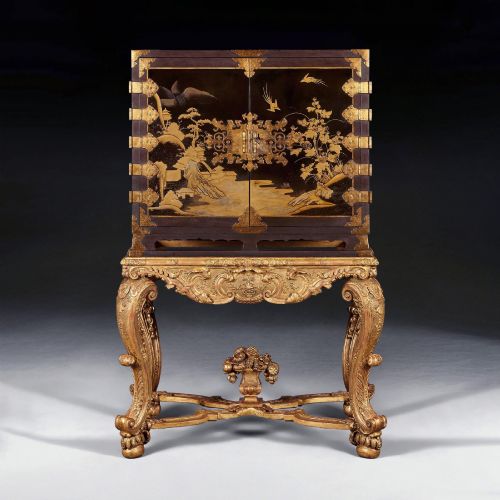
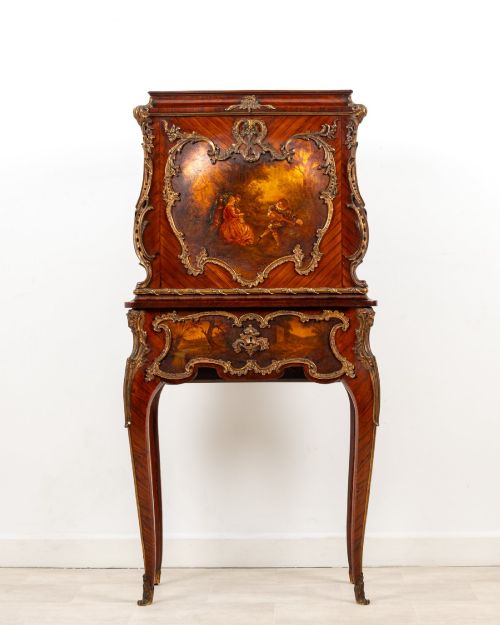
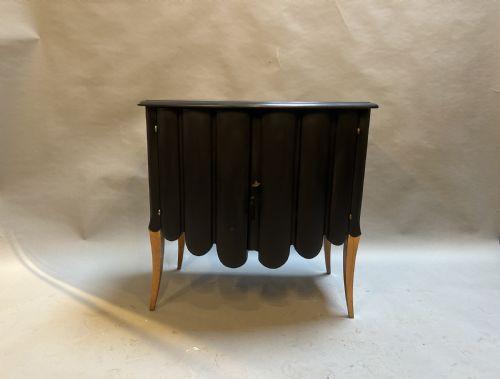
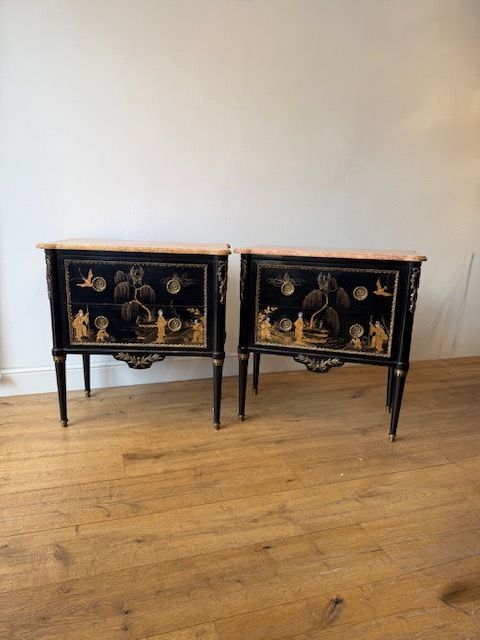
A french lacquer cabinet encompasses various forms from grand display pieces to writing furniture, each incorporating polished japanned panels or vernis martin work. These pieces emerge across multiple eras, ranging from seventeenth-century Japanese imports on European stands to nineteenth-century revivals and twentieth-century art deco designs.
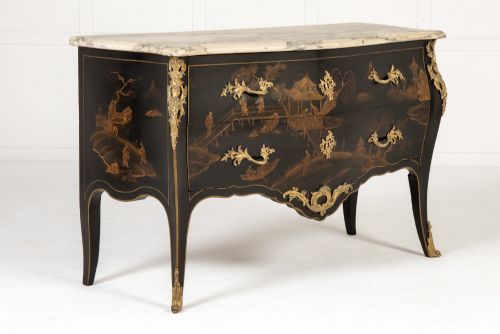
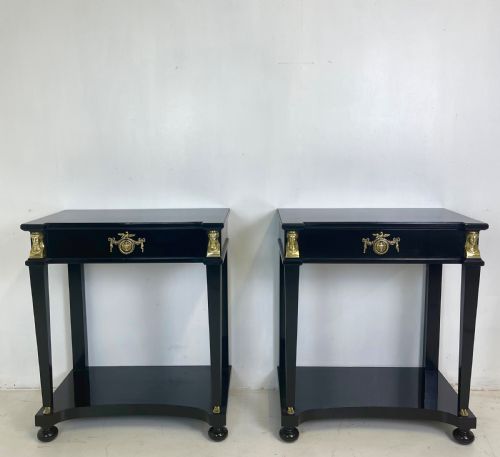
The selection frequently includes commodes, side cabinets, vitrines, and secretary desks mounted with ormolu or gilt-bronze details. Buyers encounter diverse stylistic influences, including Louis XV and Louis XVI revivals alongside chinoiserie and art deco expressions.
Materials and Construction
Cabinet makers utilised sturdy timbers such as mahogany, kingwood, and ebonised wood as the structural foundation for lacquer and vernis martin panels. These surfaces were built up using traditional varnishing and painting techniques to mimic Asian lacquer, often featuring raised chinoiserie motifs.
Gilt-bronze or ormolu mounts were cast and chased to frame the lacquer doors and corners, while marble tops frequently provided a durable and elegant surface finish. Glass panels were integrated into vitrines and display cabinets to showcase porcelain and collectibles.
French Lacquer Cabinet Retail Price Guide 2026
Typical asking prices for french lacquer cabinet among the pieces listed under this phrase on Sellingantiques today, from the lower quarter to the upper quarter. They describe what is for sale here now, not the wider market.
Some cabinets hide entire writing desks behind their lacquer doors, proving that seventeenth-century furniture designers understood the art of working from home.
Assessing Quality and Craftsmanship
The distinction between tiers of production lies in the depth and hand-finishing of the lacquer work, alongside the crispness of the gilt-bronze mounts. Finer examples display meticulous attention to detail in the painted scenes and smoother integration of the decorative panels with the wooden carcase.
Structural integrity and the quality of the underlying secondary woods also separate standard workshop output from pieces attributed to notable makers or prominent cabinet-making firms. The weight, chiselling, and fire-gilding of the ormolu hardware provide a reliable indicator of overall execution.
François Linke·Maison Krieger·Beurdeley·Gaudreaux
The French Lacquer Cabinet Glossary
- Vernis Martin
- A simulated lacquer developed in eighteenth-century France by the Martin brothers to replicate Asian lacquerware. This technique involved successive layers of varnish applied to furniture panels and decorated with painted scenes.
- Ormolu
- Gilded bronze used for decorative mounts and furniture hardware. The process involves applying a gold amalgam to a bronze base and heating it to drive off the mercury.
- Japanned
- European furniture finished with a glossy black or coloured lacquer inspired by imported Japanese and Chinese goods. Artisans built up layers of varnish to create a hard, reflective surface.
- Vitrine
- A glass-fronted cabinet designed for the display of porcelain, curiosities, and fine objects. These pieces often feature glazed sides to maximise light penetration.
- Secrétaire à Abattant
- A tall writing cabinet featuring a drop-front desk panel that conceals a fitted interior of pigeonholes and small drawers. They frequently incorporate lacquer panels on the fall front.
French Lacquer Cabinet: Frequently Asked Questions
How do I clean lacquer furniture?
Dust surfaces gently with a soft, dry microfibre cloth to prevent scratching the delicate varnish layers. Avoid using chemical sprays, abrasive cleaners, or excess water on the lacquer or gilt bronze.
Maintain stable room humidity to protect the wooden carcase and prevent the lacquer from cracking over time.
Where should I place a display cabinet?
Position the cabinet away from direct sunlight to protect the painted lacquer panels and prevent the wood from fading or drying out. Interior lighting can be added cautiously if glass shelves require illumination.
Ensure the floor is level so the doors and drop-front mechanisms align properly within the frame.
How do I date a lacquer cabinet?
Examine the construction methods of the internal drawers, secondary woods, and the style of the ormolu mounts for period clues. Nineteenth-century revival pieces often imitate seventeenth or eighteenth-century models using contemporary hardware.
Signatures, stamps, or maker marks on the bronze mounts or carcase wood can also help establish the date of creation.