




French Kitchen Buffet
A french kitchen buffet brings robust provincial utility and warm timber grain into a modern dining space.
French Kitchen Buffet
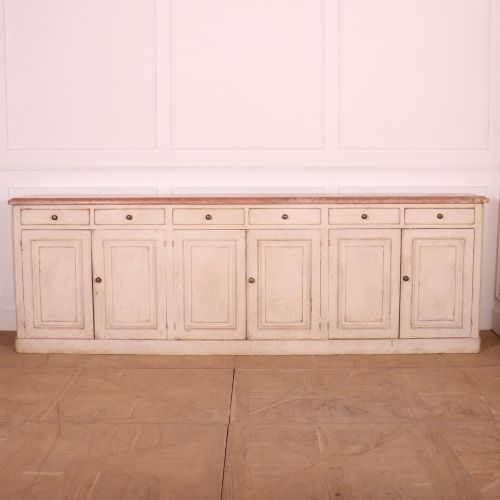
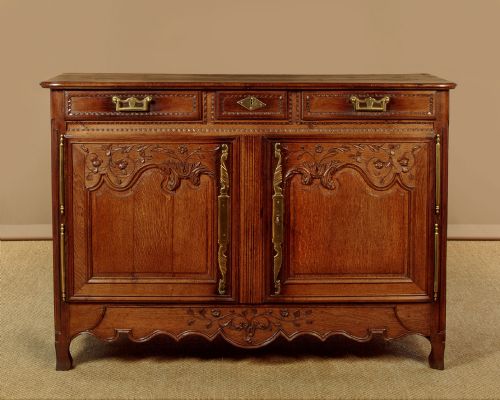
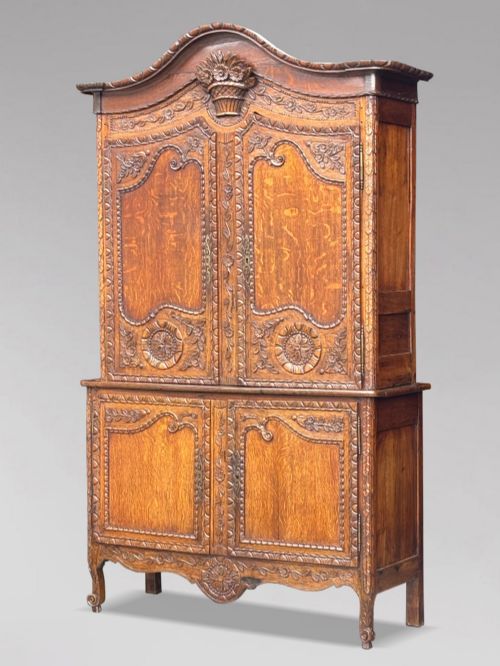
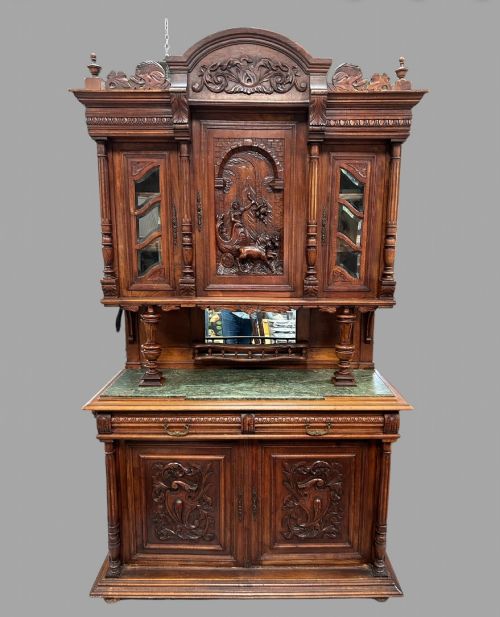
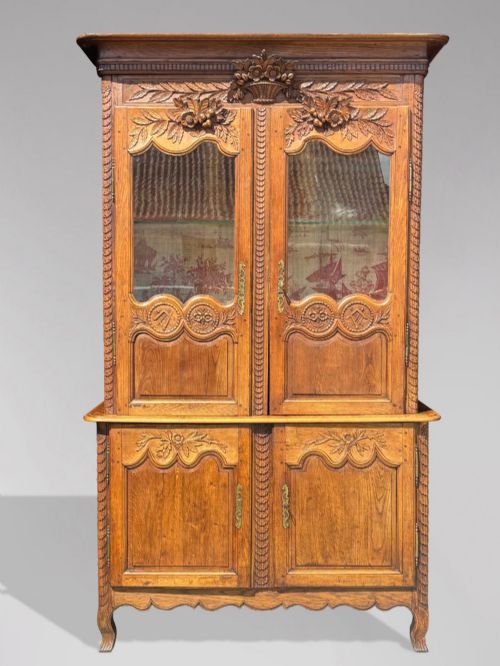
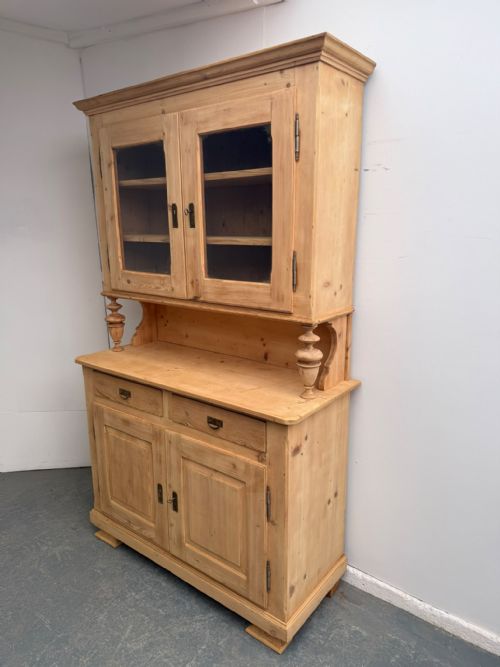
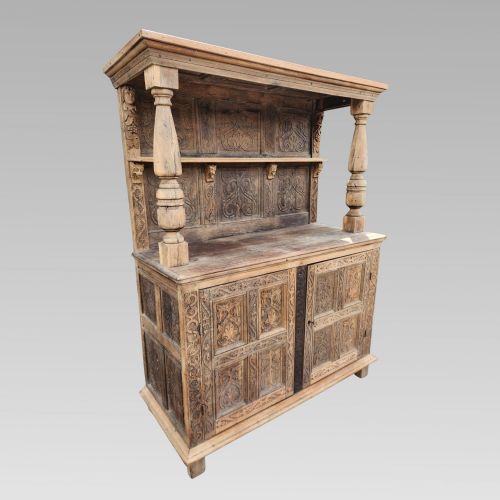
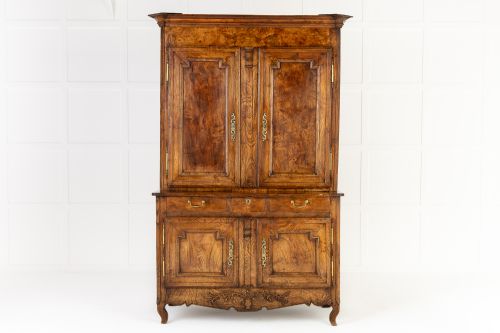
A french kitchen buffet encompasses substantial storage furniture originating from provincial homes and country houses, spanning the eighteenth and nineteenth centuries. These pieces appear primarily as large two-part dressers, housekeeper cupboards, low sacristy cabinets, and serving sideboards designed for domestic provisions. Buyers encounter robust provincial forms that balance heavy utility with regional decorative carving.
The material palette of these pieces relies heavily on native timbers such as oak, walnut, fruitwood, ash, and cherrywood, sometimes accented with brass hardware and glass. Stylistic expressions range from rustic French provincial and Louis XV lines to French country and French Renaissance revival. Pieces vary from tall buffet deux corps configurations to lower single-bodied bases suited for contemporary placement.
Surviving examples reflect the daily demands of domestic life through panelled construction, integrated shelving, and deep cupboards intended for tableware and provisions. The frequent presence of old paint, wax finishes, or natural patinated timber defines the visual character of the category. Each surviving item demonstrates the practical needs of rural French households adapted into enduring furniture.
Materials and Construction
Cabinet makers constructed these large pieces using solid regional hardwoods including oak, walnut, chestnut, and cherrywood, joined with traditional framing techniques. Timber selection depended on local availability, resulting in dense oak or softer fruitwood panels capable of withstanding heavy daily use. Iron strapwork, brass hinges, and glass panes appear where hardware and display sections were required.
Surface treatments vary from untreated pine and cedarwood bases to waxed walnut, inlaid fruitwood, and original painted finishes that developed character over generations. Carpenters employed pegged joints, hand-carved panels, and panelled door construction to build stable carcasses that endured centuries of kitchen service.
French Kitchen Buffet Retail Price Guide 2026
Typical asking prices for french kitchen buffet among the pieces listed under this phrase on Sellingantiques today, from the lower quarter to the upper quarter. They describe what is for sale here now, not the wider market.
Evaluating Quality and Construction
Quality in these pieces rests on the integrity of the timber framing, the crispness of hand-carved details, and the survival of original surfaces. Pieces featuring dense hardwoods like walnut or oak demonstrate greater structural resilience than softer pine alternatives. Retaining original hardware, glass, and untouched patinated finishes elevates the standing of a piece.
Proportion and scale dictate the visual success of taller buffet deux corps and housekeeper cupboards, where balanced cornices and well-aligned doors matter. Finer examples show careful timber selection in large panelled surfaces, whereas simpler rustic items prioritise utility over refined joinery.
The French Kitchen Buffet Glossary
- Buffet deux corps
- A large two-part cupboard featuring a lower sideboard base beneath an upper cabinet section. This form provided extensive storage for household provisions and tableware in provincial homes.
- Buffet vaissellier
- A traditional storage unit combining a lower cupboard with upper open shelving for displaying plates. It served as the central storage fixture in French country kitchens.
- Fruitwood
- Timber harvested from fruit-bearing trees such as cherry, pear, or apple, utilised by provincial cabinet makers for its fine grain and warm tone. It often appears in inlaid or decorative pieces.
- Sacristy cabinet
- A low sideboard or cupboard originating from ecclesiastical settings but adopted for domestic storage in hallways or dining rooms. These pieces offer accessible surface space and enclosed lower storage.
- Patina
- The surface sheen and colour depth developed by timber through age, wax application, and continuous handling. It serves as an indicator of a piece's age and history.
French Kitchen Buffet: Frequently Asked Questions
How were these buffets used originally?
These pieces served as the primary storage vessels for heavy crockery, linens, and dry foodstuffs in provincial French homes. The upper sections displayed prized tableware while lower cupboards concealed everyday kitchen provisions.
Over time, they evolved to anchor the dining room or kitchen space, functioning as both working storage and decorative focal points. Their heavy timber construction allowed them to withstand the rigorous demands of daily rural domestic life.
How do I fit a large buffet into a modern room?
Measuring both ceiling height and floor clearance is essential before introducing a tall buffet deux corps or housekeeper cupboard into a domestic interior. Lower buffet bases and sacristy cabinets offer versatile alternatives when vertical space is restricted.
Allowing sufficient clearance around the piece lets the heavy timber proportions breathe within a contemporary layout. These substantial items pair well with neutral walls that highlight the natural grain and historic patina of the wood.
How do I distinguish eighteenth-century pieces from nineteenth-century ones?
Eighteenth-century examples often exhibit hand- carved panelwork, pegged frame construction, and regional Louis XV stylistic details that reflect specific provincial workshops. Timbers like oak and cherry from this era show deep patination accumulated over centuries of use.
Nineteenth-century pieces frequently incorporate pitch pine, walnut, or fruitwood, sometimes featuring revival styles or simpler rustic construction. Examining the interior joinery and backboards helps reveal the manufacturing period.
Should I wax or paint a wooden buffet?
Maintaining the existing surface treatment preserves the historic character and visual depth of the timber. Applying traditional beeswax helps nourish dry hardwoods like oak and walnut without altering their historic finish.
Painting is generally reserved for pieces that already bear historic or later decorative paint layers rather than stripping original timber. Consulting the specific material composition ensures the wood grain remains protected.