




French Jewel
A French jewel brings domestic elegance into a room through cast ormolu, polished marble and hand-painted enamel.
French Jewel
A French jewel encompasses diverse decorative objects and timepieces originating from France across the eighteenth, nineteenth and twentieth centuries. Buyers seeking a French jewel encounter items ranging from miniature bedside clocks and gilt bronze picture frames to trinket boxes and display cabinets.
The selections available here lean heavily toward nineteenth-century pieces influenced by Louis XVI and Napoleon III revivals, alongside folk art iterations and mid-century timepieces. These domestic furnishings and personal items demonstrate the enduring appeal of French craftsmanship in brass, glass and ceramics.
Materials and construction
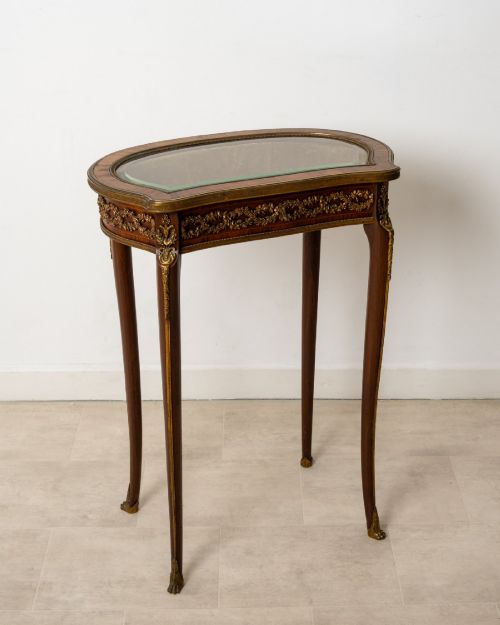
Makers utilised cast ormolu and gilt bronze to mount marble, wood and glass, creating decorative frames, clock cases and vitrine tables. Ormolu provided a rich, golden surface finish that complemented intricate chased details on miniature clocks and candelabras.
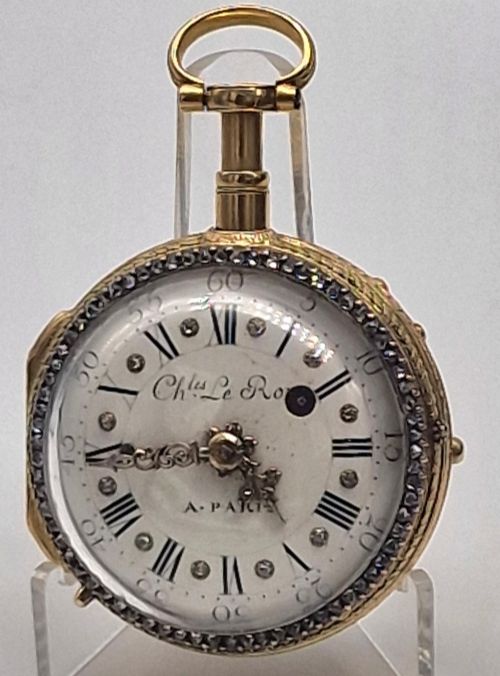
Enamel and paste stones frequently decorated pocket watches and picture frames, adding colourful focal points to metalwork. Woodwork relied on kingwood and mahogany veneers, while folk art pieces utilised simpler timber construction.
French Jewel Retail Price Guide 2026
Typical asking prices for french jewel among the pieces listed under this phrase on Sellingantiques today, from the lower quarter to the upper quarter. They describe what is for sale here now, not the wider market.
Some pocket watches managed to include jewels in their mechanisms long before anyone thought to put them on the outside.
Assessing quality
Quality rests upon the crispness of the metal chasing and the depth of the gilding on bronze and ormolu mounts. Finer pieces display sharply defined ornamentation that remains clean and bright across every contour.
Material selection and decorative complexity further distinguish individual examples, such as the integration of bevelled glass panels, hand-painted porcelain or genuine paste stones rather than plain glass.
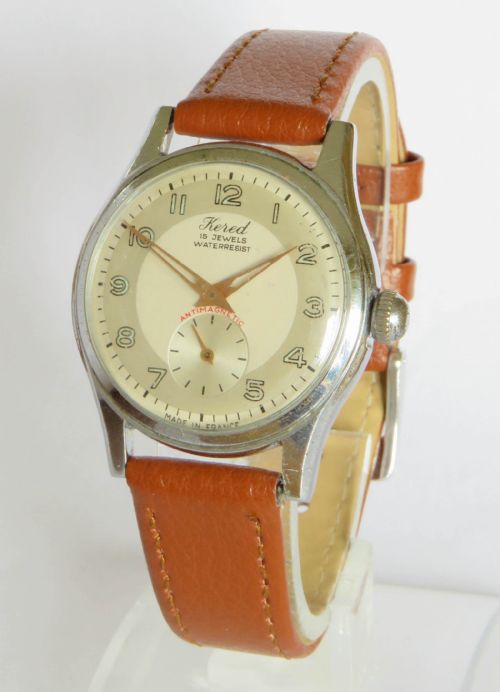
Charles Le Roy·Kered
The French Jewel Glossary
- Ormolu
- Gilded bronze produced by applying a mercury and gold amalgam to cast bronze before heating. This technique yielded a durable, luminous golden finish characteristic of fine nineteenth-century French decorative objects.
- Vitrine
- A glass-sided display cabinet or table designed to showcase small decorative items and trinkets. These pieces often feature fine wood veneers and gilt bronze mounts.
- Paste stones
- Hand-cut and polished lead glass used to imitate gemstones in jewellery and decorative frames. High-quality paste stones possess strong light refraction and sparkle.
- Sevres style
- Ceramic wares decorated in the manner of the famous Sevres porcelain factory, frequently featuring hand-painted scenes and rich ground colours.
French Jewel: Frequently Asked Questions
What is a French jewel?
A French jewel refers to decorative items, timepieces and furnishings originating from France, spanning miniature clocks, picture frames and trinket boxes.
These objects often incorporate gilt bronze, enamel and porcelain to achieve a decorative aesthetic.
How do I identify a nineteenth-century piece?
Nineteenth-century pieces frequently display revival styles such as Louis XVI, Napoleon III or French Chateau aesthetics.
Examination of the ormolu casting, glass bevelling and wood veneers helps confirm the period of manufacture.
Where were these items used?
These decorative objects were designed for display in domestic interiors, including drawing rooms, bedrooms and studies.
Items such as mantel clocks and picture frames functioned as both practical accessories and status symbols.
What materials are common?
Common materials include cast ormolu, gilt brass, enamel, marble and glass, often paired with mahogany or kingwood.
Paste stones and hand-painted porcelain panels frequently provide additional surface decoration.