


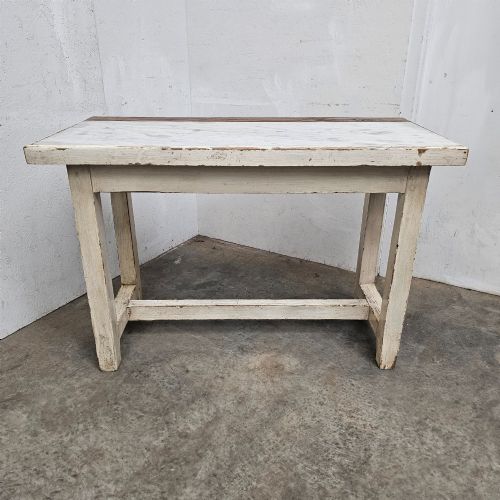


French Island Table
A french island table brings robust utility and provincial character straight into the heart of a kitchen.
French Island Table
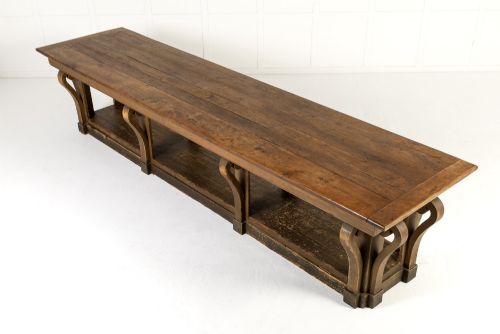
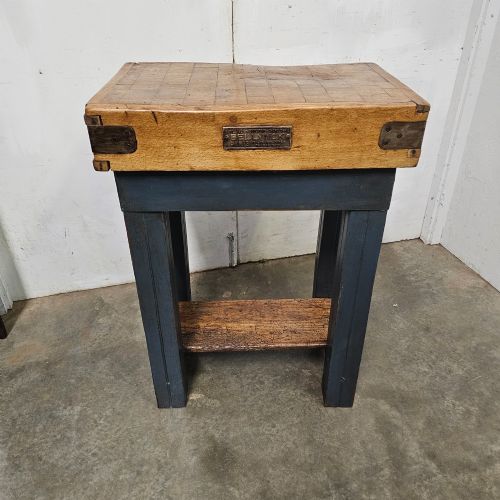
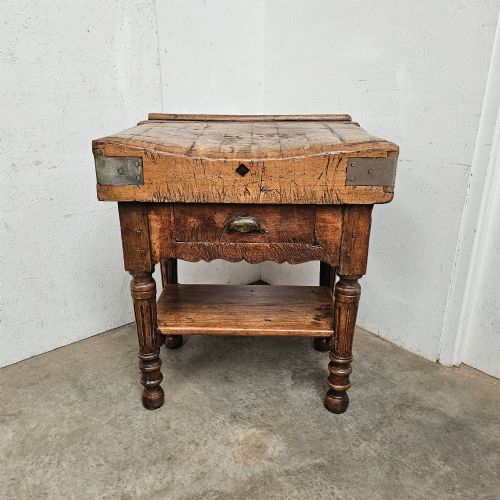
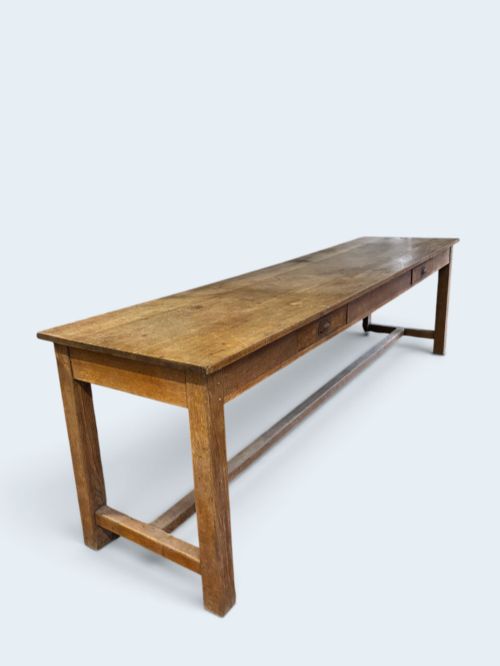
When you search for a french island table, you encounter heavy-duty work furniture originating from provincial kitchens, shops, and workshops across France. These substantial pieces encompass everything from narrow drapers tables and scrub-top kitchen tables to butchers blocks and artisans workbenches.
The pieces appearing here span from the eighteenth century through the early twentieth century, reflecting rustic country and industrial aesthetics. Common forms include multi-tiered serving tables, shop counters, and marble-topped charcuterie prep tables designed for heavy daily use.
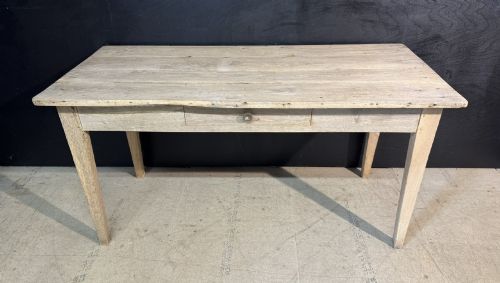
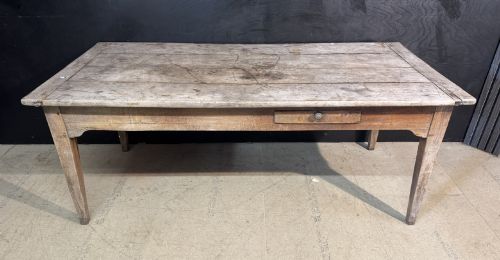
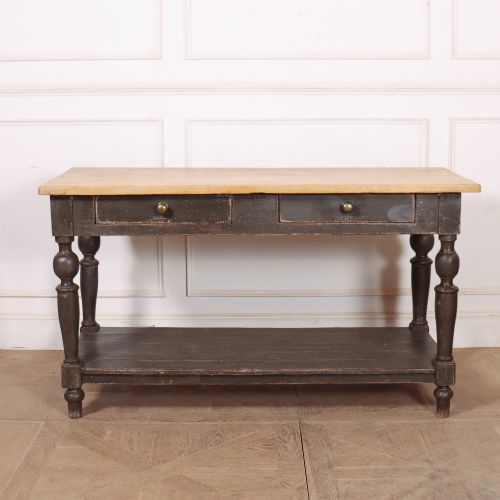
You are most likely to meet utilitarian prep tables constructed from oak, pine, and beech, often featuring painted bases or scrubbed wooden tops. Their generous proportions and practical drawers or pot-shelves make them natural focal points for modern food preparation and dining.
Materials and Construction Methods
Makers utilised dense native timbers such as oak, elm, walnut, and beech for the primary frames and thick working tops, pairing them with pine for secondary elements like drawer linings. Heavy slabs of marble, end-grain butcher blocks, or thick two-board timber tops were fitted to withstand demanding culinary labour.
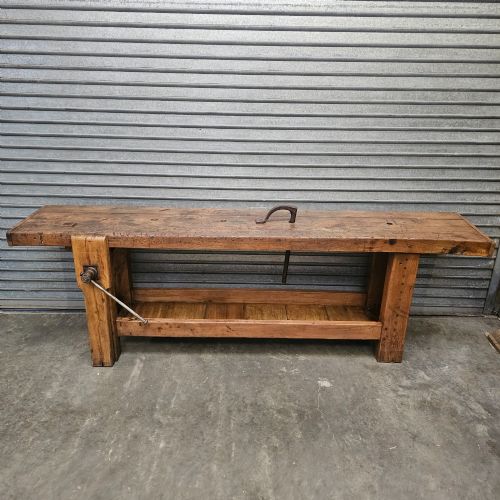
Structural integrity relied on honest joinery, heavy bracing, and occasional iron or brass hardware, including functional vices on artisan workbenches and bronzed mounts on specific blocks. Surfaces were frequently left untreated to be scrubbed clean or finished with traditional layers of paint that have since weathered through decades of use.
French Island Table Retail Price Guide 2026
Typical asking prices for french island table among the pieces listed under this phrase on Sellingantiques today, from the lower quarter to the upper quarter. They describe what is for sale here now, not the wider market.
One workshop bench arrives with its original wooden vice still attached, ready for heavy woodworking or holding a very stubborn loaf of bread.
Evaluating Quality and Authenticity
The standard of a french island table rests on the integrity of its timber top and the balance of its proportions. Pieces featuring thick, original scrubbed tops or authentic end-grain butcher blocks hold greater distinction than those with heavily altered or replaced surfaces.
Construction details also dictate the calibre of the piece, distinguishing honest provincial workshops from later imitations. Original painted finishes that show genuine age, intact ironwork, and retainable working components like drawers or vices elevate the standing of any work table.
Trussant And Cie·Hennes France
The French Island Table Glossary
- Drapers Table
- A long, narrow table traditionally utilised in fabric shops for measuring and cutting textiles. They often feature multiple tiers or drawers and translate well into modern kitchen islands.
- Scrubs Top
- A wooden table top designed to be vigorously scrubbed clean with water and sand after food preparation. This process leaves the grain raised and bleached over generations.
- Butchers Block
- A thick, heavy block of end-grain timber, usually beech or oak, mounted on a sturdy stand or base. It provides a durable surface for chopping meat.
- Pot-Shelf
- A lower storage shelf built into the base of a table or dresser to hold heavy pots and pans. This addition maximises storage space in provincial kitchens.
- Patisserie Table
- A specialist prep table associated with pastry making, occasionally fitted with a marble or smooth wooden top. These tables offer a cool surface suited for rolling dough.
French Island Table: Frequently Asked Questions
What is a french island table used for?
These tables serve primarily as central prep stations, kitchen islands, or serving spaces for food preparation and storage. Their generous surfaces accommodate daily cooking tasks while lower shelves provide practical storage for heavy kitchenware.
Historically designed for trade work, drapers, and butchery, they adapt easily into contemporary domestic settings as both decorative and highly functional furniture.
How do I clean a wooden prep table?
Maintenance depends on whether the timber top is scrubbed, polished, or sealed. Regular wiping with a damp cloth and mild soap suffices for most sealed surfaces, while raw wooden tops benefit from traditional scrubbing.
Avoid harsh chemical cleaners that strip the natural oils and patination accumulated over centuries of use. Nourishing the wood periodically with appropriate natural oils helps protect the grain.
How can I date an old work table?
Dating relies on examining the timber species, tool marks, joinery techniques, and overall wear patterns. Eighteenth and nineteenth-century pieces typically display hand-cut joints, pegged tenons, and timber characteristics unique to pre-industrial sawmilling.
Hardware such as forged iron brackets, brass fittings, or the absence of modern screws also assists in establishing the approximate era of manufacture.
Will a large work table fit in my kitchen?
Because these tables range from compact butchers blocks to monumental four-metre drapers tables, careful measurement of your kitchen space and entryways is essential. Consider the clearance needed around the table for movement, opening drawers, and standing comfortably.
Many provincial pieces offer narrow profiles compared to standard modern islands, making them surprisingly adaptable to tighter rooms.