



French Iron Urns
French iron urns bring classical garden presence to a terrace or patio, forged in heavy metal to weather the seasons.
French Iron Urns
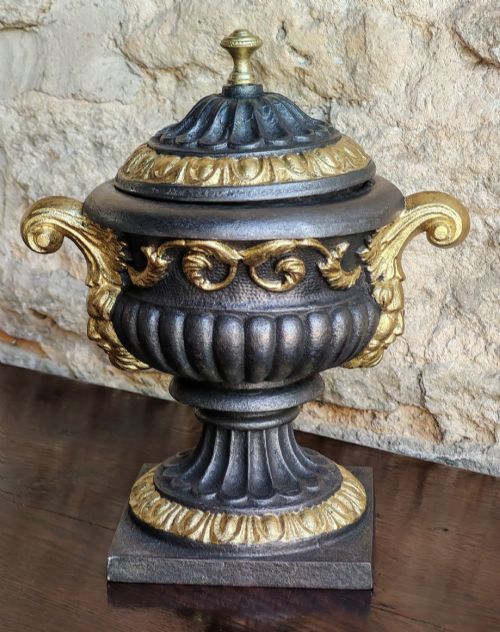
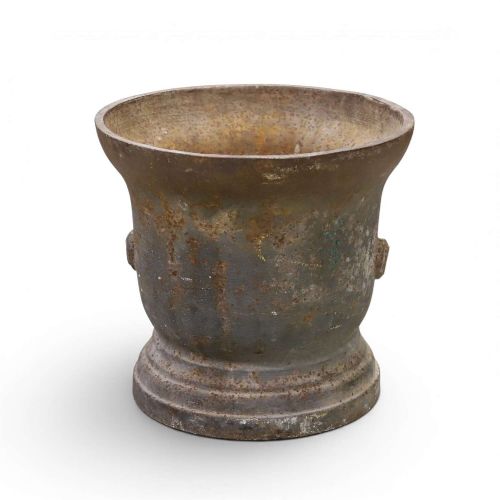
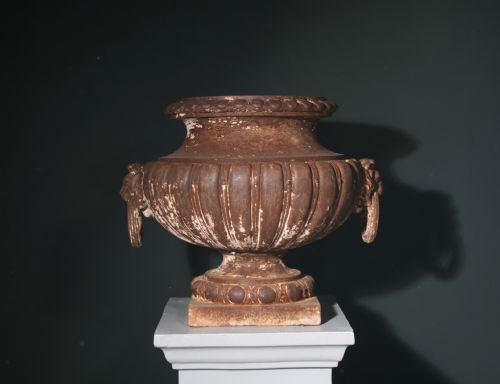
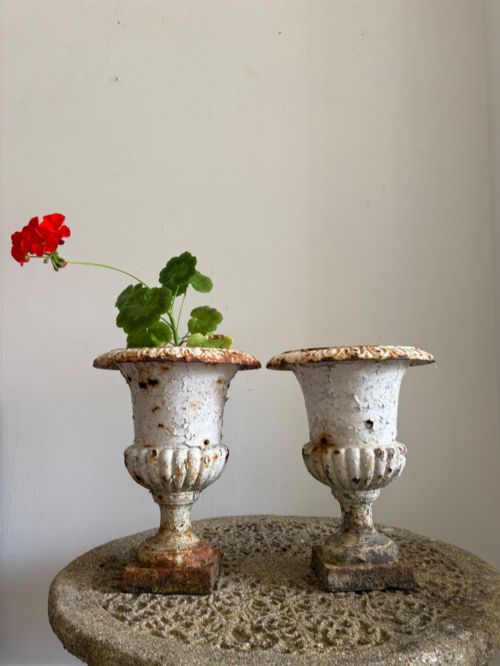
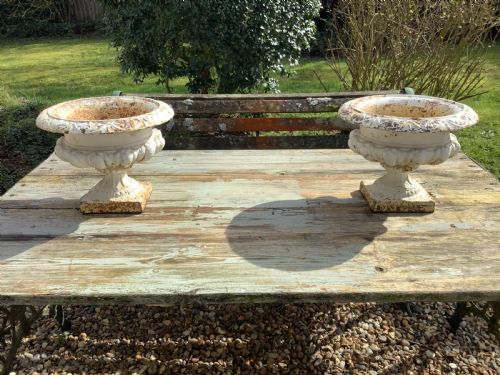
French iron urns encompass robust garden planters, decorative patio vessels, and smaller table urns originating largely from the nineteenth century. These pieces draw heavily on neoclassical, classical revival, and Louis XVI design vocabularies, often presenting as paired garden ornaments. Buyers searching for french iron urns will frequently encounter cast iron examples displaying traditional forms such as gadrooned bodies and decorative mounts.
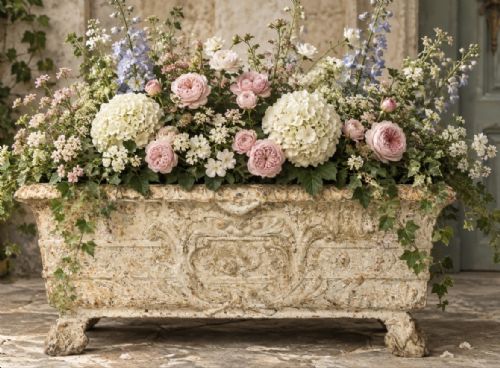
The selection ranges from grand garden planters and urns on plinths down to intimate table urns and related chateau accessories. Many survivors show the marks of age through original distressed paint finishes, reflecting decades of outdoor or interior placement. While the core of the inventory consists of heavy cast metal, variations include wrought iron work and related garden vessels in terracotta and zinc.
Origins span the Victorian era through the early nineteen-twentieth century, capturing a period when classical garden ornamentation was executed with industrial strength. The typical piece balances severe neoclassical lines with the tactile warmth of weathered metal and flaking paint. Whether intended for a formal garden path or a patio corner, these urns provide enduring structural weight.
Materials and construction
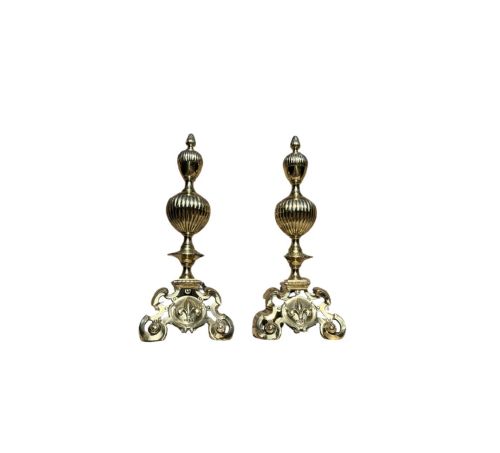
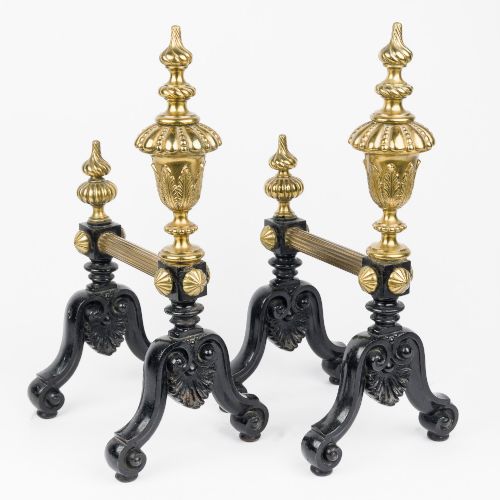
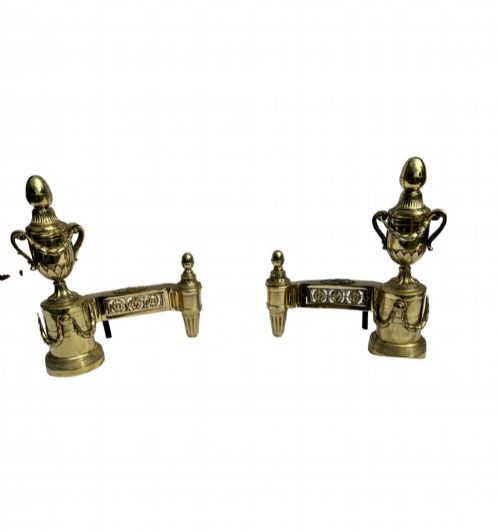
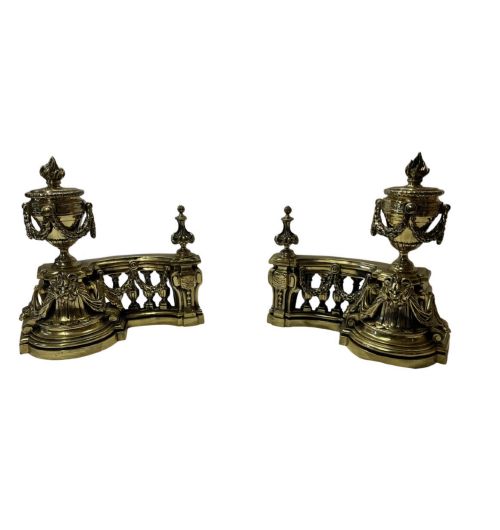
Makers utilised durable cast iron and wrought iron as the primary structural mediums, pouring molten metal into detailed moulds to achieve crisp classical relief. Foundries employed sand casting techniques for heavy garden urns and planters, allowing for thick walls that withstand outdoor elements. Brass components and mounts occasionally appear as contrasting decorative details on related fireplace accessories and urns.
Surfaces were frequently finished with paint, which over decades has weathered into the characteristic distressed patinas seen today. The combination of heavy iron casting and protective paint layers ensured these vessels could function as permanent architectural fixtures in French chateau and country gardens.
French Iron Urns Retail Price Guide 2026
Typical asking prices for french iron urns among the pieces listed under this phrase on Sellingantiques today, from the lower quarter to the upper quarter. They describe what is for sale here now, not the wider market.
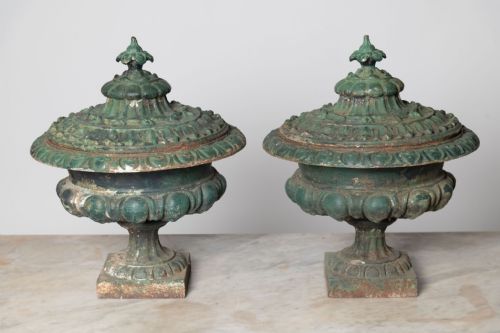
Some sturdy survivors even wear their original lids, proving that garden iron can keep a secret when it tries.
Evaluating quality and execution
Quality in these metal vessels rests upon the crispness of the casting detail and the proportion of the classical motifs. Finer foundry work exhibits deep, sharp gadrooning and clean relief work that survives decades of oxidation and repainting. Lesser examples may show softer surface definition or crude seam lines from hurried industrial production.
The presence of original lids, matching pairs, and authenticated foundry marks elevates a piece above standard utilitarian gardenware. Structural integrity remains paramount, distinguishing expertly cast ironwork from items compromised by deep structural corrosion.
Val D'Osne Foundry
The French Iron Urns Glossary
- Cast iron
- A strong, heavy alloy poured into moulds to create rigid decorative objects. This material forms the durable body of most garden urns and planters.
- Gadrooned
- Decorated with a series of convex curves or fluting that typically circles the bowl of an urn. This classical ornament adds texture and visual weight to the vessel.
- Neoclassical
- A style reviving the architectural and decorative forms of ancient Greece and Rome. It defines the balanced proportions and ornamental motifs found on these iron urns.
- Terracotta
- Fired clay used for Mediterranean-style jars and garden vessels. While distinct from metal, these earthenware pieces often accompany iron urns in garden settings.
- Wrought iron
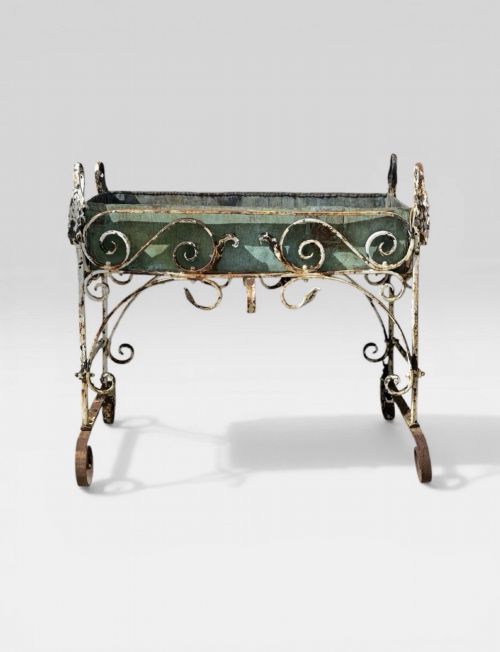
- Iron beaten into shape by hand or machine rather than poured into a mould. This material provides structural strength and decorative scrollwork for handles and stands.
French Iron Urns: Frequently Asked Questions
Where should I place a heavy iron urn?
These robust vessels suit permanent outdoor positions such as garden terraces, patio corners, or flanking a main entrance path. Their weight allows them to anchor formal landscaping without tipping.
Interior placement works well for smaller table urns or decorative pieces positioned in hallways and grand reception rooms.
How do I care for weathered outdoor iron?
Cast iron handles the elements well, developing a stable protective layer of oxidation over the decades. Minimal maintenance preserves the historic surface character.
Avoid aggressive cleaning that strips away original distressed paint layers, as these patinas contribute significantly to the aesthetic value.
Are these urns suitable for planting?
Most pieces function effectively as large garden planters for hardy shrubs, small trees, or seasonal floral displays. Ensure adequate drainage if water collects inside the bowl.
Interior styling often employs them dry as sculptural focal points rather than active plant containers.
How can I tell the period of an iron urn?
Nineteenth-century examples typically display heavier casting techniques, classical revival motifs, and genuine layers of aged paint. Foundry marks and construction seams offer further clues to the date of manufacture.
Stylistic shifts between strict neoclassical designs and later Victorian interpretations help narrow down the production era.