



French Iron Lamp
These french iron lamp pieces bring industrial strength and artistic elegance together, offering buyers robust construction paired with striking decorative glass.
French Iron Lamp
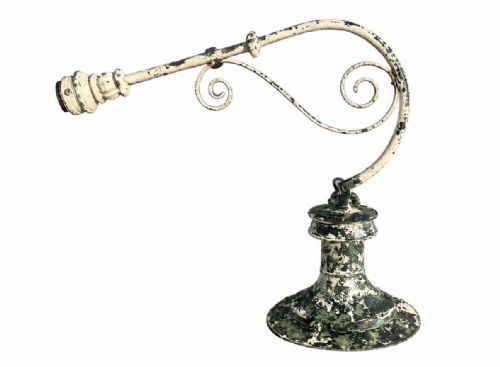
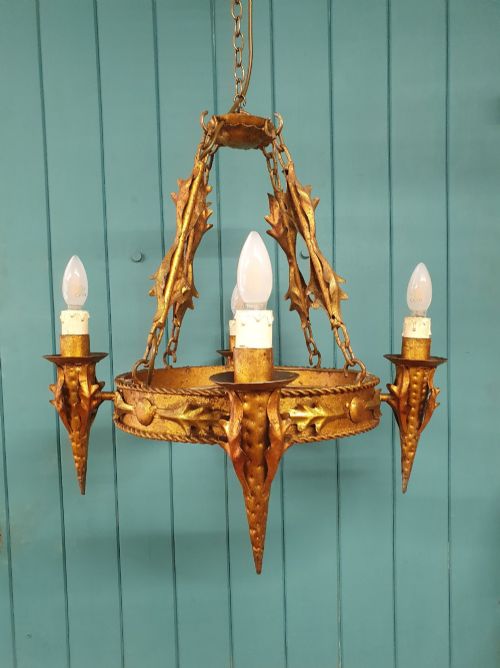
When searching for a french iron lamp, collectors encounter a diverse range of lighting objects spanning from the late nineteenth century through the Art Deco era. The selection incorporates various forms including table lamps, standard lamps, hall lanterns, and chandeliers constructed primarily from iron.
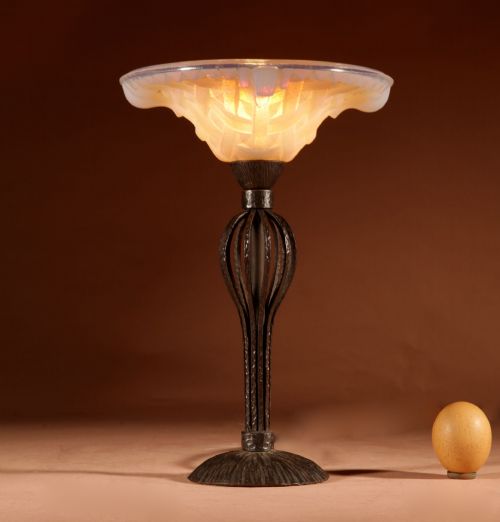
The objects frequently combine heavy metalwork with delicate glass elements, showing influences from Gothic Revival, Art Nouveau, and Art Deco styles. Buyers are most likely to meet pieces featuring wrought iron frames paired with frosted, opalescent, or enamelled glass shades.
How they were made
The construction relies heavily on forged wrought iron, shaped into structural frames, scrollwork, and suspension arms. This robust metalwork is frequently combined with brass or gilt metal accents to add contrast and detail.
Glass components are integral to the manufacture, utilising techniques such as acid etching, enamelling, and pate de verre. Makers integrated frosted, opalescent, and coloured glass panels directly into the iron frameworks to diffuse light evenly.
French Iron Lamp Retail Price Guide 2026
Typical asking prices for french iron lamp among the pieces listed under this phrase on Sellingantiques today, from the lower quarter to the upper quarter. They describe what is for sale here now, not the wider market.
Listings incorporate items spanning the Victorian era through to the 1930s, utilising wrought iron, brass, and various moulded glass types.
What varies in quality
Quality differences depend largely on the finesse of the iron forging and the artistic merit of the associated glass elements. Superior examples display hand-hammered details and fluid lines that demonstrate high craftsmanship.
The incorporation of named glass works or specialised manufacturing techniques elevates the standing of a piece. Heavier gauge iron and integration with signed glass shades distinguish finer productions from standard commercial items.
Daris·Muller Freres·Verrerie Des Vosge·Lacroix/ Lalique
The French Iron Lamp Glossary
- Wrought iron
- Iron that has been heated and worked with tools, known for its fibrous texture and malleability. This material forms the primary structural and decorative body of these lights.
- Pate de verre
- A glass-making technique involving the fusion of finely crushed glass in a mould. This method produces richly coloured, textured components often seen in high-end lighting.
- Opalescent glass
- Glass exhibiting a milky, iridescent appearance that scatters light softly. It is commonly utilised in lamp shades to create gentle illumination.
- Hall lantern
- An enclosed hanging light fixture designed specifically for entranceways and corridors. These fixtures often feature glass panels held within a protective metal cage.
- Gothic Revival
- An architectural and decorative style drawing inspiration from medieval design. Pieces in this category typically feature pointed arches and heavy, solemn ironwork.
French Iron Lamp: Frequently Asked Questions
How do I clean wrought iron?
Dust the iron framework regularly with a soft, dry cloth to prevent the accumulation of grime. Avoid harsh chemical cleaners that might strip the protective finish or damage adjacent glass elements.
For stubborn dirt, use a slightly damp cloth followed immediately by thorough drying to prevent oxidation. Maintaining a dry environment preserves the integrity of the metal.
Are these lamps wired for modern use?
Many vintage and antique lighting fixtures have been rewired for contemporary electrical standards, but older wiring may still be present. Buyers should inspect the internal components upon acquisition.
It is advisable to have a qualified electrician check or rewire the fixture before installation. This ensures safe operation in a modern home.
What styles are common?
The selection encompasses several distinct design movements, ranging from nineteenth century Gothic Revival to early twentieth century Art Deco and Art Nouveau. Each style reflects the prevailing aesthetic of its period.
Art Nouveau examples favour organic curves, while Art Deco pieces emphasise geometric precision. Gothic Revival items lean towards medieval motifs and heavier framing.