




French Historical Art
French historical art brings centuries of European narrative, portraiture and classical heritage directly into a room.
French Historical Art
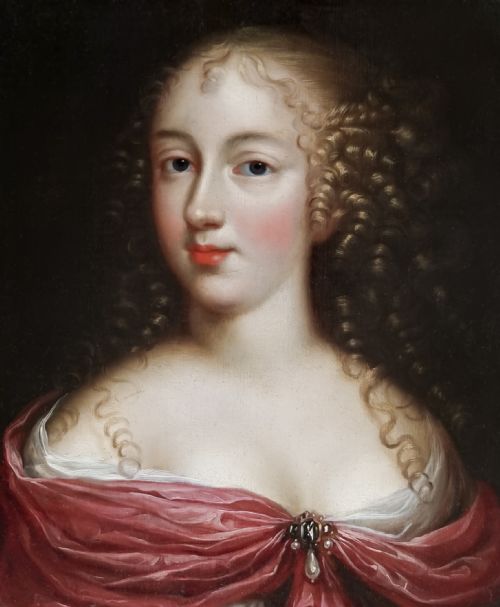
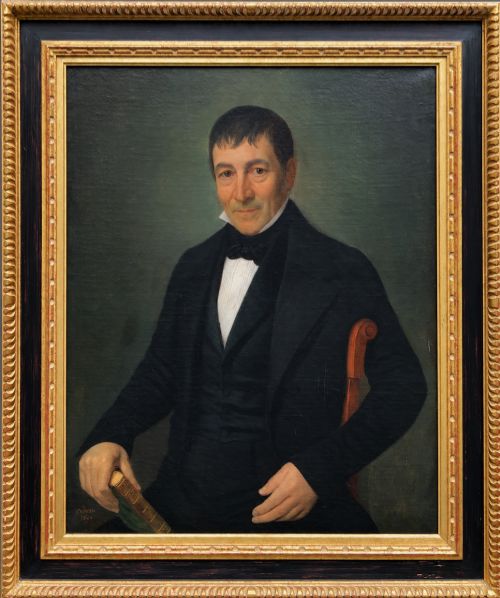
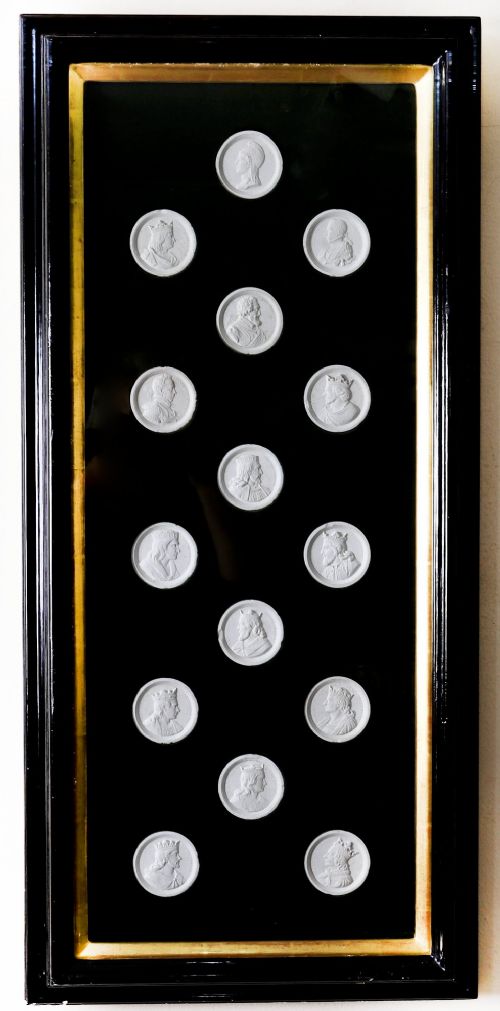
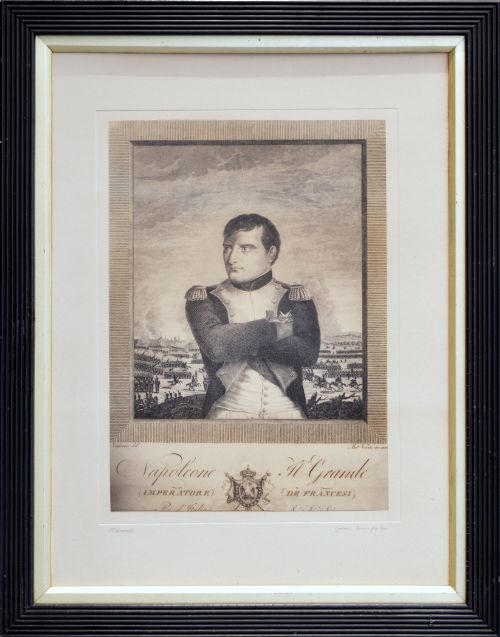
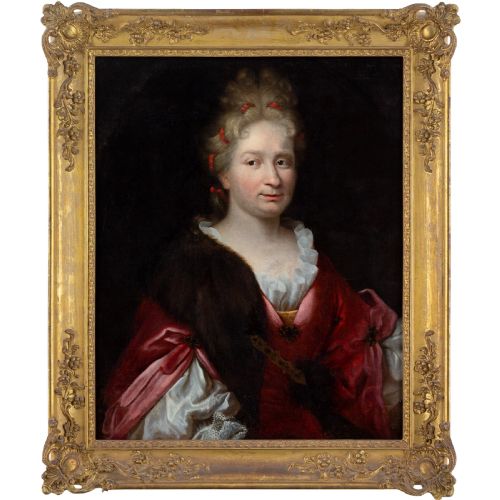
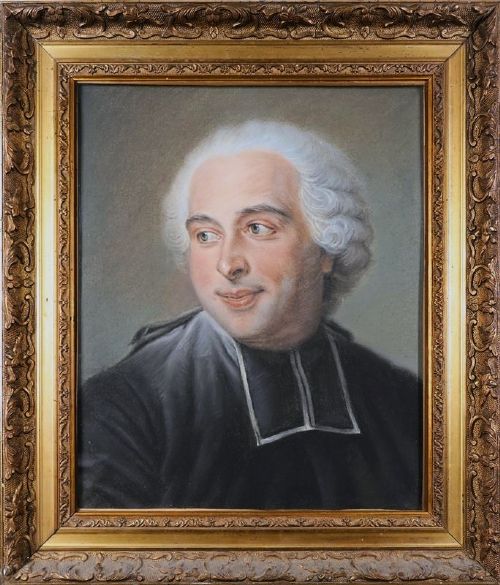
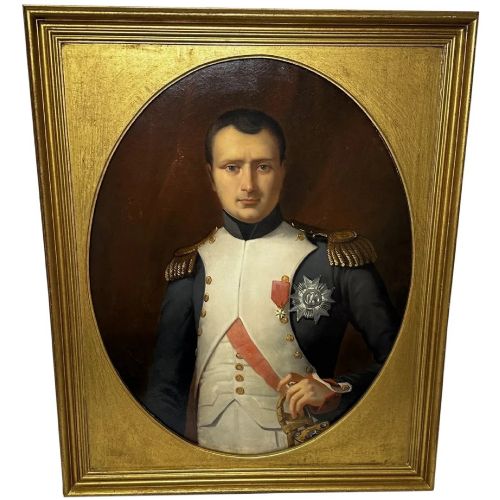
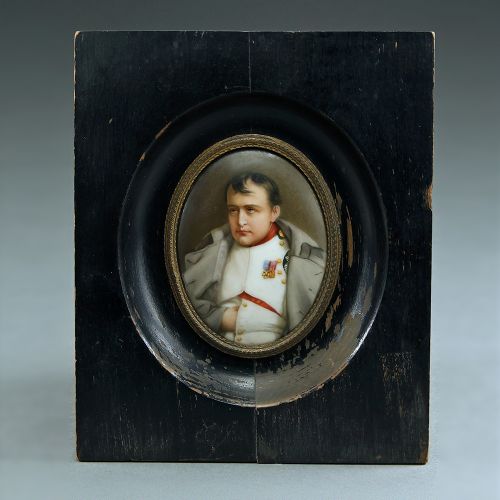
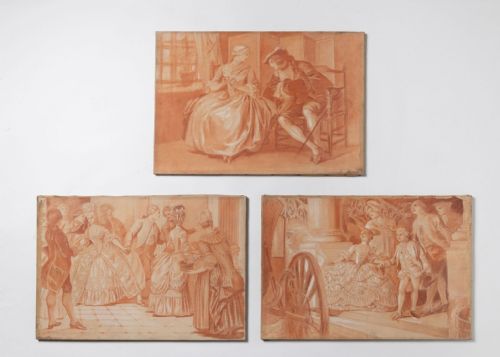
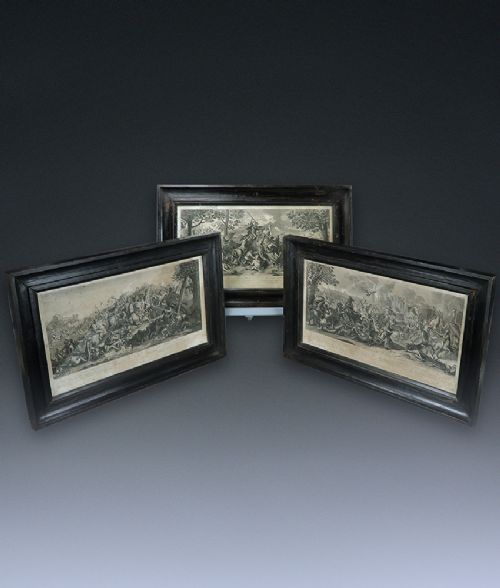
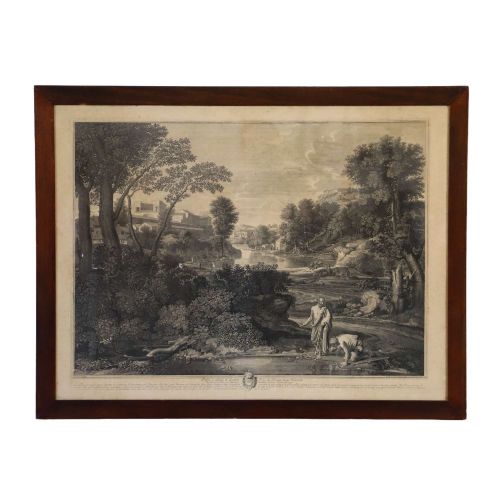
When you search for French historical art, you are looking at a diverse selection of paintings, prints, engravings and portrait miniatures that capture centuries of cultural memory. These works span subjects from classical mythology and royal lineage to military campaigns and period genre scenes.
You are most likely to encounter oil paintings on canvas and framed paper prints dating from the eighteenth and nineteenth centuries. These pieces reflect academic traditions, shifting political regimes and the enduring appeal of French portraiture.
Materials and methods of creation
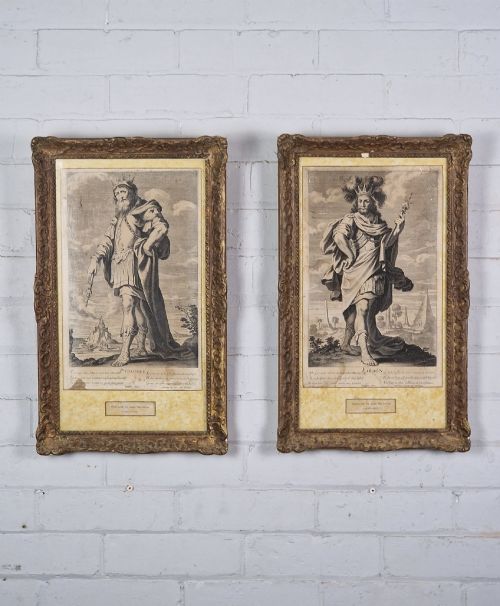
The works rely upon traditional fine art media, predominantly oil paint on canvas or wooden panels, alongside detailed works on paper using graphite, pastel and ink. Engravings and lithographs utilise meticulous plate work, occasionally enhanced with hand colouring.
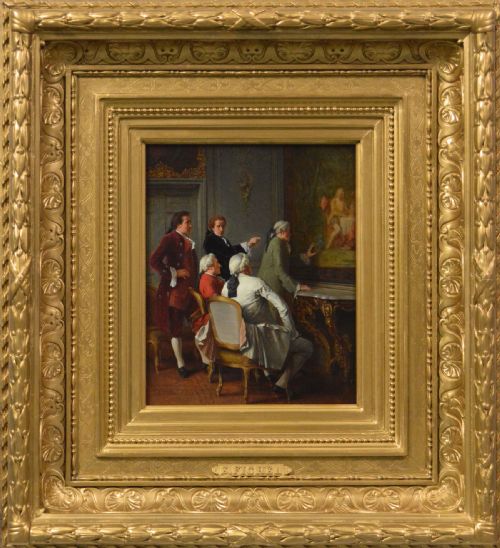
Framing is an integral part of the material history, with many pieces housed in period giltwood or wood frames that complement the aesthetic of the artwork.
French Historical Art Retail Price Guide 2026
Typical asking prices for french historical art among the pieces listed under this phrase on Sellingantiques today, from the lower quarter to the upper quarter. They describe what is for sale here now, not the wider market.
Listings incorporate oil on canvas, paper, glass and giltwood across academic styles and Georgian periods.
Distinctions in quality
Quality rests upon the execution of the draughtsmanship and the expressive depth of the subject, particularly in portraiture and narrative scenes where hand-painted details reveal the artist's capability. Works produced by trained academic painters or established makers demonstrate superior handling of light, proportion and texture compared to commercial prints.
The preservation of the medium, whether canvas, paper or pigment, dictates the integrity of the piece. Intact original frames and well-maintained surfaces preserve the historical context of the object.
Étienne Baudet·Benjamin Eugene Fichel·Adolphe Alexandre Lesrel·Jules Girardet·Theobald Chartran
The French Historical Art Glossary
- Academic Historicism
- A style of painting governed by the rigorous standards of European art academies, focusing on historical and mythological subjects. It values precise technique and formal composition above experimental expression.
- Portrait Miniature
- A small, highly detailed painting, usually executed on ivory, vellum or card, popular for depicting likenesses of nobility and military figures. They require immense precision due to their miniature scale.
- Engraving
- A printmaking technique where an image is incised into a metal plate, holding ink to produce fine, linear details on paper. It was widely used for reproducing historical scenes and maps.
- Toile de Jouy
- A type of cotton or linen fabric featuring repeated printed historical or pastoral vignettes, originating in France during the eighteenth century. Fragments are often preserved and framed as textile art.
- Giltwood
- Wood that has been coated with a thin layer of gold leaf or gold paint, frequently utilised for ornate antique picture frames.
French Historical Art: Frequently Asked Questions
What subjects do these artworks typically feature?
The pieces frequently depict notable historical figures, military leaders, classical narratives and scenes from everyday pastimes of past centuries.
They serve as visual records of political changes and artistic movements across French history.
How should I care for antique works on paper?
Works on paper require protection from direct sunlight and excessive humidity to prevent fading and foxing of the material.
Displaying them behind UV-filtering glass helps preserve the integrity of the ink and watercolours.
Are these pieces usually in their original frames?
Many listings retain their period frames, such as antique giltwood or carved wood enclosures suited to the age of the artwork.
Original framing enhances the historical authenticity of the piece, though frames may show signs of age consistent with their history.
How can I distinguish between an original painting and a print?
Original oil paintings exhibit visible brushstrokes and texture on the canvas or panel, whereas prints display uniform ink patterns under magnification.
Examining the piece closely reveals the physical application of the pigment versus mechanical reproduction.