
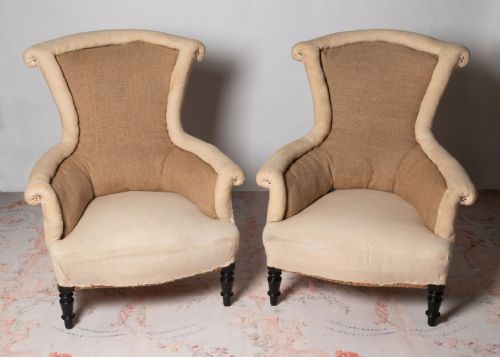
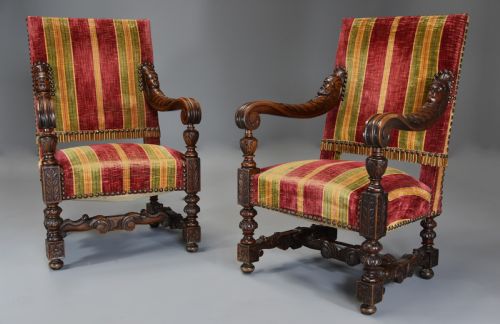


French High Back Armchair
When you want a french high back armchair, you are looking for commanding seating that brings distinct continental character into a room.
French High Back Armchair
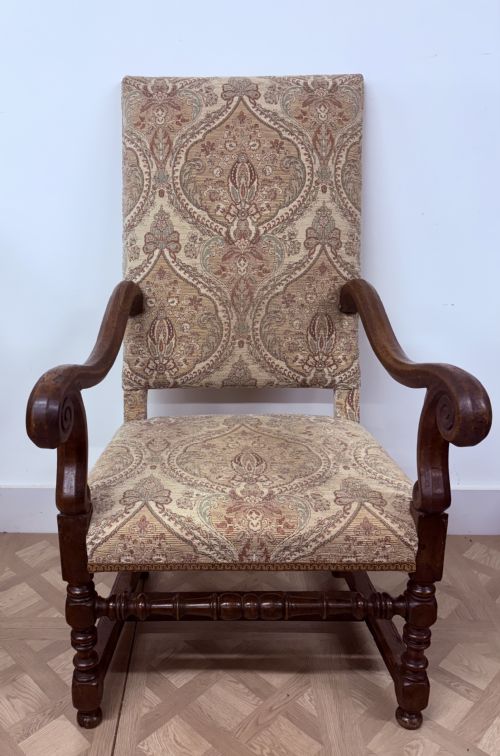
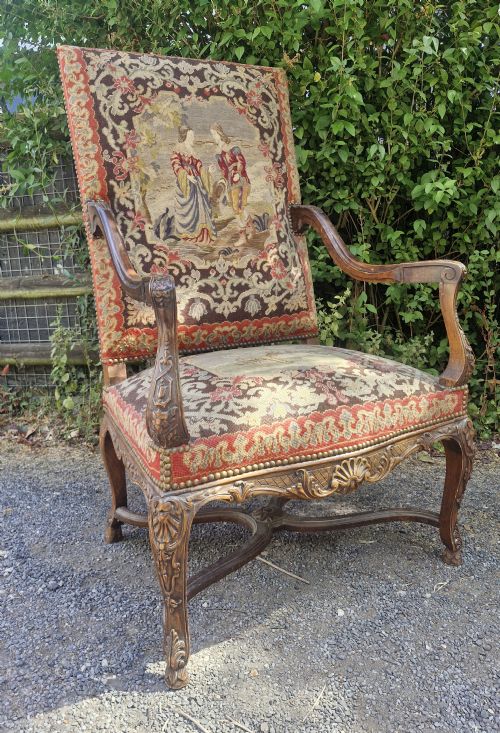
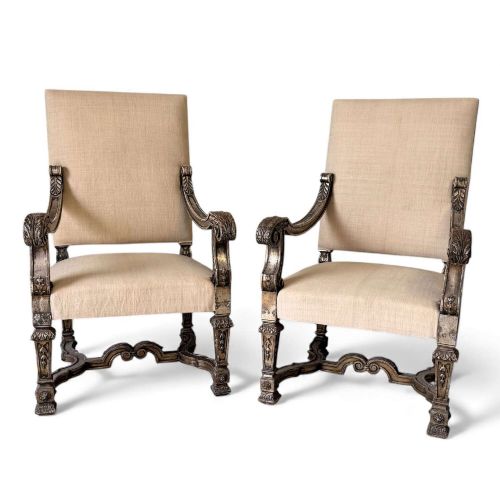
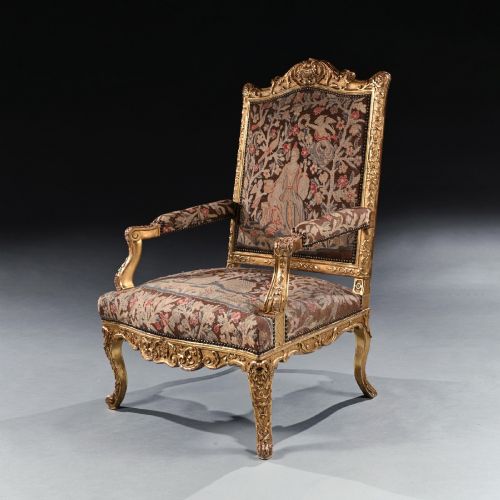
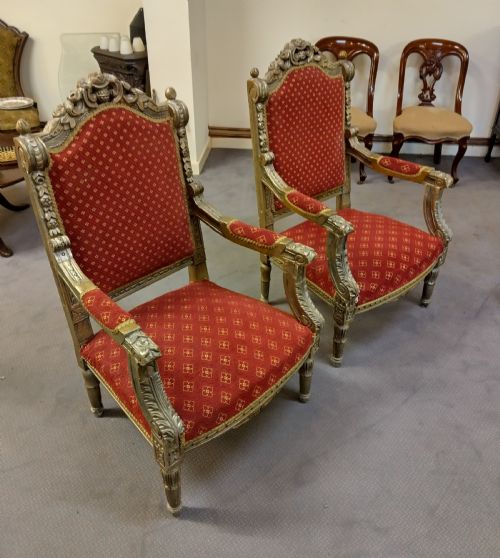
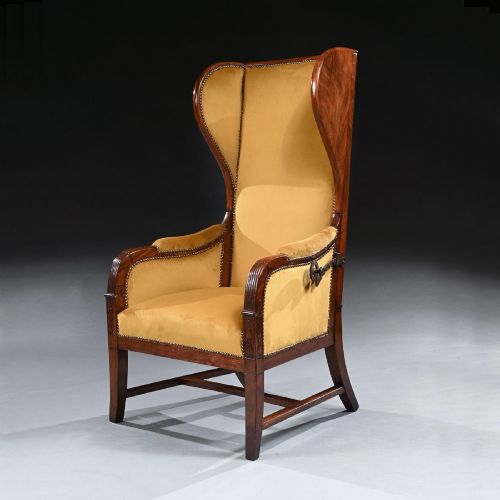
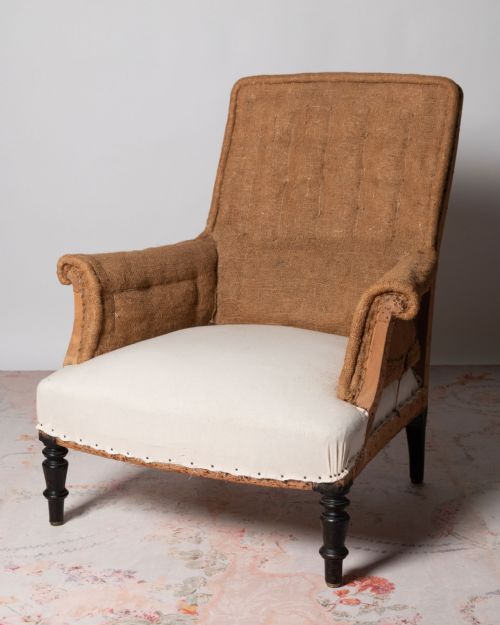
A french high back armchair is a substantial seating form designed to provide head support and a commanding silhouette in a salon or parlour. Buyers seeking this phrase encounter varied regional expressions, from nineteenth-century walnut fauteuils to earlier seventeenth-century carved walnut caquetoire chairs and stately throne armchairs.
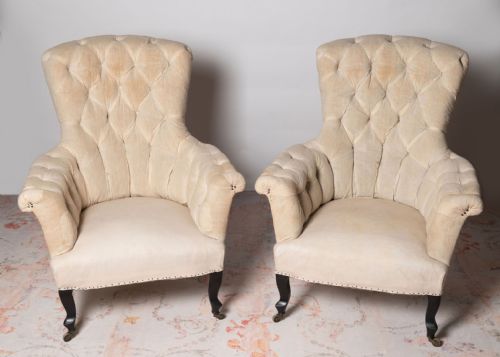
The selection ranges across distinct periods, spanning seventeenth-century walnut examples to nineteenth-century interpretations in the Baroque, Regence, and Napoleon III styles. Many pieces emerge as pairs, often featuring tall upholstered backs and carved wooden frames reflecting French chateau or provincial traditions.
Materials and Construction
Frames rely principally on solid timber, with walnut and beech appearing alongside giltwood and mahogany. Skilled artisans shaped these woods using traditional joinery, applying detailed hand-carved ornamentation to the crest rails, arms, and legs.
Upholstery forms an integral part of the construction, utilising fabrics such as needlework, tapestry, leather, and silk texturing. Brass elements and gilt finishes complete the decoration on formal revival pieces.
Some seventeenth-century caquetoire chairs were built with narrow seats specifically to accommodate the wide farthingale skirts worn by fashionable women of the era.
Craftsmanship and Proportion
Quality rests in the crispness and depth of the frame carvings, where deep hand-chiseled detail outclasses shallow mechanical shaping. The integration between the wooden structure and the upholstered back determines the overall structural integrity.
Proportion and wood selection set finer pieces apart, particularly where figured walnut or well-preserved original giltwood retains its intended visual weight. The condition and execution of period needlework or tapestry upholstery further separate standard seating from exceptional examples.
Louis Majorelle
The French High Back Armchair Glossary
- Fauteuil
- An open-armed upholstered armchair with exposed wooden framing, typical of French seating design. These chairs combine formal elegance with comfortable proportions.
- Caquetoire
- A narrow sixteenth or seventeenth-century conversation chair featuring a high, slender back and a trapezoidal seat. This form allows the sitter to converse easily while seated.
- Os De Mouton
- A style of curved furniture leg resembling sheep bone, common in late seventeenth-century seating. This distinctive scrolling joinery provides both strength and ornamental flair.
- Giltwood
- Timber coated with a thin layer of gold leaf or gilt finish for a decorative metallic sheen. It frequently appears on Baroque and Regence revival armchairs.
- Regence
- A transitional French design style bridging the heavy Baroque and lighter Rococo periods. Characterised by restrained symmetry and flowing carved details.
French High Back Armchair: Frequently Asked Questions
How do I identify a true period french high back armchair?
Examine the timber construction, joinery methods, and the style of hand-carving on the frame to gauge authenticity. Period pieces display tool marks and construction details consistent with their stated centuries rather than modern assembly.
Compare the upholstery style and framing against known regional traditions such as provincial walnut or giltwood chateau designs. Consulting the specific period markers helps differentiate eighteenth-century work from later nineteenth-century revivals.
Where should I place a large high back armchair?
These commanding chairs suit generous drawing rooms, libraries, or master bedrooms where their height will not overwhelm the surrounding furniture. Positioning one as a focal point near a fireplace or reading corner makes best use of the supportive back.
Ensure there is sufficient clearance around the carved arms and high crest for the piece to breathe within the room. Pairing them together creates a balanced conversational grouping in larger spaces.
How should I care for antique upholstery?
Protect delicate textiles like needlework, tapestry, and silk from direct sunlight to prevent fading and fibre degradation over time. Gentle, regular vacuuming with a low-suction attachment removes dust without damaging the weave.
Address any structural or fabric wear promptly by consulting a specialist restorer familiar with historic textiles. Avoid harsh chemical cleaners on leather and fabric surfaces.
What is the difference between Baroque and Napoleon III styles?
Baroque styles feature dramatic, heavy carvings, imposing proportions, and rich ornamentation designed to project grandeur and power. The forms are assertive and deeply rooted in seventeenth and eighteenth-century court aesthetics.
Napoleon III design, by contrast, draws eclectically from earlier French periods during the nineteenth century, often introducing buttoned upholstery and curved, comfortable forms. It balances historical revival motifs with nineteenth-century comfort.