




French Hanging Cabinet
A french hanging cabinet brings continental wall storage into a room, offering compact display or secure enclosure for small objects.
French Hanging Cabinet
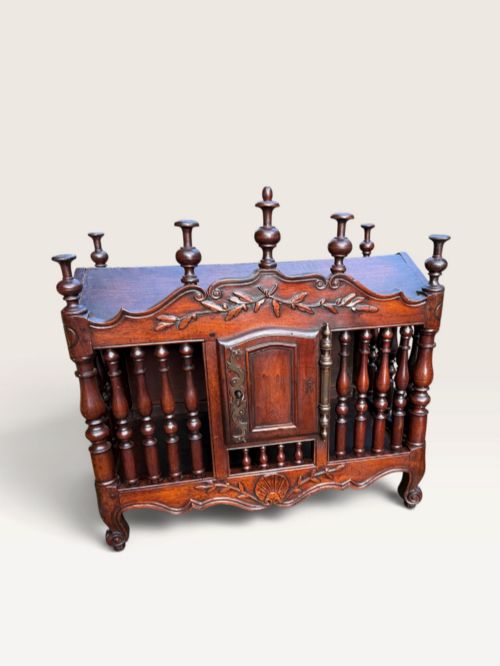
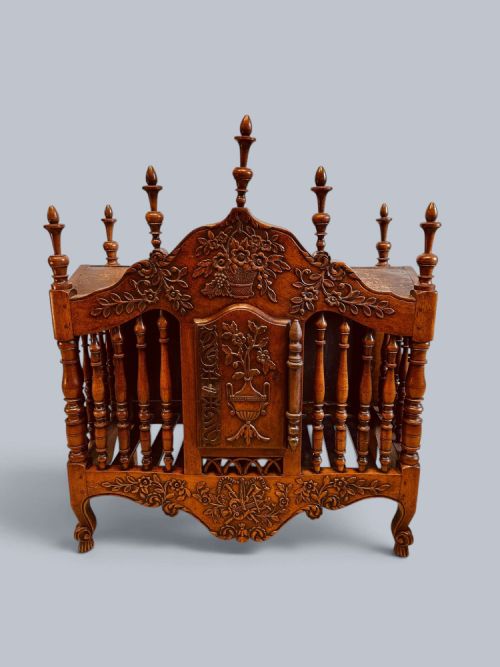
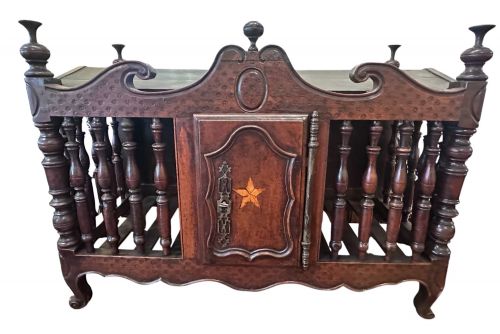
A french hanging cabinet encompasses wall-mounted storage forms ranging from rustic fruitwood panetiere bread cages to grand rococo revival painted and gilt wall étagères. Buyers searching for a french hanging cabinet will encounter wall cabinets, display cabinets, corner cupboards, and vitreens dating from the seventeenth century through to the nineteen-twenties. Regional expressions draw upon styles such as french provincial, french country, and french chateau, alongside occasional Victorian and Gothic revival interpretations.
The material palette of a french hanging cabinet spans solid oak, walnut, fruitwood, and rosewood, frequently enhanced by painted wood, giltwood, or brass details. Many examples utilise glass panels in doors or sides to create display cabinets, while others provide enclosed storage behind timber doors. Scale varies considerably, from small armoires and compact alcove cupboards to generously proportioned corner cupboards and carved wall display cases.
Construction and materials
Makers constructed a french hanging cabinet primarily using timber frames of oak, walnut, fruitwood, and rosewood, joined to support weight when mounted upon a wall. Carved walnut and fruitwood examples often feature turned finials, shaped shelves, and detailed relief work executed directly into the solid wood.
Surface finishes include painted wood, ormolu mounts, and giltwood embellishments, alongside brass hardware such as hinges and latches. Glass finds regular application for mirrored backs and cabinet doors, while specialised regional forms like the panetiere utilise turned spindles to form airy enclosures.
French Hanging Cabinet Retail Price Guide 2026
Typical asking prices for french hanging cabinet among the pieces listed under this phrase on Sellingantiques today, from the lower quarter to the upper quarter. They describe what is for sale here now, not the wider market.
Bread cages originally relied on turned spindles to let fresh country air circulate around loaves while keeping farmhouse cats at bay.
Evaluating quality and execution
Quality in a french hanging cabinet is determined by the selection of timber, the depth and crispness of carved detail, and the integrity of structural joinery. Finer pieces display carefully chosen fruitwood or walnut grains, harmonious proportions, and balanced integration of decorative elements like giltwood or brass ormolu.
The refinement of surface finishes - whether aged paint, polished rosewood, or carved relief - distinguishes standard regional utility pieces from elaborate revival or chateau commissions. Original hardware, intact glass panels, and well-fitted shaped shelves further separate superior examples from more basic workshop output.
Town and Emanuel
The French Hanging Cabinet Glossary
- Panetiere
- A traditional wooden bread cage used in rural France to store loaves away from rodents. These wall-mounted cupboards typically feature turned spindles and carved panels.
- Étagère
- An open piece of furniture with shelves for displaying small objects. Wall-mounted versions provide decorative tiered storage.
- Vitreen
- A glazed display cabinet designed to show off porcelain or curiosities. The glass front and sides protect contents while permitting all-round visibility.
- Ormolu
- Gilt bronze mounted onto furniture as a decorative trim. This technique adds metallic highlights to wood surfaces.
- Barley twist
- A type of turning shaped like a spiral rope. It appears frequently on seventeenth and nineteenth-century furniture supports.
French Hanging Cabinet: Frequently Asked Questions
How were french hanging cabinets used historically?
These wall-mounted units served practical household storage needs, from holding bread in rural kitchens to displaying valued porcelain in reception rooms.
Enclosed cupboards kept contents secure and clean, while open shelves and glazed cases allowed owners to showcase decorative objects.
Where should I hang a wall cabinet?
Select a wall with sufficient structural support to bear the weight of solid timber furniture, particularly when loaded with glass or ceramics.
Position the cabinet at eye level in spaces like kitchens, dining rooms, or hallways to ensure both comfortable access and visual balance.
How do I distinguish regional styles?
Provincial and country pieces generally favour local timbers like fruitwood or oak with simpler rustic construction, reflecting everyday rural use.
Chateau and revival pieces incorporate ornate carving, giltwood, painted surfaces, and refined details intended for formal interior settings.
What is the difference between an armoire and a vitreen?
An armoire is traditionally a wardrobe or tall cupboard with solid wooden doors designed primarily for enclosed storage.
A vitreen incorporates glass doors and panels specifically to display items placed within the interior.